Minnesota DFL rebuffs Pam Bondi demand for voter rolls, tells feds to 'f**k off'
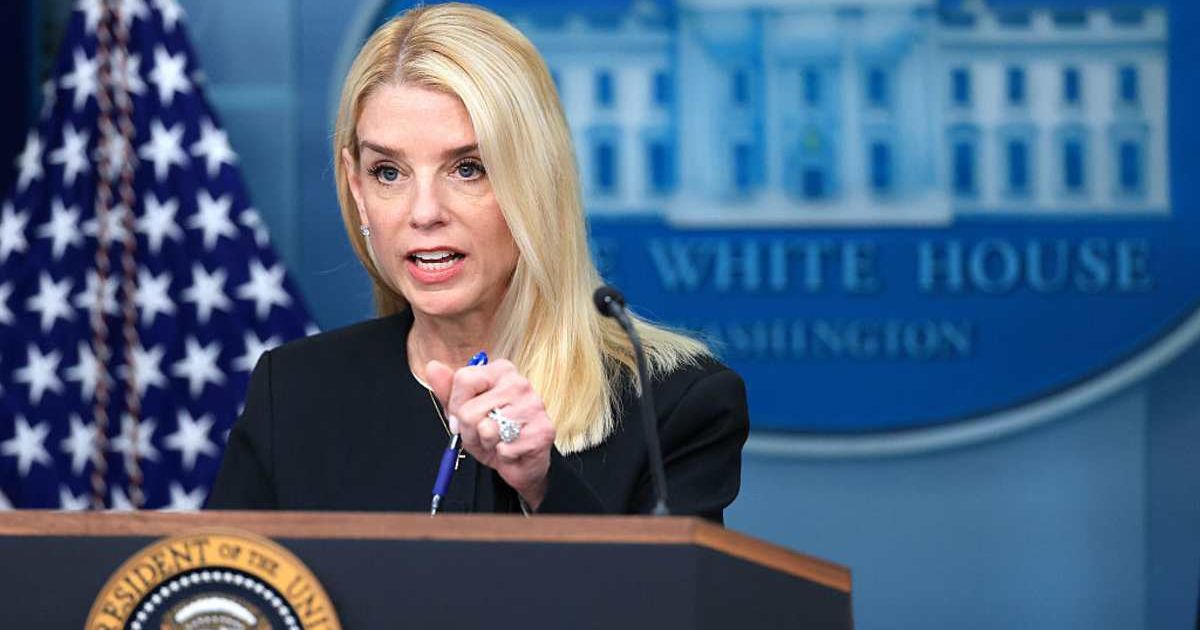
MINNEAPOLIS, MINNESOTA: The Minnesota Democratic-Farmer-Labor Party (DFL) issued a sharp rebuke to Attorney General Pam Bondi after she demanded that the state hand over voter registration and public assistance data to federal authorities. In a blunt social media post, the party made clear it would not comply, signaling an escalating standoff between Minnesota officials and the federal government.
The dispute unfolded as tensions in Minneapolis remained high following recent immigration enforcement actions and the fatal shooting of Alex Pretti by a federal agent. Against that backdrop, state leaders framed Bondi’s request as both politically motivated and legally untenable.
DFL rejects federal push for voter and benefits data
The DFL response came after Bondi sent a multi-page letter to Governor Tim Walz urging Minnesota to grant federal agencies access to voter rolls and public assistance records. She also called on the state to roll back sanctuary-style policies and fully cooperate with Immigration and Customs Enforcement, including providing access to local jails and honoring detention requests.

In a statement shared by the party, DFL Chair Richard Carlbom accused the Trump administration and Bondi of attempting to pressure Minnesota into surrendering sensitive data. He said the demand amounted to an effort to extract voter information under the threat of intensified federal action, adding that the party’s answer was unequivocal.
Bondi argued in her letter that sharing voter registration data was necessary to ensure compliance with federal law. She further requested access to Medicaid and Supplemental Nutrition Assistance Program records, citing concerns about fraud and public safety. Minnesota officials, however, rejected the premise outright.
Minnesota secretary of state says request violates the law
🚨JUST IN: Minnesota Sec. of State Steve Simon just told Pam Bondi: No.
— Brian Allen (@allenanalysis) January 25, 2026
DOJ demanded PRIVATE voter data on millions of Americans, including Social Security + driver’s license info, with no claim that Minnesota did anything wrong.
Minnesota offered only what’s already public.… https://t.co/yHlEsZtzkM
Secretary of State Steve Simon formally denied Bondi’s request, stating that Minnesota would not turn over private voter data. “The answer to Attorney General Bondi’s request is no,” Simon said in a written statement.
Simon warned that the federal demand sought private information on millions of Americans, including Social Security and driver’s license details, without any allegation that Minnesota had violated election law. He said complying would breach both state and federal privacy protections. Minnesota, he added, was willing to provide only information that is already public, a position consistent with long-standing state practice.
According to Simon, the request appeared designed to force cooperation rather than address any documented wrongdoing, a claim that further hardened opposition among state leaders.
Alex Pretti shooting intensifies state-federal tensions
The confrontation over data access followed the fatal shooting of Alex Pretti, a 37-year-old registered nurse at the Minneapolis VA hospital, during a federal immigration enforcement operation. The Department of Homeland Security said the agent involved acted in self-defense while attempting to disarm Pretti.
Alex Jeffrey Pretti. 37 years old.
— Fred Tee 🇺🇲 (@TencicFred) January 24, 2026
Registered nurse, worked at the VA.
Peaceful protestor, murdered in the street by government agents.
No judge, no jury, just death by fascism.
Rest in peace, bro. pic.twitter.com/i8ghXTW71e
Governor Tim Walz publicly disputed that account after reviewing video footage of the incident. Walz said the recordings showed Pretti holding a cellphone, not a weapon, when shots were fired, and described the federal explanation as implausible.
With Minneapolis already on edge, Minnesota leaders linked Bondi’s demands to a broader pattern of aggressive federal tactics. The DFL and state officials framed their refusal as a defense of voter privacy, state sovereignty, and civil liberties, signaling that the clash with Washington is unlikely to ease anytime soon.