Nancy Mace rips trans athlete’s lawyer for refusing to define key term at SCOTUS hearing
If the ACLU can’t even define what sex is, they have no credibility lecturing anyone about sex discrimination, which is the whole basis of their argument.🤦♀️ https://t.co/RakKZWw1pw
— Rep. Nancy Mace (@RepNancyMace) January 15, 2026
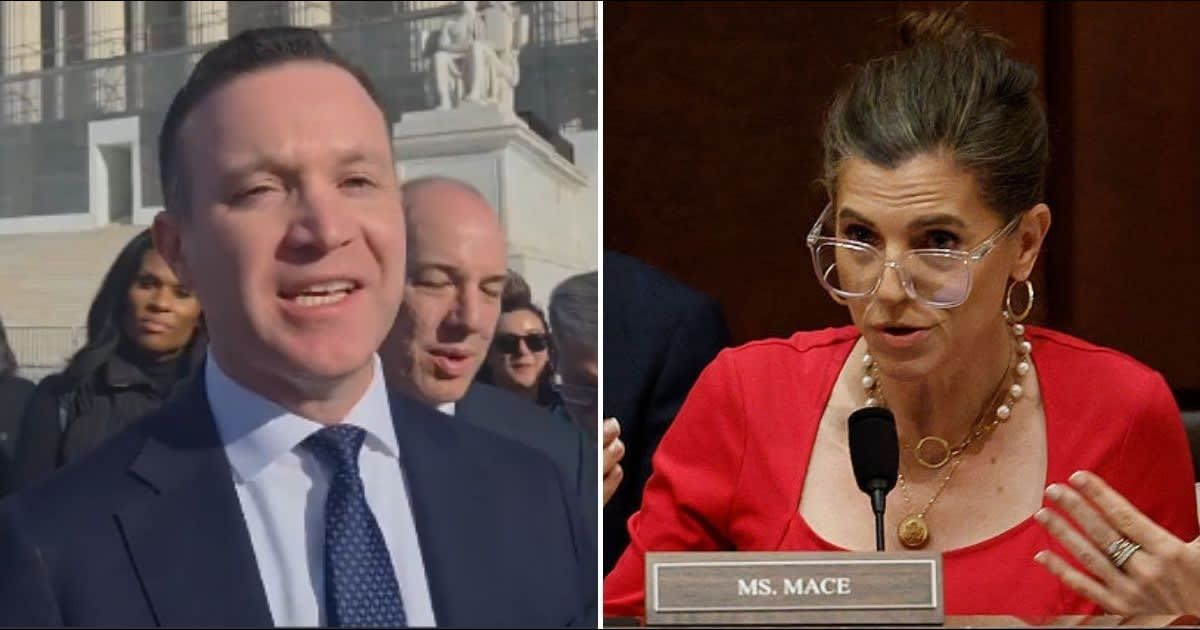
WASHINGTON, DC: Rep Nancy Mace of South Carolina criticized American Civil Liberties Union attorney Joshua Block after he declined to define “s*x” during a Supreme Court hearing on transgender athletes competing in women’s sports.
The exchange occurred as the justices heard arguments in a case involving Becky Pepper-Jackson, a transgender athlete from West Virginia. Block urged the court not to focus on defining it under Title IX, a stance that quickly drew backlash from Republican lawmakers and conservative legal advocates.
Nancy Mace shares video of Joshua Block's refusal
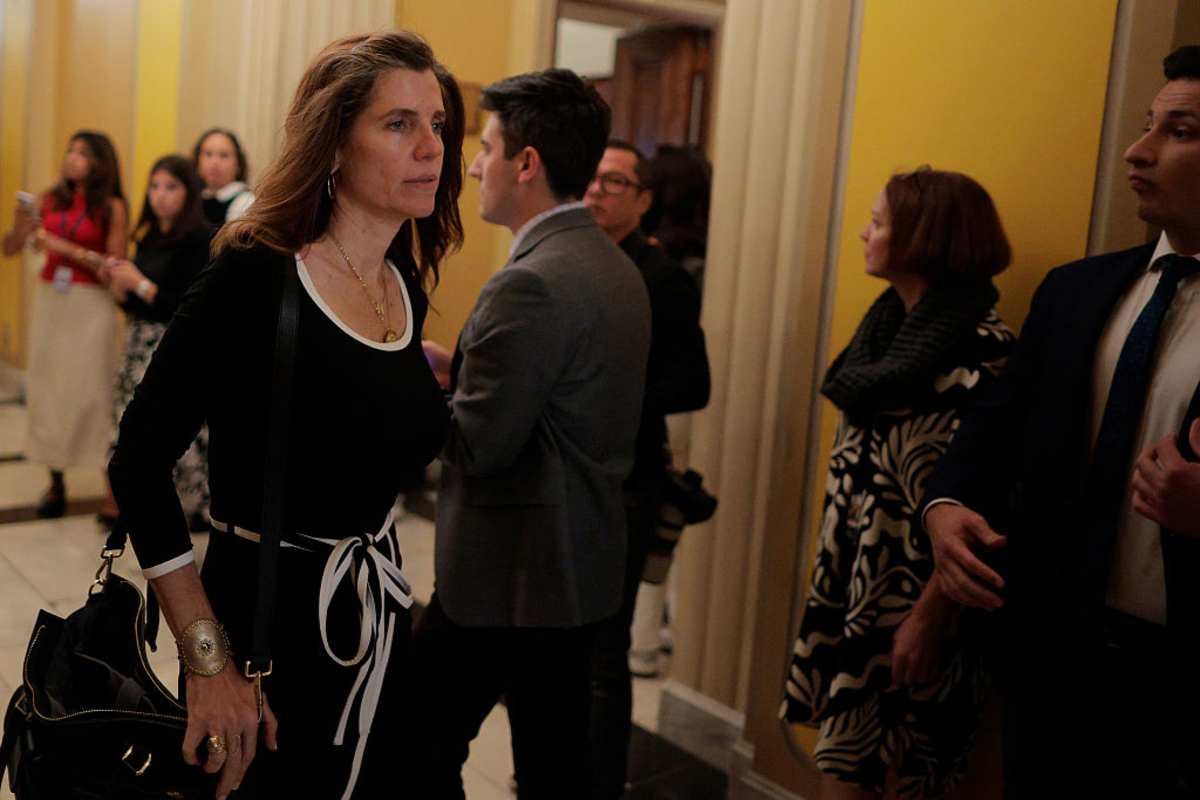
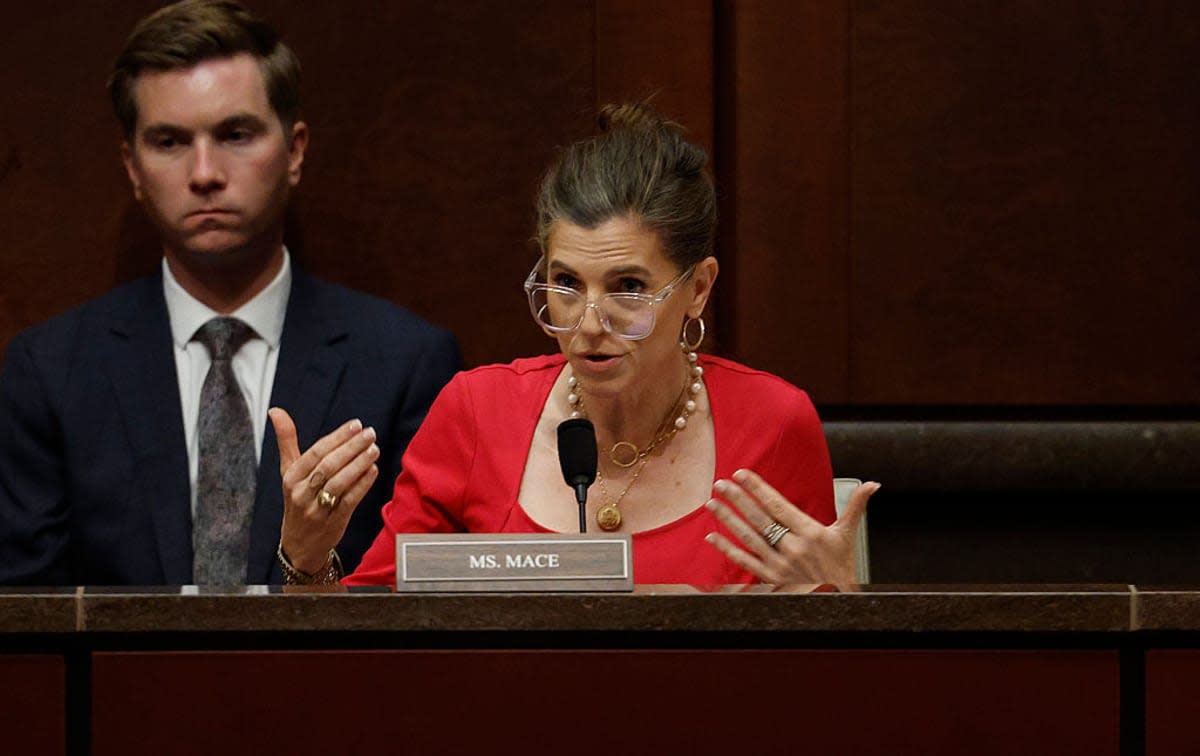
Mace shared video footage of Block’s remarks on X, accusing the ACLU of undermining the foundation of sex-based protections in law.
“If the ACLU can’t even define what sex is, they have no credibility lecturing anyone about sex discrimination, which is the whole basis of their argument,” Mace wrote alongside the clip.
During the hearing, Block told the justices that Title IX does not require an exact definition of sex. While he said the court could assume the case involved what the state calls biological sex, he stopped short of offering his own definition.
“I don't think the purpose of Title IX is to have an accurate definition of sex,” Block said, adding that for the purposes of the case, the court could accept the state’s framing without further clarification.
John Bursch calls Joshua Block’s stance ‘completely bizarre’
The refusal drew criticism beyond Capitol Hill. John Bursch of Alliance Defending Freedom, which represents female athletes and the state of West Virginia, called Block’s position “completely bizarre.”
“I don't know how you can decide a case interpreting sex under Title IX and under the Equal Protection Clause by not defining sex,” Bursch said.
He argued that the meaning of sex under Title IX was clear at the time the law was passed. According to Bursch, the statute was written around biological distinctions and explicitly refers to both sexes, making the request to avoid defining the term central to the case.
Bursch added that the ACLU’s approach suggested weakness in its legal argument, saying it “speaks volumes” that the group urged the court not to define sex at all.
Joshua Block says placing transgender athletes may harm other athletes

Earlier in the hearing, Block downplayed the impact of Pepper-Jackson competing on a girls’ cross-country team, noting that the sport does not typically cut athletes. Justice Neil Gorsuch pushed back, pointing out that many sports do make cuts and that the court’s ruling would have broader consequences.
Block responded that female athletes frequently lose team spots to other girls who perform better. He acknowledged that it can be “unfortunate” when a transgender athlete takes a place from a female athlete but argued that such outcomes are common in competitive sports.
“No one likes to lose,” Block said, adding that the issue was whether participation created an unfair advantage rather than disappointment inherent in competition.
At another point, Block said placing transgender athletes like Pepper-Jackson on boys’ teams could be harmful to those athletes, reinforcing his argument that participation decisions can negatively affect multiple parties.