NASA defends all-male Artemis III crew after backlash over lack of women astronauts
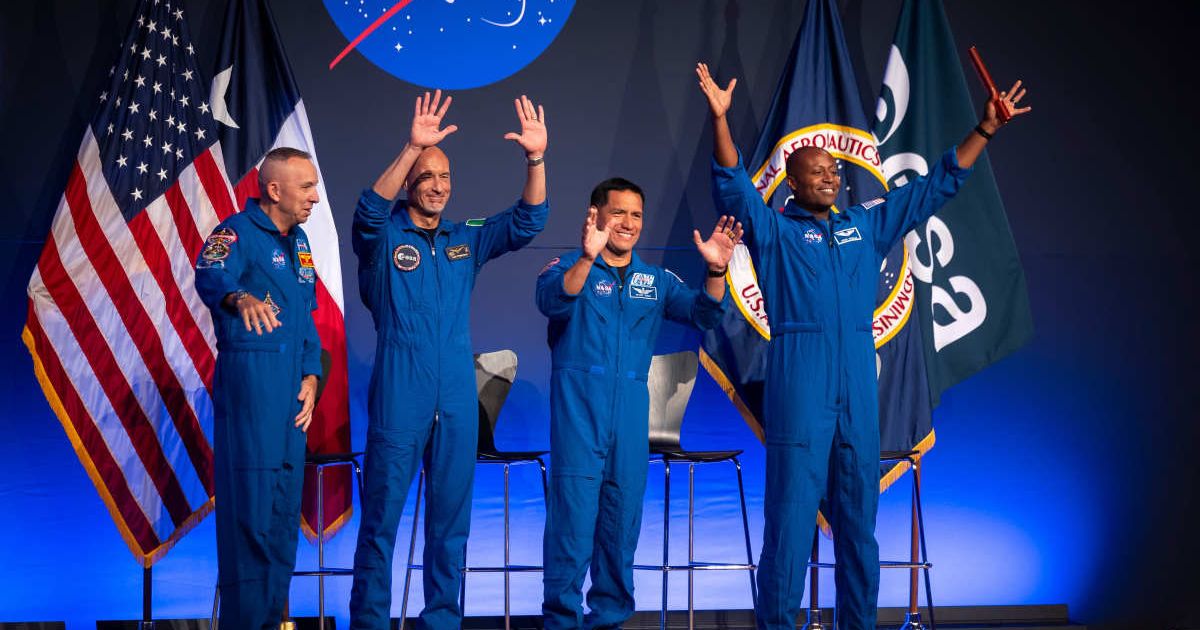
WASHINGTON, DC: NASA Administrator Jared Isaacman is pushing back against criticism surrounding the agency’s newly announced Artemis III crew after space enthusiasts and advocates questioned why no women were selected for the high-profile lunar test mission.
The controversy erupted shortly after NASA unveiled the four astronauts who will fly Artemis III, a mission designed to test next-generation lunar landing systems ahead of humanity’s return to the moon.
NASA says Artemis III crew assignments were based on expertise and mission needs
Addressing the backlash, Isaacman stressed that astronaut selections are determined by mission requirements rather than political considerations.
Starting with some energy, and my inability to write brief updates, I am just extremely proud of the NASA crew, our industry, and our international partners. We are getting into a rhythm here at NASA. Earlier this year, setbacks put the Artemis II rocket back in the VAB for…
— NASA Administrator Jared Isaacman (@NASAAdmin) June 10, 2026
“I have seen reactions ranging from disappointment to outrage,” he said in a statement.
Isaacman said that some astronauts may not have been selected for the Artemis III flight because they are already on tap for expeditions to the International Space Station or because their training and skill sets make them more suitable for future Artemis missions, during which astronauts are expected to land on the moon.
“The Astronaut Office assigns the crew that gives the mission the best chance of meeting its objectives, taking into account many factors, including the background and expertise of the astronauts, such as test pilot experience, development work on specific programs, and availability,” he said.
Critics argued that the all-male lineup appeared at odds with NASA’s long-standing promise that the Artemis program would eventually land the first woman and first person of color on the moon.
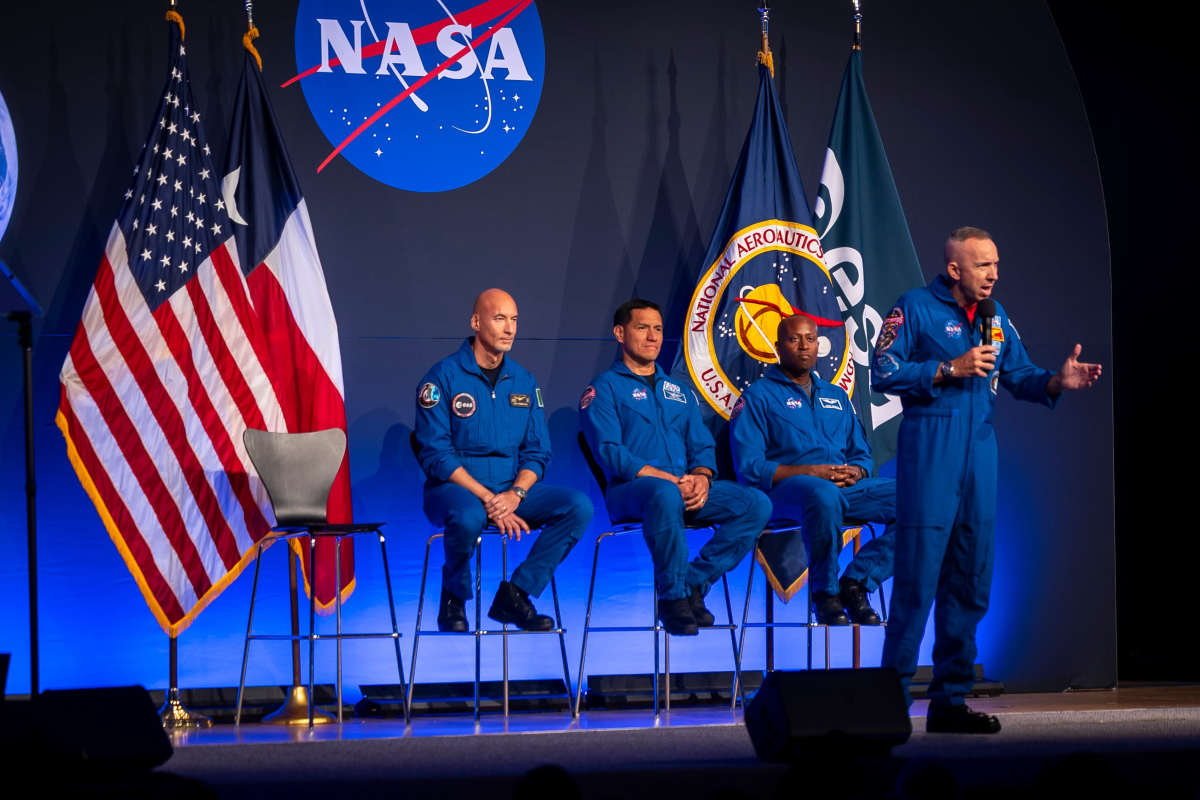
According to Isaacman, crew assignments are made by the Astronaut Office after evaluating a range of factors, including technical expertise, previous flight experience, specialized training and overall mission readiness.
"I have personally been to space twice with 50 percent female crews. My closest advisors and some of the smartest engineers I know are women…In a world with so much controversy, I hope this can be a moment where we celebrate the astronauts selected, respect the integrity of the process, and recognize the extraordinary depth of talent across the entire corps," he added.
Who are the astronauts selected for NASA's Artemis III mission?
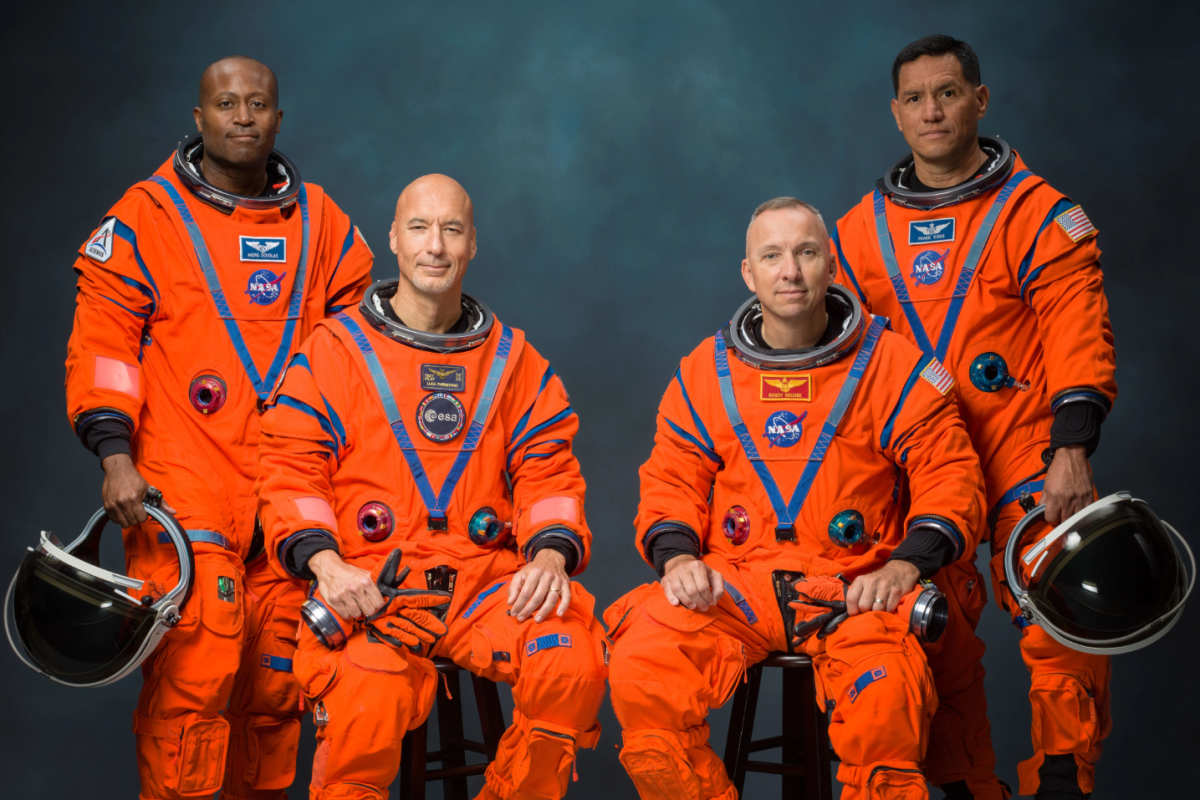
The crew members unveiled Tuesday are NASA astronauts Randy Bresnik, Frank Rubio and Andre Douglas and European Space Agency astronaut Luca Parmitano.
Their mission, slated to launch no earlier than summer 2027, aims to test two commercially built moon landers that could transport astronauts to the lunar surface on the Artemis IV mission in 2028. The tests are set to take place in Earth orbit, where the Artemis III crew will spend about two weeks.
SpaceX and Blue Origin are each building one of those landers, and the Artemis III mission is designed to demonstrate rendezvous and docking operations between NASA’s own Orion capsule and the new vehicles.
Col. Frank Rubio, who completed the longest single spaceflight by a US astronaut, and Andre Douglas are set to serve as mission specialists aboard the Artemis III mission.
Luca Parmitano will pilot the mission and Marine Corps Col. Randy Bresnik will command the mission, with Bob Hines serving as a backup crew member.
"The Artemis III astronauts are experienced, qualified, and deserve to be celebrated for the mission they have been assigned, just as the crews that follow will be celebrated when their time comes," Isaacman wrote in his Wednesday post.
Introducing Artemis III.
— NASA (@NASA) June 9, 2026
Four astronauts. Three launches. Two dockings. One splashdown.
In 2027, the Artemis III mission will practice docking the Orion spacecraft with two lunar landers in low Earth orbit — the capability we need to return humanity to the Moon’s surface. pic.twitter.com/8uhMUxuuWX
Isaacman urged critics to focus on the accomplishments of the selected crew while recognizing that Artemis represents a long-term campaign rather than a single mission.