Oil prices surge as Trump vows to give Iran 'a beating' after attempted attack on US forces

Fox correspondent: "President Trump tells Fox News about Iran, 'We are going to beat the f**king s**t out of them.' He went on to say, 'We'll be hitting them hard. They're going to get a beating.'" pic.twitter.com/IPX0VgP9dj
— Aaron Rupar (@atrupar) July 29, 2026
WASHINGTON, DC: Global oil prices surged on Wednesday, July 29, after President Donald Trump threatened a forceful response to what he described as an attempted Iranian attack on US forces, raising fears of further escalation in the Middle East.
Brent crude rose 5.8% to $86.82 a barrel, while US West Texas Intermediate (WTI) crude gained 6.4% to $84.30 per barrel.
The geopolitical tensions also weighed on Wall Street, with Dow futures falling 330 points, or 0.6%. Futures tied to the S&P 500 and Nasdaq 100 each slipped about 0.1%.

Trump promises retaliation after Iranian strikes
Speaking to Fox News on Wednesday morning, Trump vowed to retaliate after US forces intercepted what he described as an Iranian missile attack.
"We are going to beat the f*****g s**t out of them," Trump said, adding, "We'll be hitting them hard. They're going to get a beating."
The president also said the United States coordinated with Iraqi authorities before launching joint US-Saudi strikes against Iran-backed Shiite groups in Iraq.
Calling the radical groups "a cancer on the world," Trump signaled that further military action against Iranian proxy groups remains a possibility.
Global energy supply routes under pressure
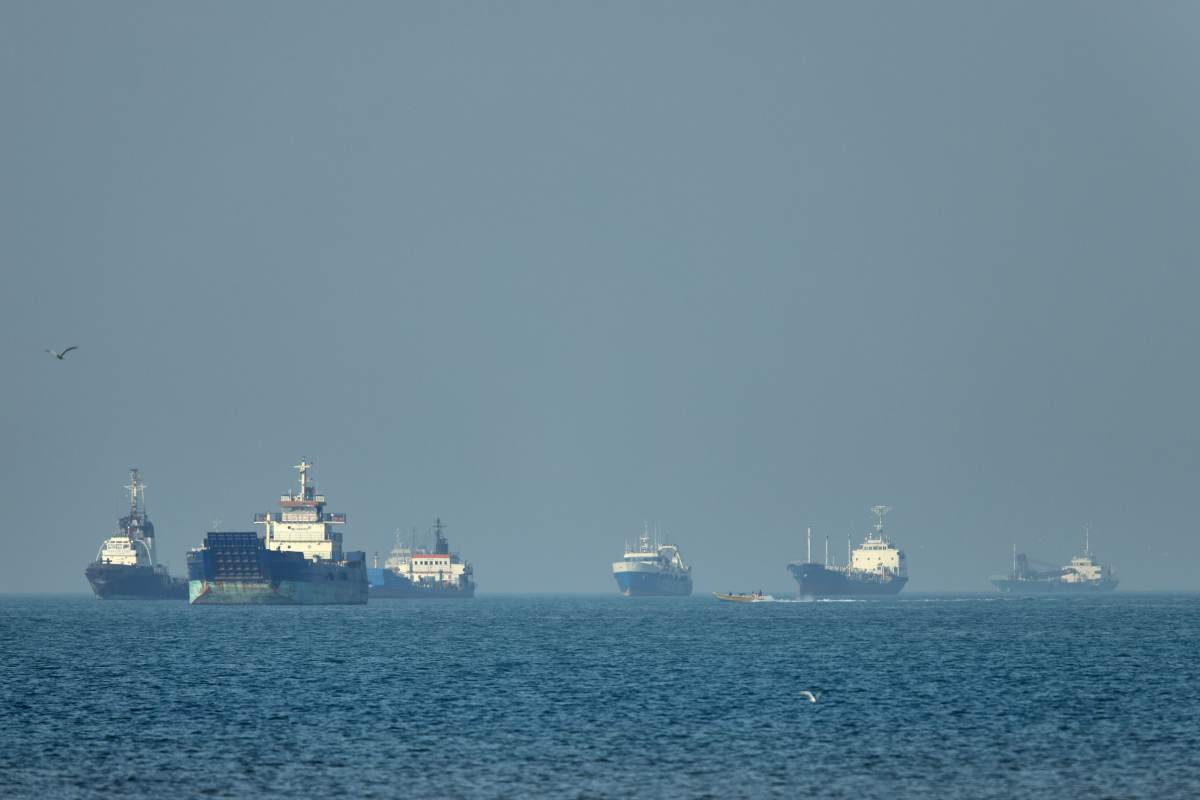
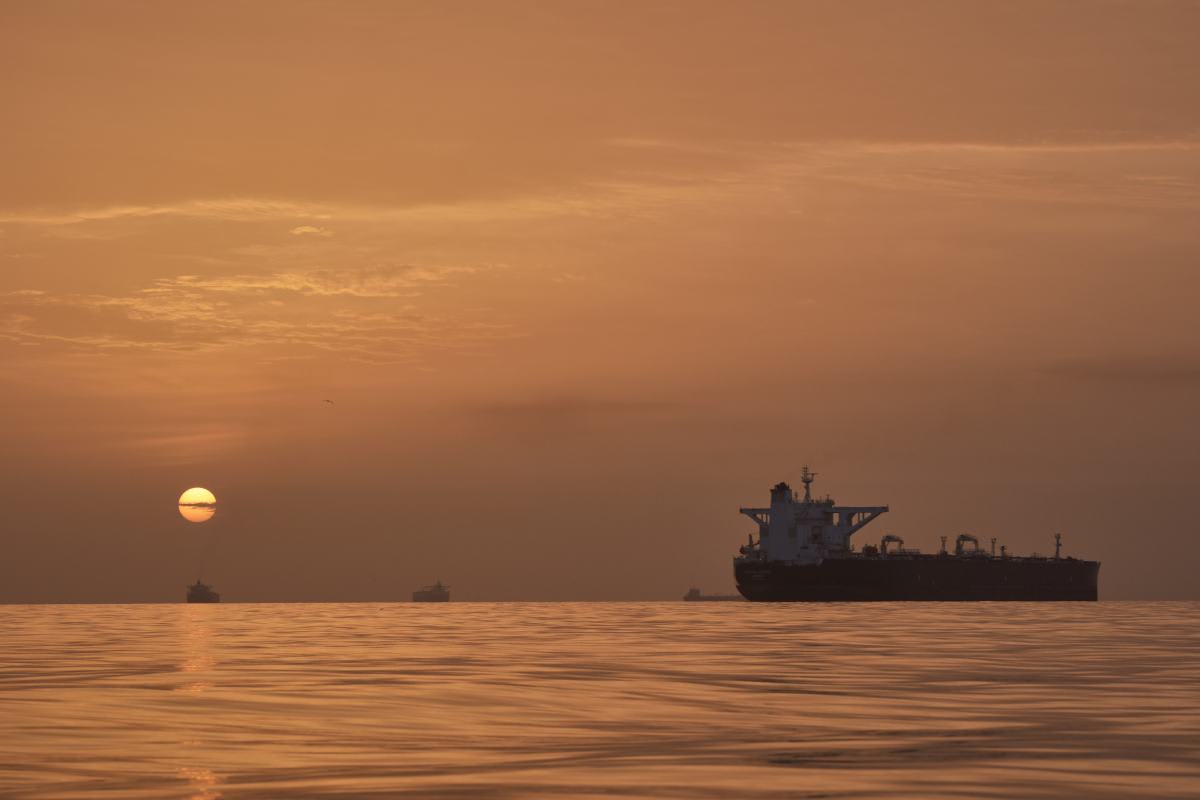
The latest escalation has added to concerns over disruptions to global energy supplies, particularly after Iran-backed Houthi rebels declared Saudi-bound shipping a target.
Shipping analysts say more oil tankers are avoiding the Red Sea by using alternative routes, including the Suez Canal and Egypt's Sidi Kerir terminal, where Saudi crude is transported via the SUMED pipeline before being shipped onward.
Houthi blockade disrupts maritime traffic
The Houthis announced a naval blockade of Saudi ports on July 20 and have since claimed responsibility for attacks on three Saudi oil tankers, including an unconfirmed strike on Tuesday.
According to maritime intelligence firm Windward, vessel traffic through the Bab el-Mandeb Strait has fallen by about 22% since the blockade was declared, dropping from roughly 48 daily transits to 37.
War-risk insurers have also begun excluding vessels with any recent Saudi port calls from Red Sea coverage.
Traffic rises, risks persist
— Kpler (@Kpler) July 29, 2026
Daily monitoring shows stronger transit volumes across the Strait of Hormuz and Bab el-Mandeb, with 12 and 41 confirmed crossings respectively on 28 July. Yet higher traffic should not be mistaken for lower risk. Hormuz routing remains concentrated… pic.twitter.com/fwUxZyUaf8
Traffic through the Strait of Hormuz also remains well below normal. Windward reported that no oil tankers crossed the strategic waterway in either direction on Monday.
Kpler, however, recorded 12 tanker transits on Tuesday, with most vessels traveling through the Iranian shipping corridor.
With military tensions rising and key shipping lanes under pressure, energy markets remain highly sensitive to any further escalation in the region.