Ousted Nvidia CEO Jensen Huang asked to testify before Congress over alleged China spy links
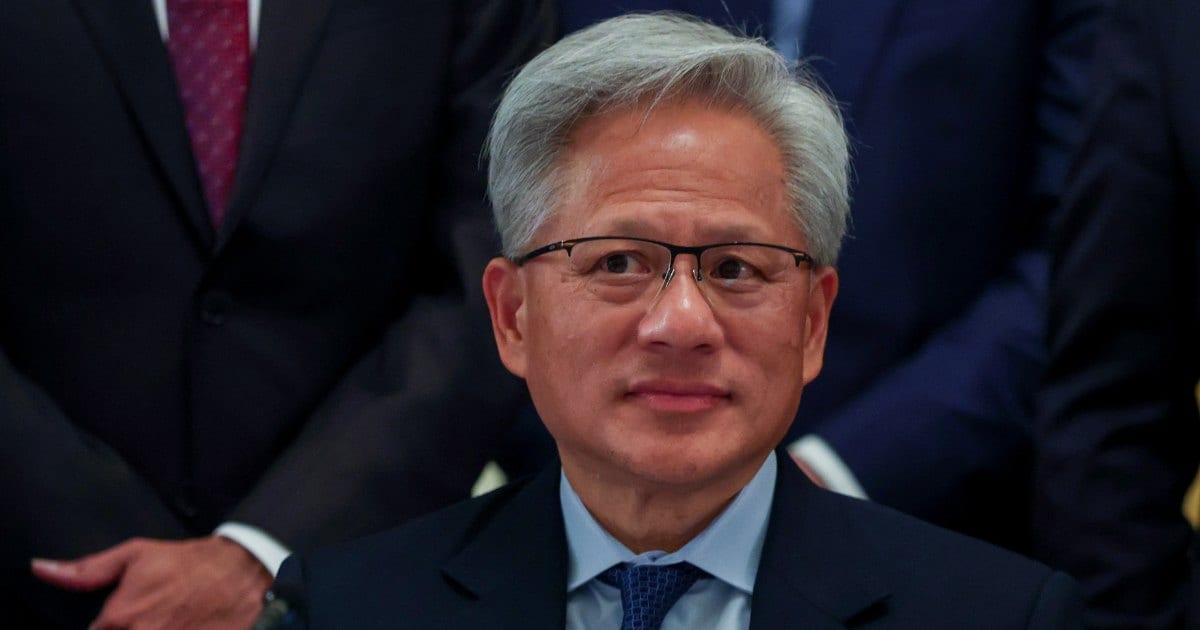
WASHINGTON, DC: Former Nvidia chief executive officer Jensen Huang has been asked to testify before Congress next month as US lawmakers investigate national security concerns surrounding the company’s China business and allegations involving a suspected Chinese intelligence asset.
Senator Tim Scott on Thursday, November 12, sent Huang a letter requesting his appearance before the Senate Banking Committee, while three House committees have separately sought a closed-door interview. Commerce Secretary Howard Lutnick has also been summoned to address questions about the export of advanced Nvidia chips to China.
Senate seeks testimony from Jensen Huang and Howard Lutnick over China chip exports
Scott announced the requests in a post on X (formerly Twitter), saying that the lawmakers needed answers about the protection of sensitive American technology. "Recent reports raise serious concerns about our national security and the protection of sensitive US technology," Scott wrote. "The American people deserve answers."
Recent reports raise serious concerns about our national security and the protection of sensitive U.S. technology. I am requesting that NVIDIA CEO Jensen Huang and Commerce Secretary Howard Lutnick testify before the Senate Banking Committee. The American people deserve answers.
— Senator Tim Scott (@SenatorTimScott) November 13, 2026
Scott asked Huang to appear voluntarily on December 3 but warned that the committee could issue a subpoena to compel his testimony. Separately, three House committees overseeing intelligence, foreign affairs and China-related issues sent Huang a letter seeking a closed-door interview on December 1.
Lutnick has also been asked to appear before the Senate Banking Committee in December. The commerce secretary is facing scrutiny after reports surfaced that officials in President Donald Trump’s administration had briefed US media that the Commerce Department chief stalled efforts to strengthen restrictions on advanced AI chip exports to China.
Senator Jim Banks, a Republican from Indiana, also called for Lutnick to testify before the committee as soon as possible, raising questions about how Nvidia chips continued to reach China despite what he described as Trump's instructions to stop such exports.
Banks said that "not only do I hope for Jensen Huang to come and testify, but I would like for Secretary Lutnick, asap, to come testify before the Senate Banking Committee," stating that lawmakers have "a lot of bipartisan questions" about how Nvidia continued to export chips to China, which he said defied "President Trump's orders for those exports to be stopped."
America’s most advanced technology should benefit Americans, not the Chinese military. This common-sense, America First policy is what my AI Overwatch Act is all about. Time we get it done in this year’s NDAA! https://t.co/96Hq95XjlK
— Jim Banks (@Jim_Banks) November 12, 2026
Banks added that lawmakers had been trying to restrict high-end chip exports to China and accused the Commerce Department of using loopholes that allowed some sales to continue. He also promoted his proposed AI Overwatch Act and other legislation intended to block the exports.
Spy allegations and Jensen Huang’s departure from Nvidia
The congressional requests followed reports about Huang’s alleged relationships, including an affair with Alice Huang, a former executive at Singapore-based firm Megaspeed who has been suspected of working as an intelligence asset for China. The New York Times reported the allegations, which China has rejected as a smear. Huang admitted last week to having been "unfaithful" to his wife after the initial reports emerged.

However, Attorney General Todd Blanche said that the Justice Department had not reached any conclusions about whether Alice had engaged in espionage for Beijing.
Huang, who had been Nvidia’s public face since 1993, resigned as CEO on Thursday. Chief Financial Officer Colette Kress will replace him on an interim basis as the company searches for a permanent successor.