Pam Bondi approval plunges nearly 50 points amid Epstein files backlash
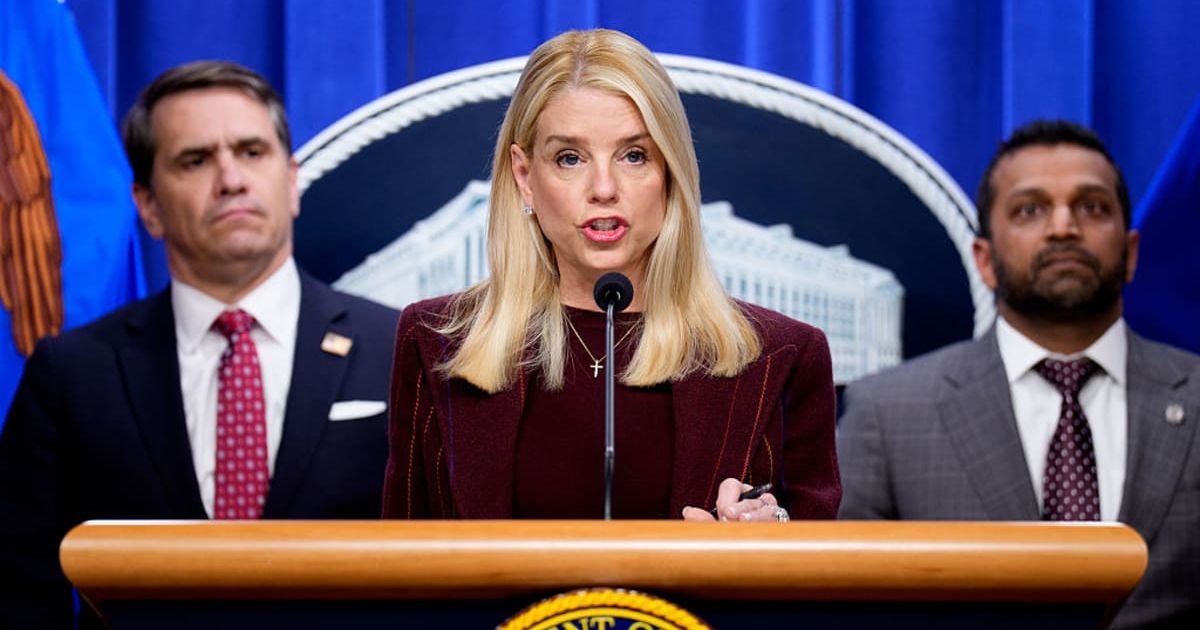
WASHINGTON, DC: Public opinion of Attorney General Pam Bondi has sharply deteriorated over the past year, with new polling showing her approval rating plunged by nearly 50 percentage points in just 10 months amid mounting backlash over the Justice Department’s handling of the Jeffrey Epstein files and other controversial Trump administration policies.
The findings marked a striking reversal for one of the administration’s most visible figures, as Bondi faced bipartisan criticism, legal scrutiny, and growing public distrust tied to transparency concerns and enforcement decisions.

Pam Bondi approval drops as Epstein files controversy intensifies
According to new polling from AtlasIntel, Pam Bondi’s popularity peaked in February, when she held a net positive approval rating of six percent. Since then, sentiment shifted sharply, with Americans registering a 41-point net negative view of the attorney general.
The poll surveyed 2,315 respondents and was conducted during the week ending Friday, December 19, coinciding with a statutory deadline for the Justice Department to release files related to convicted sex offender Jeffrey Epstein.
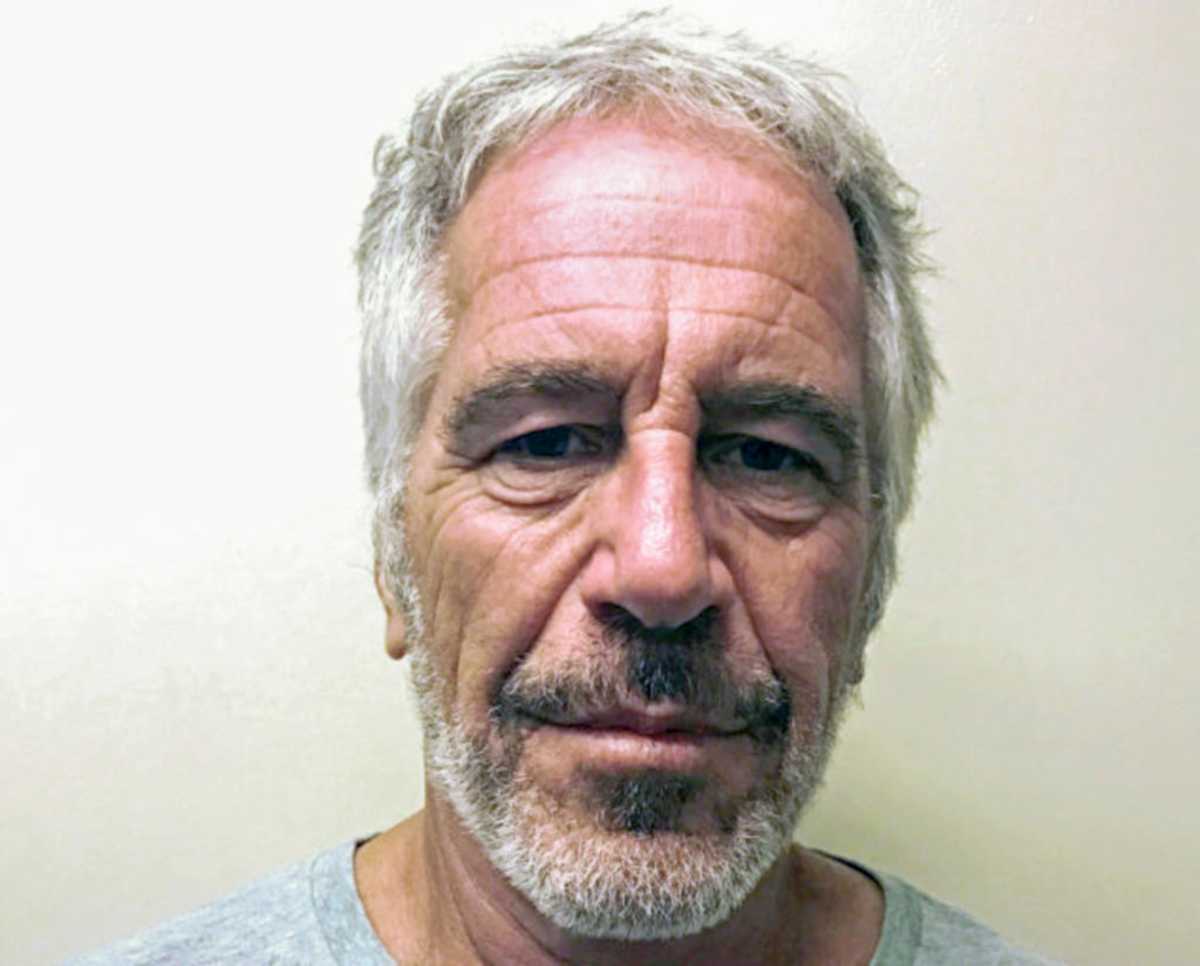
While the DOJ began releasing some Epstein-related materials, the rollout was marred by delays, heavy redactions, and controversy. Epstein survivors expressed anger over the extent of the redactions, arguing that key information remained concealed and that promised transparency had not materialized.
Further fueling suspicion, the department briefly removed and later restored a public file containing photographs of President Donald Trump. The episode prompted accusations of political interference, allegations the DOJ denied.
A bipartisan group of lawmakers later threatened contempt proceedings against Pam Bondi, arguing that the department failed to release hundreds of thousands of pages of Epstein-related records required under a law signed by Donald Trump in November.
Pam Bondi's role in Epstein disclosures draws scrutiny
As the nation’s top law enforcement official, Pam Bondi became closely associated with the administration’s approach to the Epstein case.

In February, she personally distributed binders of Epstein-related materials to conservative influencers at the White House. Months later, in July, her department downplayed expectations of further investigations into Epstein’s network, a move critics argued could limit renewed scrutiny of individuals linked to Epstein, including Trump.
Concerns deepened when the Bureau of Prisons quietly transferred Epstein associate Ghislaine Maxwell to a lower-security facility after she participated in an interview with a senior DOJ official who previously served as Trump’s personal lawyer.
The Trump administration denied any effort to protect political figures, maintaining that withheld materials were necessary to safeguard victims’ privacy and prevent further harm.
Broader controversies deepen Pam Bondi political fallout
Bondi’s declining public image was further shaped by controversies unrelated to the Epstein case.

In September, Trump publicly urged Bondi to pursue prosecutions against several political opponents, including former FBI Director James Comey and New York Attorney General Letitia James, an unusual intervention involving an agency traditionally insulated from political pressure. Legal actions followed, though both cases later encountered procedural setbacks.
That same month, Bondi faced criticism from civil liberties advocates after calling for expansive hate speech prosecutions targeting individuals who celebrated the assassination of conservative activist Charlie Kirk, despite longstanding constitutional protections for most speech.
Bondi and the administration also faced sustained scrutiny over immigration enforcement tactics. Critics accused Immigration and Customs Enforcement and Border Patrol agents of racial profiling during large-scale operations at locations such as Home Depot stores, claims the agencies denied.

The administration additionally battled legal challenges over deportation practices, including the case of Kilmar Abrego Garcia, a Salvadoran man with US citizen children whom officials acknowledged was wrongly deported despite a court order blocking his removal.