Pete Hegseth insists he saw no survivors after initial boat strike, cites 'fog of war'
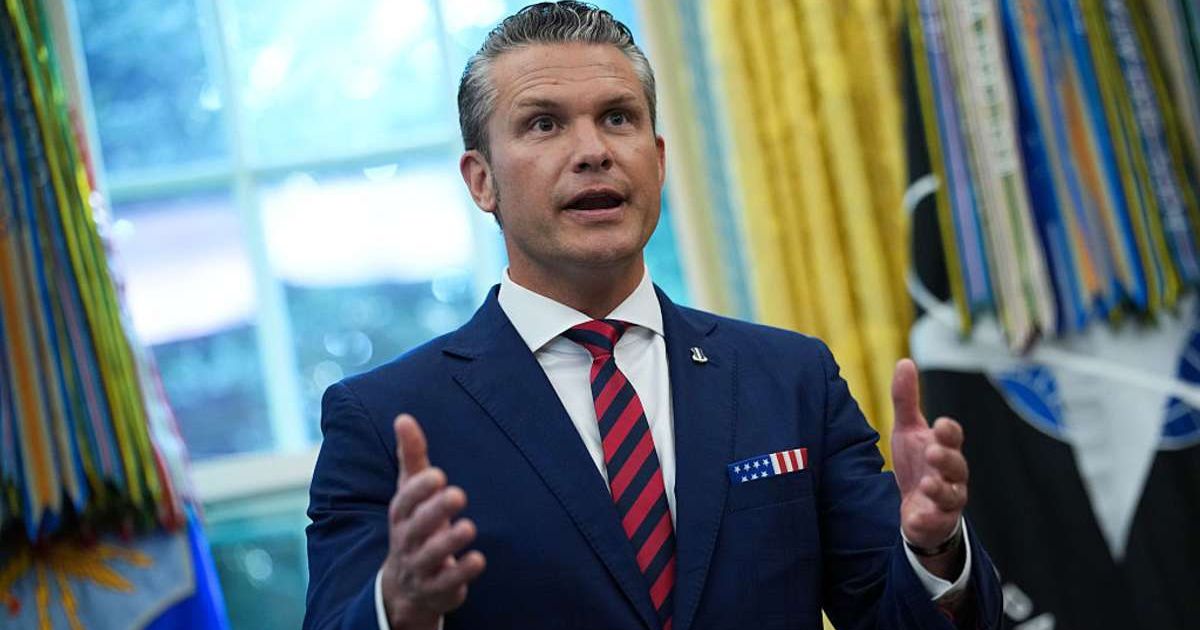
Reporter: So you didn't see any survivors after that first strike?
— RedWave Press (@RedWave_Press) December 2, 2025
Secretary Pete Hegseth: “I did not personally see survivors… The thing was on fire… This is called the fog of war. This is what you in the press don't understand. You sit in your air-conditioned offices or up… pic.twitter.com/rVIR11GddI
WASHINGTON, DC: Defense Secretary Pete Hegseth strongly denied personally seeing any survivors after the initial strike on a suspected d**g boat in September, dismissing the controversy surrounding the deadly follow-up attack as a result of the "fog of war."
During a tense exchange at a Cabinet meeting on Tuesday, December 2, Hegseth pushed back against reports that allege he ordered the death of survivors clinging to the wreckage.
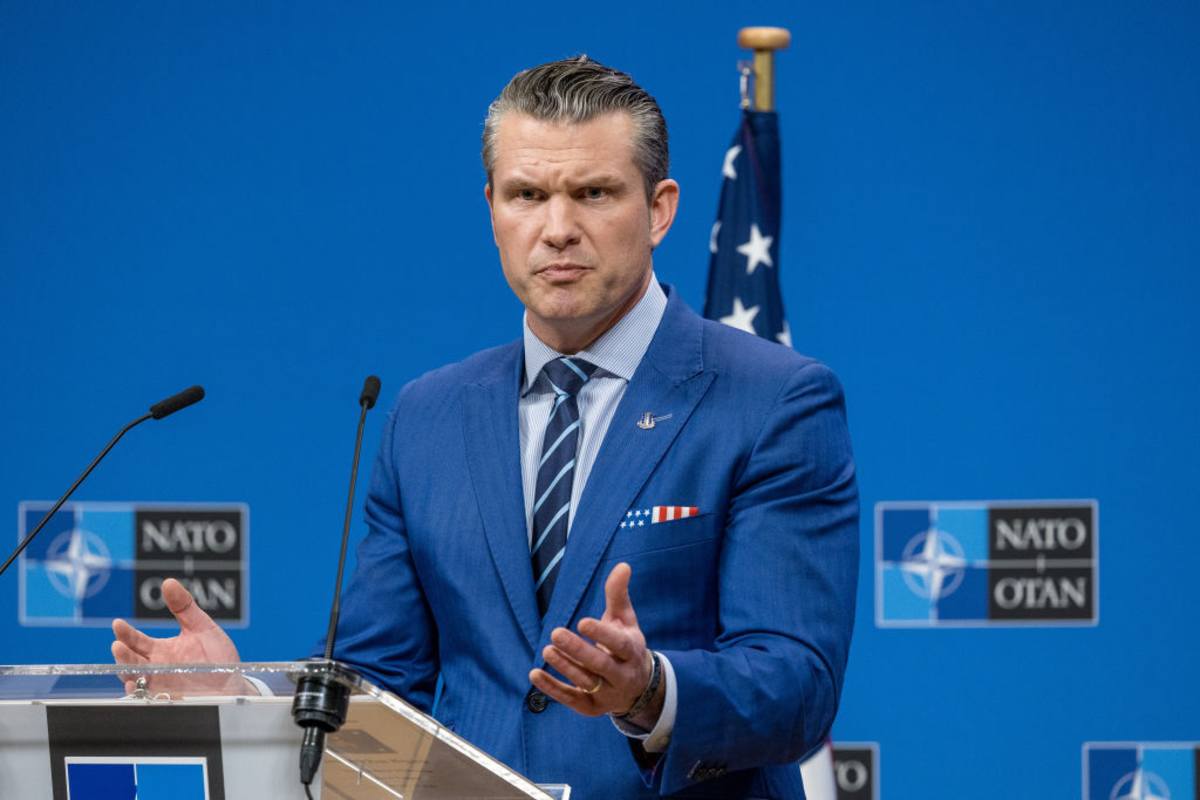
Pete Hegseth lashes out at 'air-conditioned' critics
When pressed on whether Hegseth saw anyone alive in the water after the first missile hit the Venezuelan vessel on September 2, Hegseth was categorical.
"I did not personally see survivors," Hegseth stated.
He described the scene on the video feed as chaotic, noting that "the thing was on fire" and billowing smoke.
"This is called the fog of war," he added, defending the confusion inherent in military operations.

The defense secretary used the platform to also launch a blistering attack on the media and lawmakers who questioned the legality of the strike.
"This is what you and the press don't understand," Hegseth said, pointing to the reporters in the room.
"You sit your air-conditioned offices up on Capitol Hill, and you nitpick, and you plant fake stories in The Washington Post," he continued.

Hegseth expressed frustration with the use of anonymous sources to undermine military leadership.
Everybody "phrases on anonymous sources, not based in anything, not based in any truth at all," he argued.
He accused critics of using "really irresponsible terms about American heroes" and second-guessing the judgment of commanders in the field.
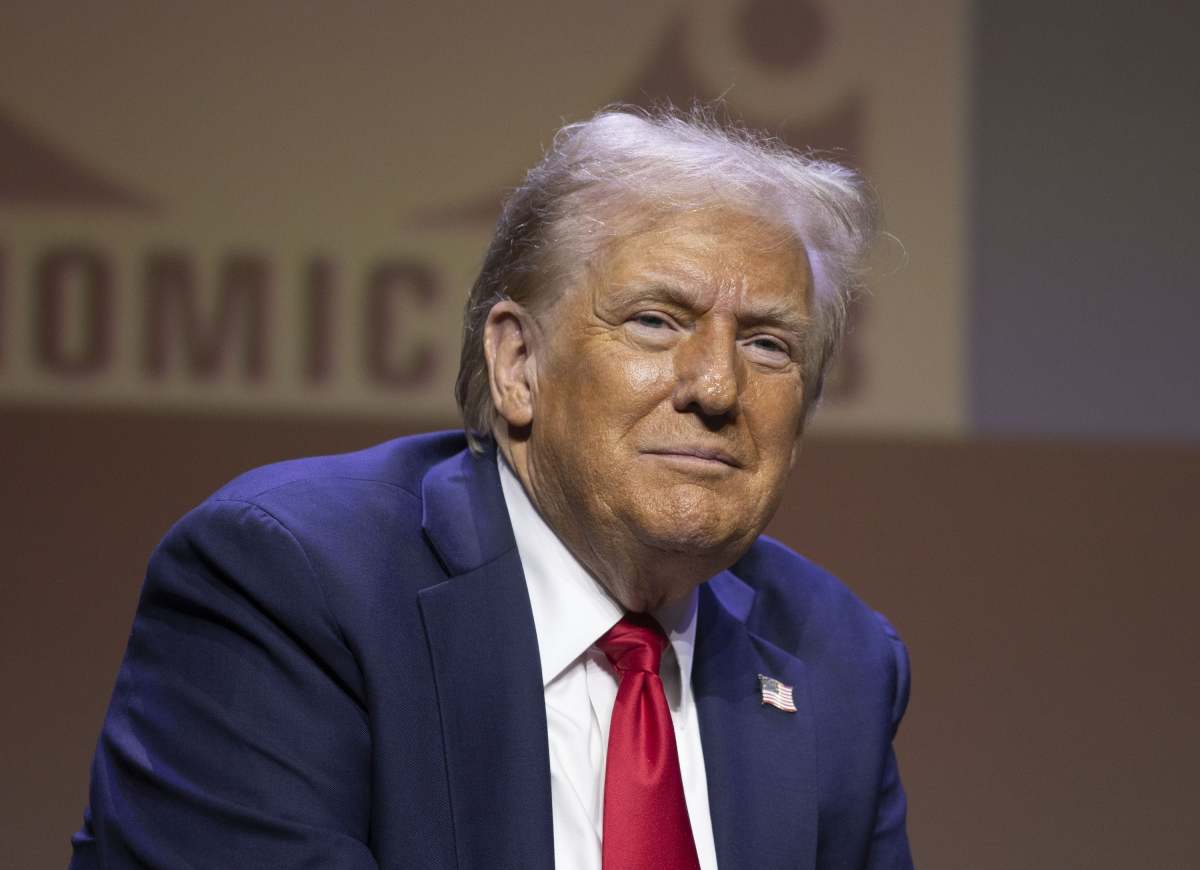
Pete Hegseth outlines timeline of operation involvement
Hegseth provided a detailed timeline of his involvement in the September 2 operation to clarify his role.
He explained that for the "first couple of strikes," he wanted to "own that responsibility" personally to ensure the rules of engagement were followed.
"So I said, I'm going to be the one to make the call after getting all the information, and make sure it's the right strike," Hegseth recalled.
He stated that he watched the first strike live but did not stay for the aftermath.

"I didn't stick around for the hour, two hours, whatever, where all the sensitive site exploitation digitally occurs," he said, noting that he moved on to his next meeting.
He learned hours later that a commander on the scene decided to "sink the boat and eliminate the threat," a move Hegseth retroactively endorsed as the "correct decision."
Trump distances himself from specific tactics
Yesterday, the White House officially confirmed that the second strike took place, sparking immediate inquiries from lawmakers concerned about potential war crimes.
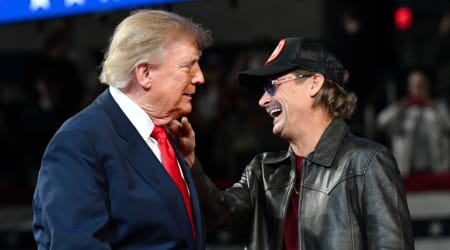
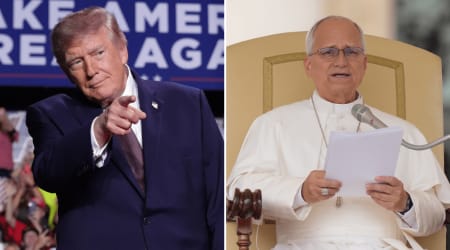
President Trump, sitting alongside Hegseth, offered broad support for the campaign against n****-t********s while distancing himself from the specific tactical decisions of the second strike.
"To me, it was an attack," Trump said. "It wasn't one strike, two strikes, three strikes."
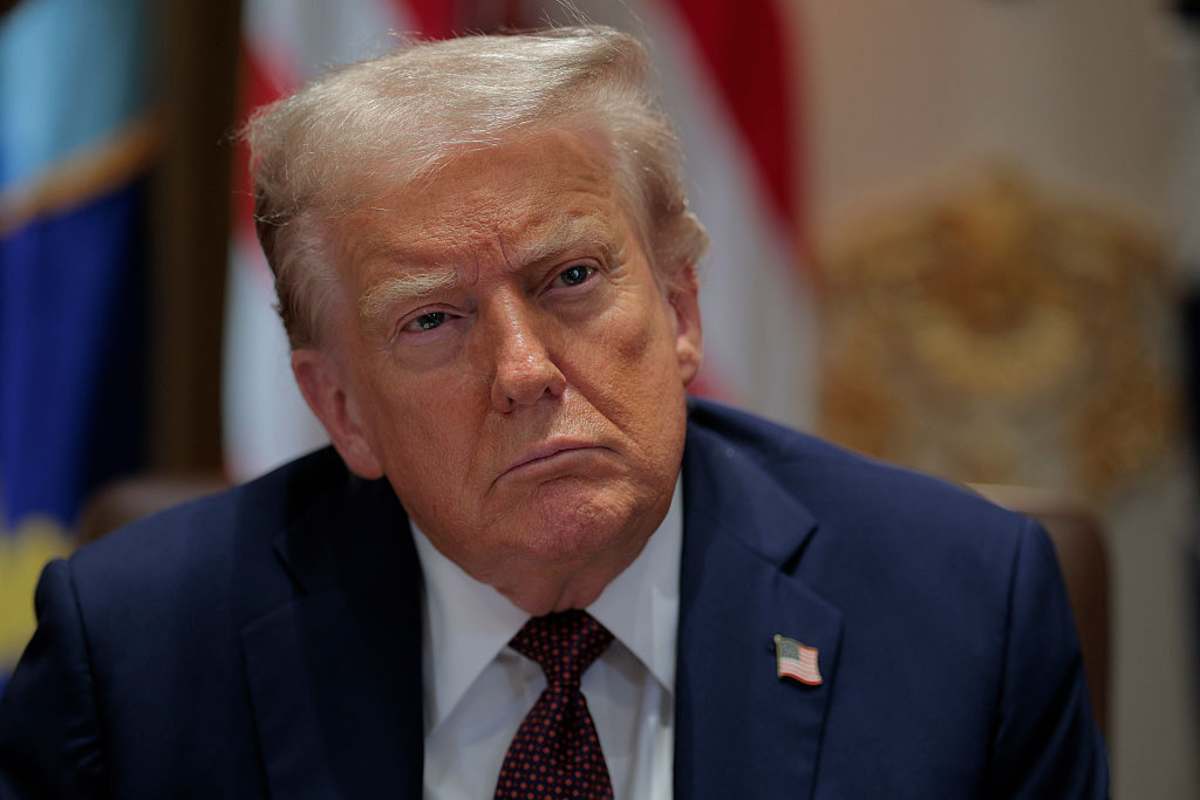
The president claimed that he was unaware of the "double-tap" detail until recently.
"Somebody asked me a question about the second strike. I didn't know about the second strike," Trump admitted.
However, he emphasized that the administration's aggressive actions against alleged d*** boats have ultimately saved American lives.