Photo of Trump and Xi at summit table goes viral as viewers spot no woman present
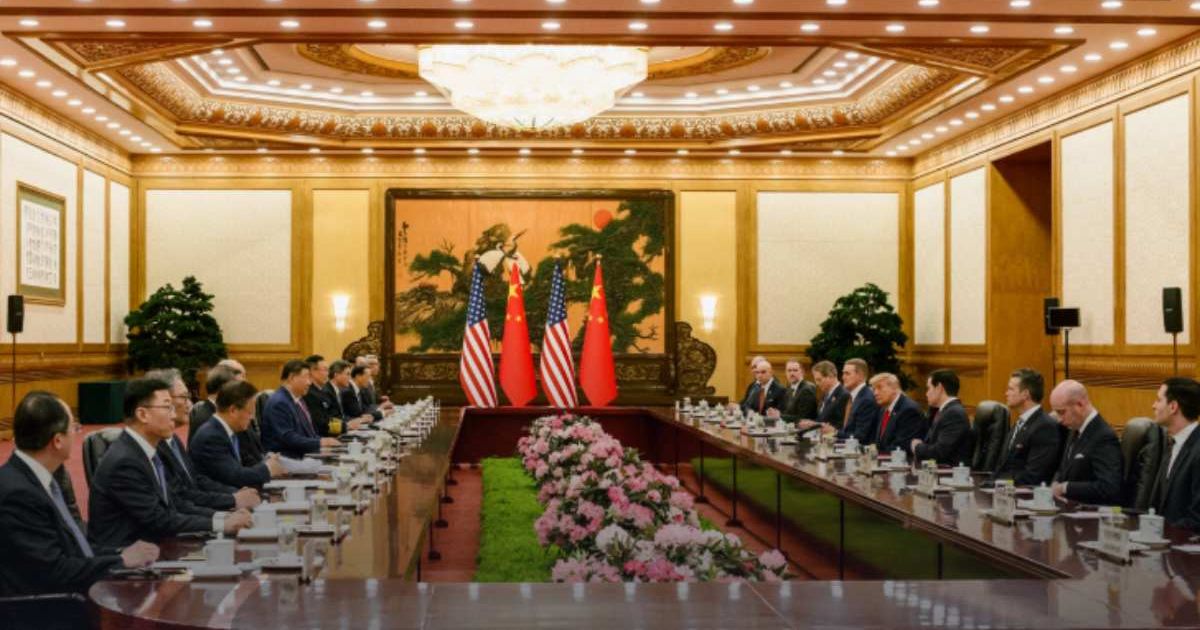
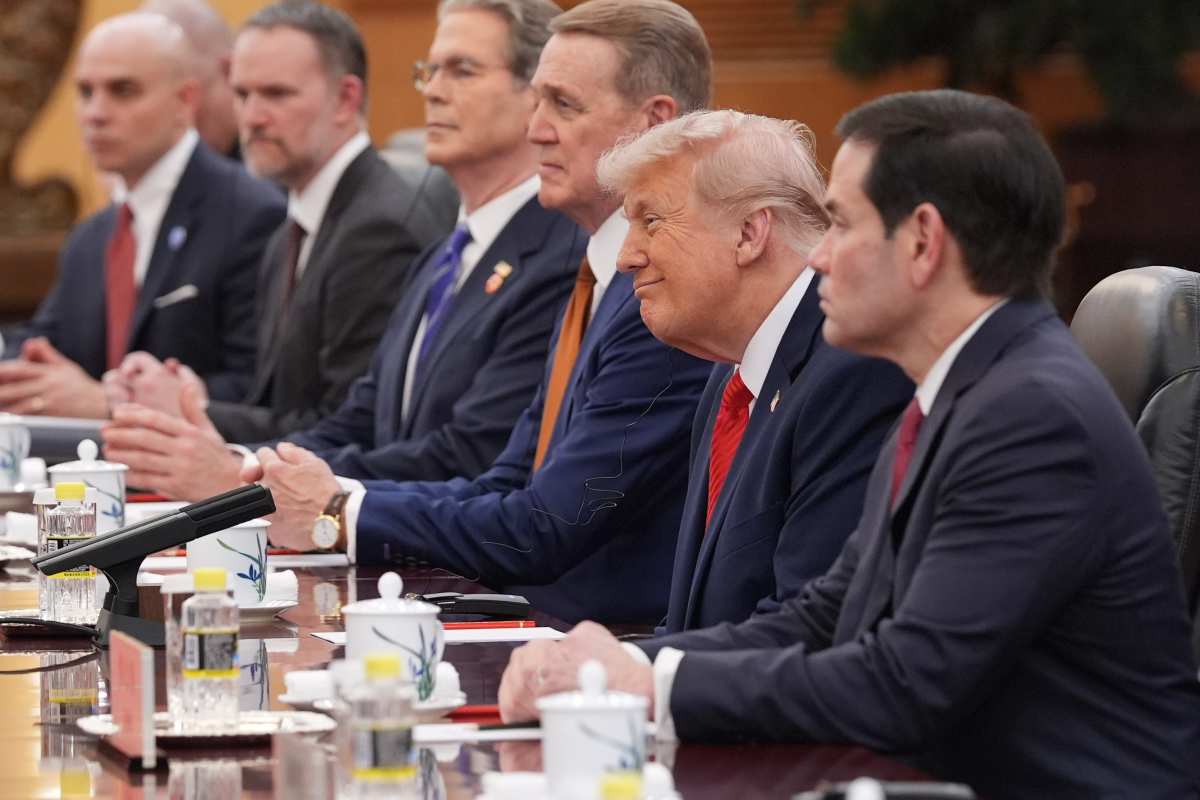
BEIJING, CHINA: A viral photograph from Thursday’s high-stakes bilateral meeting between President Donald Trump and Xi Jinping at the Great Hall of the People has sparked a heated debate online.
The image, which captured the two delegations seated for critical negotiations on May 14, 2026, shows a total absence of women at the main table, triggering widespread criticism regarding gender representation in global power structures.
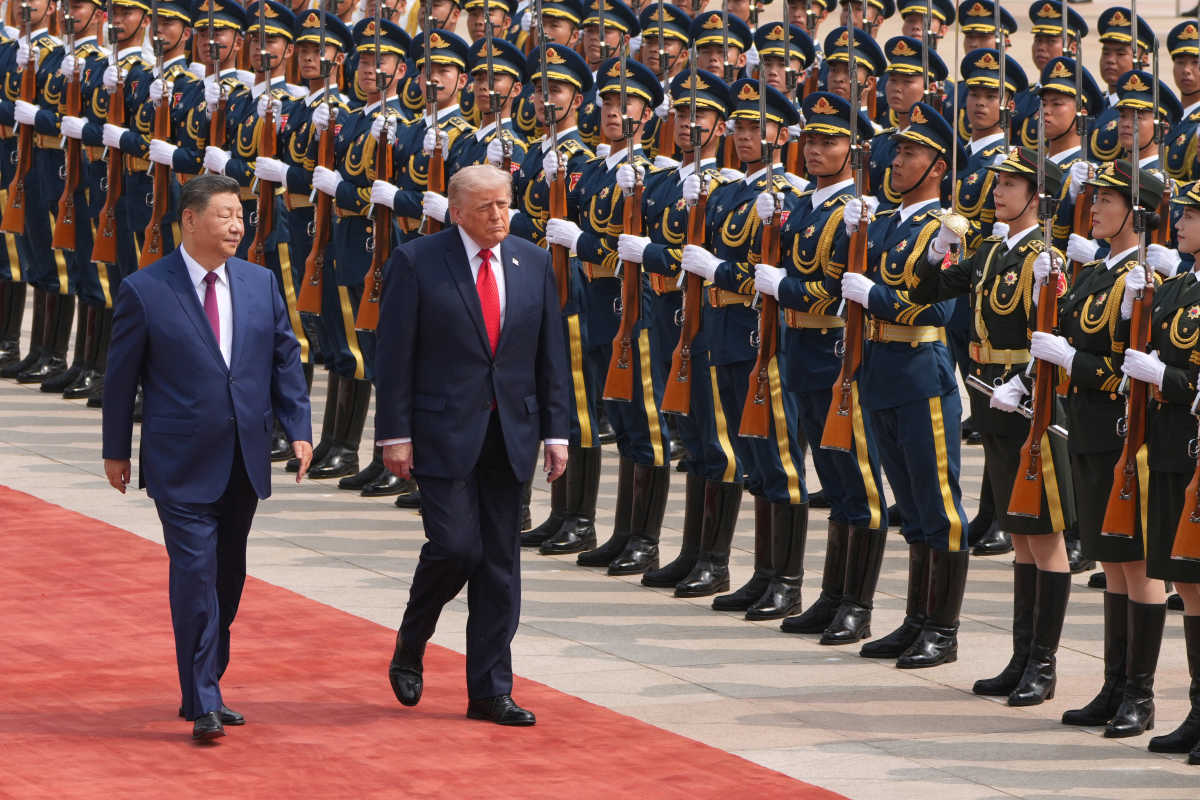
The debate over a single-gender table
The summit in Beijing was marked by traditional pageantry, including military displays and senior diplomats.
However, as the photos circulated, observers quickly noted the absence of women among the primary negotiators.
This stark visual was pointed out by many, including Harvard professor Gita Gopinath, as appearing to indicate a lack of gender diversity at the highest levels of officials.
While it is not confirmed if this single frame represents the entire administrative truth of the meeting, the image has dominated the digital conversation as a performance of "masculine and exclusionary" authority.
The discussion gained significant momentum after Gopinath shared the image with a critique that garnered over 35,000 likes.
She described the scene as “A painting of the end of meritocracy: A meeting of the two largest economies and not one woman at the table.”
Speaking to the Guardian, Gopinath expressed concern that global leadership is regressing.
“We have somehow gravitated back to this idea that what matters is your network and not your capabilities – and that matters [in terms of] whether or not you get a seat at the table,” she said, adding that it is “inexplicable” to have a single-gender table given the global pool of talented women.
Comparison to previous US-China bilateral summits
Critics have highlighted a sharp contrast between this 2026 meeting and the bilateral summits held during Barack Obama’s presidency.
Halima Kazem of Stanford University noted that previous high-level meetings between the two superpowers featured women in influential roles, such as China’s former vice-premier Liu Yandong and US officials Susan Rice and Hillary Clinton.
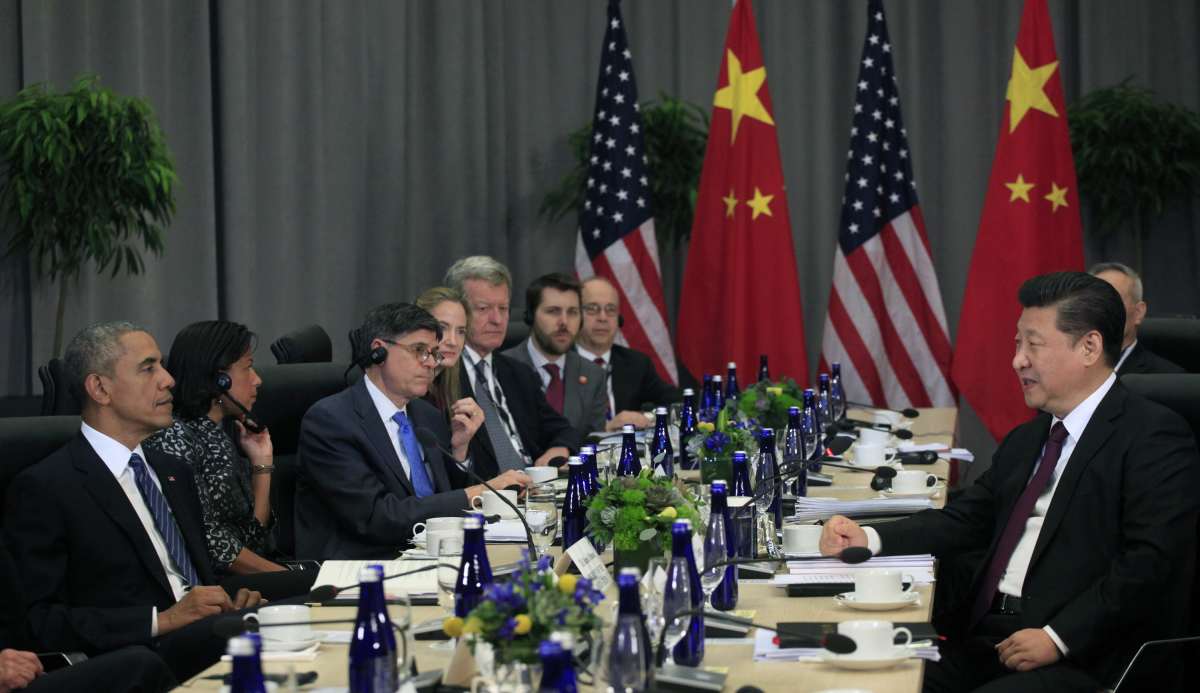
“We’ve gone backward,” Kazem remarked. “Obama-era US-China summits included women at the table. Now neither superpower thinks women belong in the room where great power politics happens. This isn’t just American failure – it’s a bilateral signal that women’s voices don’t matter in shaping the global order.”
To be clear, women were present in the broader US delegation that traveled to Beijing.
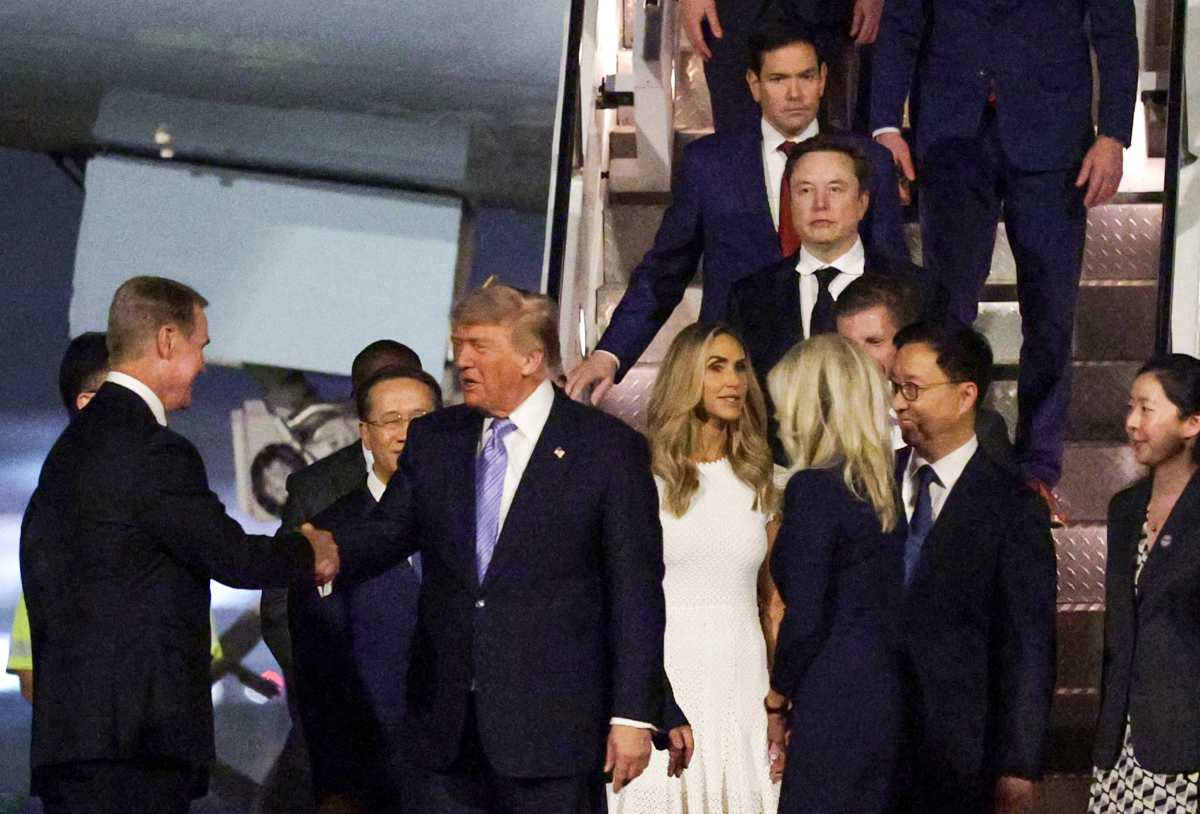
Photos confirm that Lara Trump accompanied the group, alongside business leaders like Citigroup CEO Jane Fraser and Meta President Dina Powell McCormick.
However, because Lara Trump does not hold a formal government office, she was not seated at the actual negotiating table.
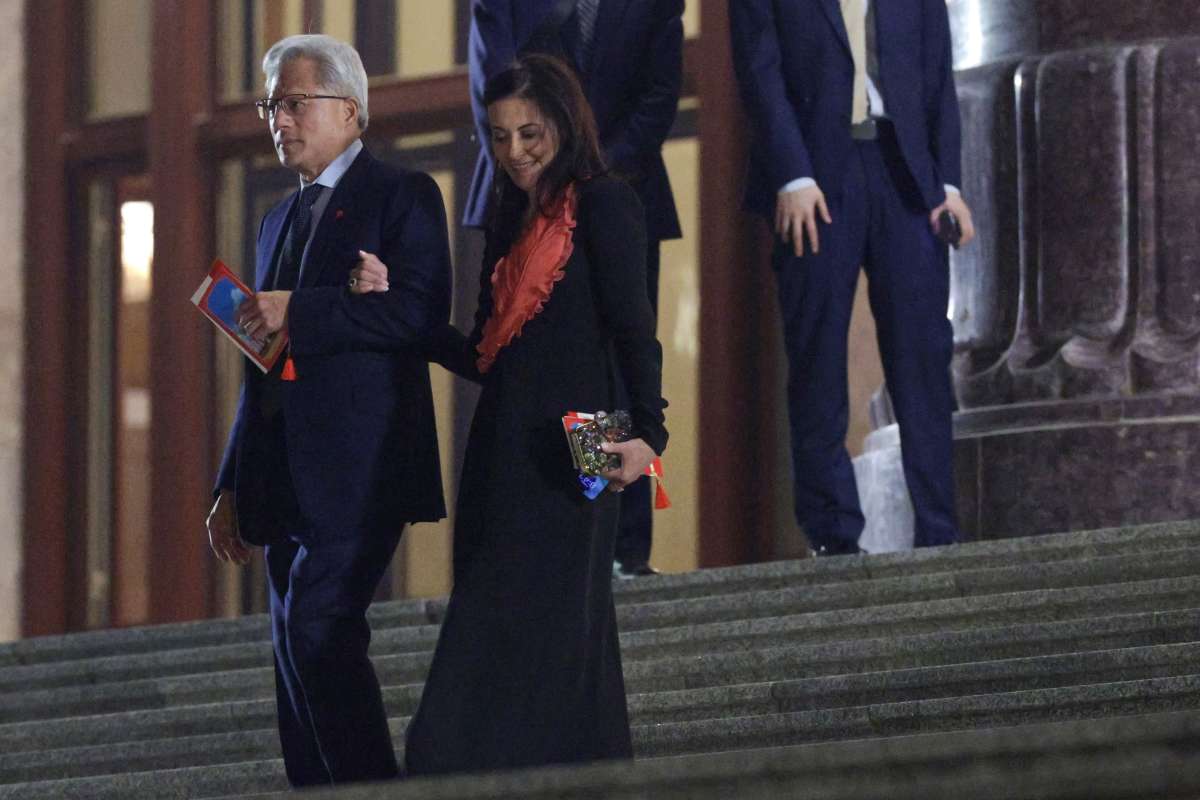
This distinction has fueled the primary criticism, while women may be part of the visiting entourage, they appear excluded from the specific room.
Kazem argued that "this wasn’t about lack of qualified women – both countries have plenty in their diplomatic and security establishments. This was a choice about what kind of authority to project: masculine, militarized, and exclusionary."
“When both superpowers perform power this way, they’re jointly defining what ‘serious’ diplomacy looks like and who gets excluded from it,” she added.