Race for Trump’s phone: White House insiders say President’s number is being traded in Washington
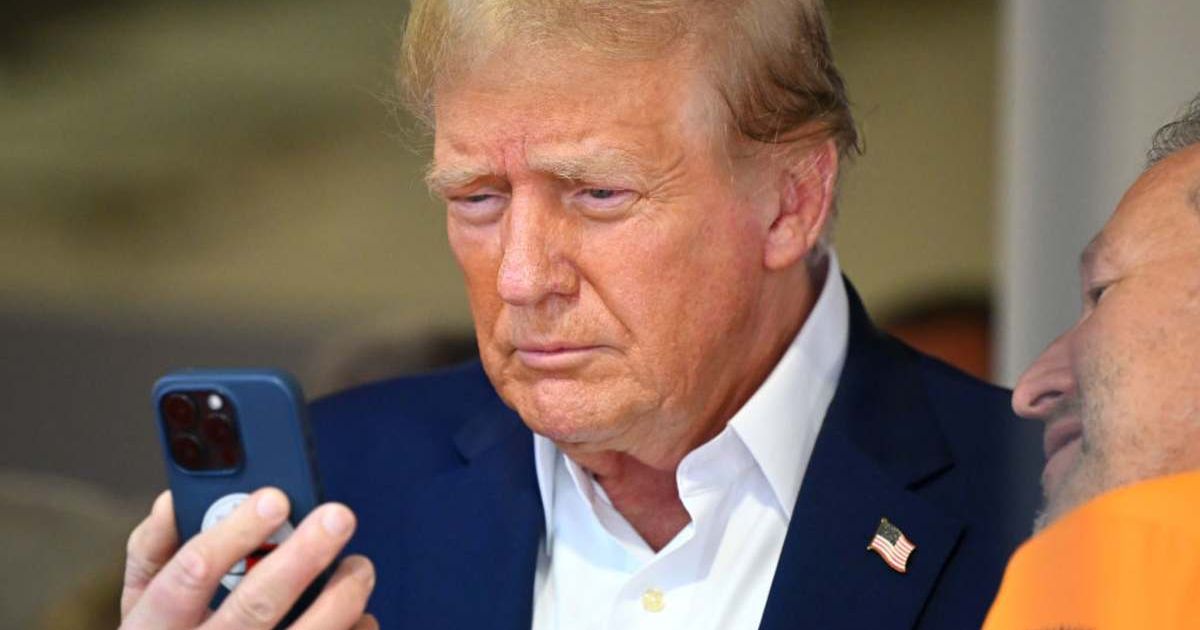
WASHINGTON, DC: President Donald Trump's personal cellphone number has become one of Washington’s most sought-after contacts, with White House insiders saying it is circulating widely among journalists, business executives and political operatives.
The Atlantic’s report, quoting two administration officials, said that they had received reports in recent weeks that the number had even been offered for sale to wealthy individuals hoping to gain influence.
According to the officials, some corporate executives have reportedly offered money for the number, while others, including cryptocurrency investors, have allegedly tried to exchange digital assets for access.
Journalists, they said, have also been trading high-profile contact details among themselves in hopes of obtaining the president’s private number.
“It’s honestly just wild,” one official said. Another described the situation as “out of control,” noting that the number has become a prized commodity among those seeking direct access to the president.

Flood of calls overwhelms tracking efforts
At the start of Trump’s second term, the number was closely guarded and known only to a small circle of friends and a few journalists who used it sparingly.
But officials say it has since spread widely, leading to a flood of incoming calls that advisers no longer attempt to track.
Staff members have occasionally seen the president’s phone light up repeatedly with calls and notifications during meetings, according to the officials. Some of the calls come from known contacts, while many others appear from unfamiliar numbers.
“It is literally call after reporter call,” one official said, describing how notifications can pile up rapidly.
The surge often intensifies after a reporter successfully reaches Trump and publishes a short scoop based on the conversation. Competing newsrooms quickly scramble to make their own calls in hopes of securing a similar comment.
White House says Trump welcomes the access
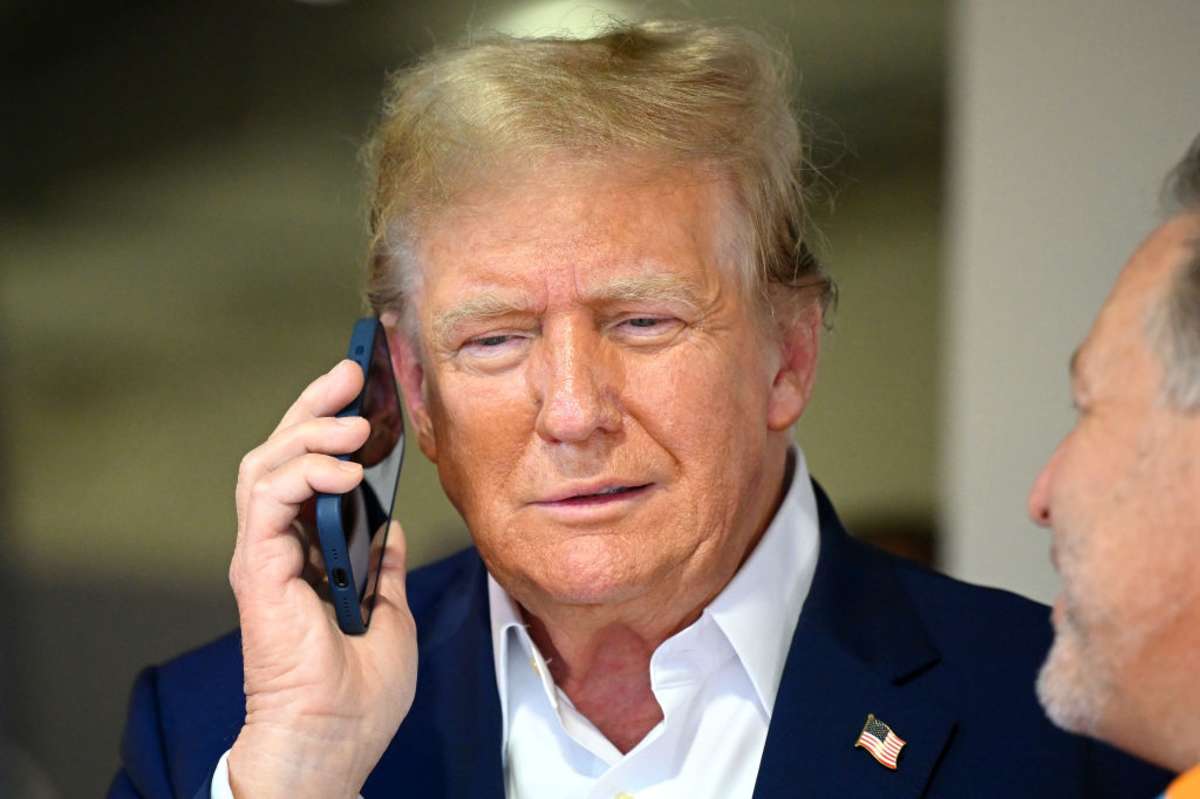
Despite concerns among some aides, according to the report, officials say there are no plans to restrict access to the president’s phone.
According to one insider, Trump enjoys the direct conversations and believes he can handle the press without intermediaries.
A White House spokesperson, Anna Kelly, defended the president’s accessibility in a statement, saying: “President Trump is the most transparent and accessible president in history. The press can’t get enough of Trump, and they know it.”
Trump has long relied on phone calls as a key communication tool. In his 1987 book 'Trump: The Art of the Deal', he described making dozens of calls a day during his business career.
Political journalist Chris Whipple said Trump’s continued reliance on phone conversations reflects a long-standing personal style. “Everybody learned in Trump 1.0 that he was going to work his phone and talk to whoever he felt like talking to,” Whipple said.
Calls surge amid Iran conflict
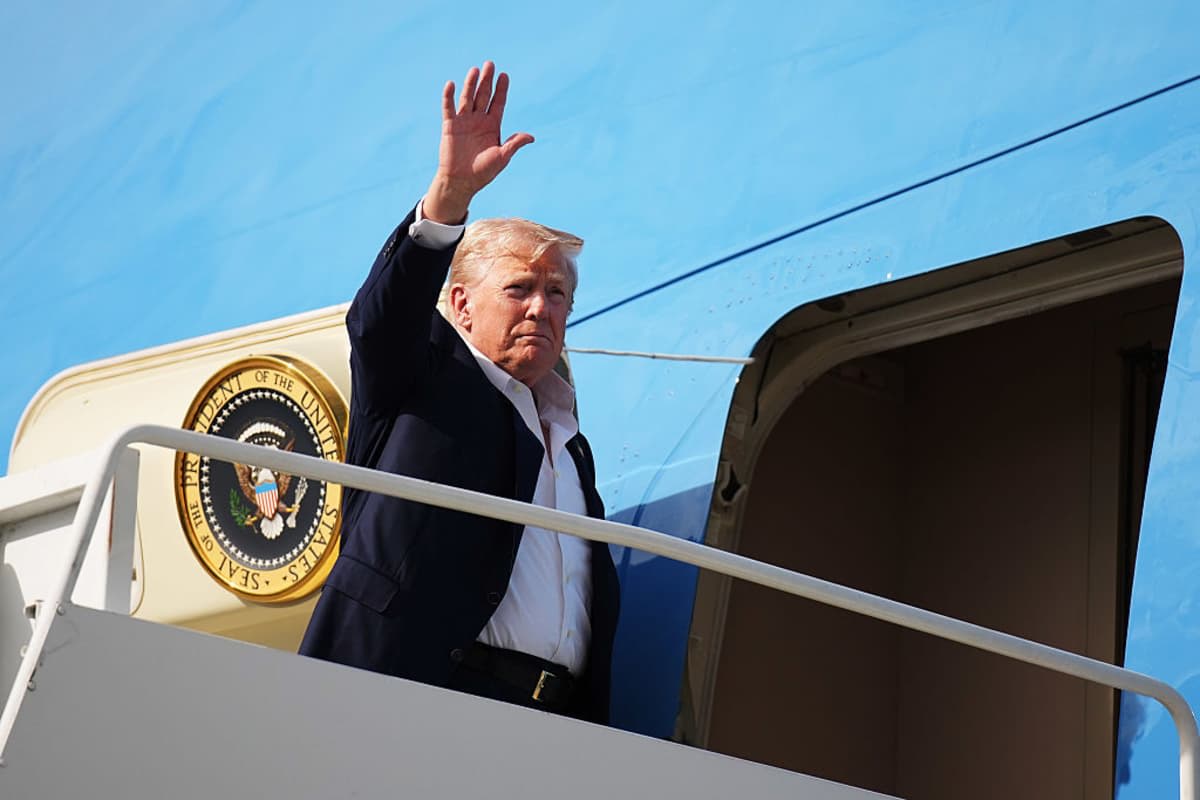
The volume of calls has increased sharply since the United States launched military strikes against Iran.
Administration officials say Trump has answered more than three dozen calls from journalists representing numerous outlets, including ABC News, CNN, NBC News, The New York Times, The Washington Post and Politico.
The brief conversations, often lasting only a few minutes, have occasionally produced headlines or moved financial markets.
In one call with CBS News, Trump said the war with Iran was “very complete, pretty much,” a remark that reportedly affected oil prices and US stock markets before he later clarified the comment.

Concerns about risks and mixed messaging
Some officials inside the West Wing worry that the free-flowing phone conversations could create confusion or expose the president to misinformation.
There are also concerns that quick, off-the-cuff remarks may be interpreted as official policy statements despite lacking broader context.
“These conversations happen on the fly,” one official said, describing them as informal exchanges that can nevertheless generate major headlines.
Access to the president often depends on his schedule and mood. Officials say there have been days when Trump has declined calls or abruptly ended conversations.
For now, however, aides say the White House has no clear plan to stop the number’s spread, even as it continues to circulate widely among reporters, political insiders and influence seekers in Washington.