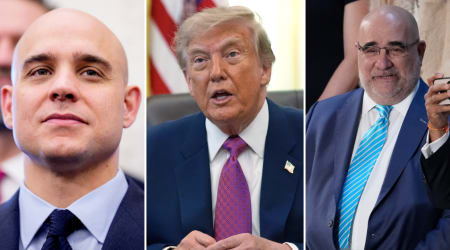
RFK Jr sparks controversy as staffers claim he scrolls phone during health crises
NEW: Major posts are vacant. Waves of scientists are gone. Ebola looms. How RFK Jr. manages HHS:
— Sheryl Gay Stolberg (@SherylNYT) June 7, 2026
“If the C.E.O. lacked deep expertise in the company’s business and the leaders of its most important divisions were missing, investors would revolt."https://t.co/QTZtLMUmUl
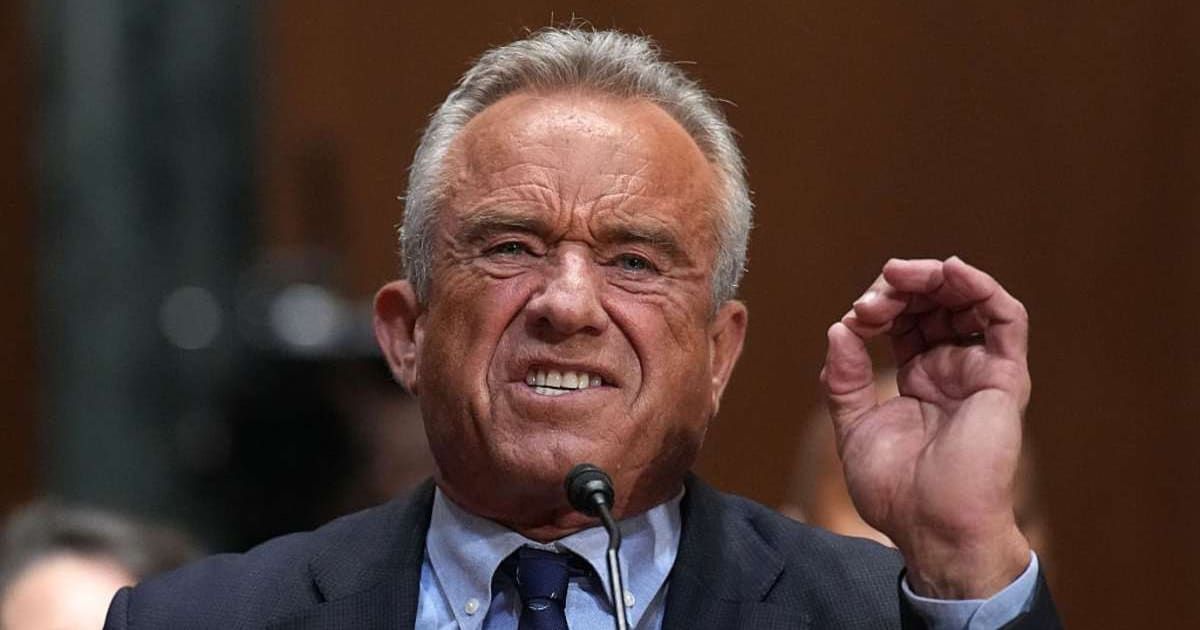
WASHINGTON, DC: Health and Human Services Secretary Robert F Kennedy Jr is facing fresh controversy after workers reportedly described him as disengaged and inattentive while leading the nation’s top health agency through multiple public health challenges.
The criticism quickly drew a sharp response from health advocates. It also arrives as the Department of Health and Human Services faces staffing shortages, leadership vacancies, and disease outbreaks that have raised concerns about preparedness.
RFK Jr’s leadership draws criticism
Kennedy reportedly rarely visits HHS headquarters in Washington, according to current and former officials cited by the New York Times.
When he does appear, sources told the newspaper that he often works six-hour days, has limited interaction with staff, and spends time scrolling on his phone during meetings with senior division officials while appearing “checked out”.
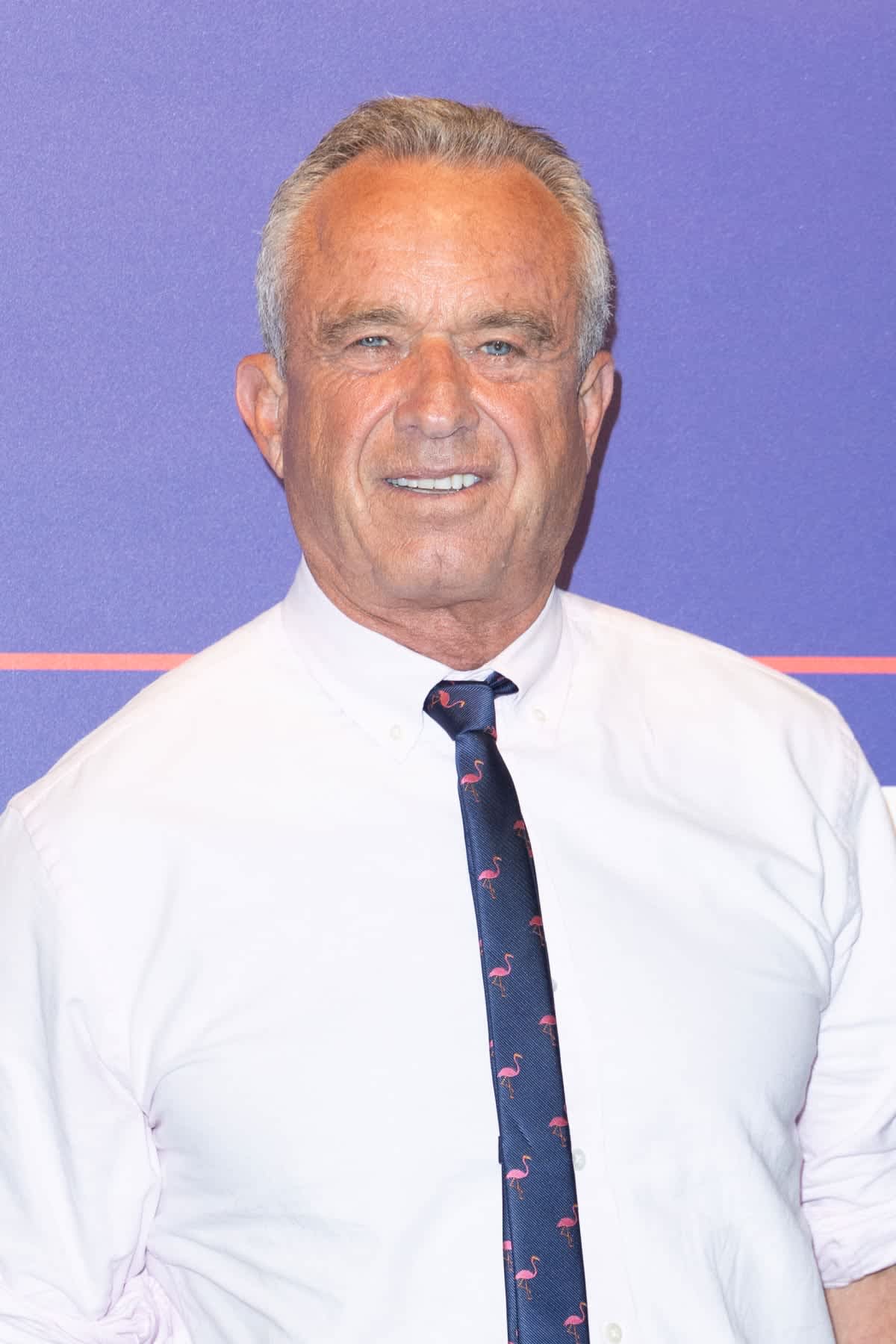 Robert F Kennedy Jr attends the Latino Wall Street Awards 2024 at Miami Dade College, Wolfson Auditorium on June 08, 2024, in Miami, Florida (John Parra/Getty Images for Latino Wall Street)
Those claims prompted a blistering reaction from the advocacy group Protect Our Care.
“Every day that goes by without Secretary Kennedy’s long overdue resignation is a day American lives are put further in harm’s way,” the group said in a statement responding to reports about Kennedy’s management of the department.
The criticism centers on an agency responsible for overseeing major public health institutions, including the Centers for Disease Control and Prevention, the Food and Drug Administration, and the National Institutes of Health.
Ebola response fuels new questions
Some officials are also frustrated by Kennedy’s limited public comments about the Ebola outbreak in Africa after the World Health Organization declared it an emergency last month.
According to the report, Kennedy’s only public remark on the issue was, “We’re working on it.”
The health secretary has also reportedly not made any known visits to the CDC since August.
Sources told the newspaper that Kennedy has instead focused heavily on issues such as food guidelines, pesticide exposure, and anti-vaccine research while delegating or appearing to neglect other priorities.
The Independent reported that it requested comment from HHS regarding the allegations.
HHS cuts deepen agency concerns
The latest scrutiny comes as current and former employees continue warning about declining morale across the department.
Between President Donald Trump’s inauguration and April, HHS reportedly lost about 17,000 employees through layoffs, retirements, and resignations tied in part to Kennedy’s efforts to challenge mainstream health science.
 President Donald Trump listens during a Cabinet meeting at the White House on February 26, 2025, in Washington, DC (Andrew Harnik/Getty Images)
“It took them just a few weeks to break things that are going to take decades to fix,” a former staffer in the HHS Office of the Assistant Secretary told Healthcare Dive in April. “I don’t think people realize how detrimental this will end up being."
Leadership vacancies have added to concerns. About half of NIH centers are reportedly being run by acting officials, according to an analysis cited by the New York Times.
Daniel Jernigan, who resigned in August as director of the CDC’s National Center for Emerging and Zoonotic Infectious Diseases, voiced similar worries earlier this year.
“I fear the experience, leadership, and need for decisive action just won’t be there,” Jernigan told the Guardian.
Questions surrounding Kennedy’s leadership are likely to continue as the administration pursues additional federal workforce changes, including a new executive order that could make roughly 8,000 government employees easier to dismiss without cause.