Tennessee urges judge to keep key detail secret after Christa Pike’s botched execution
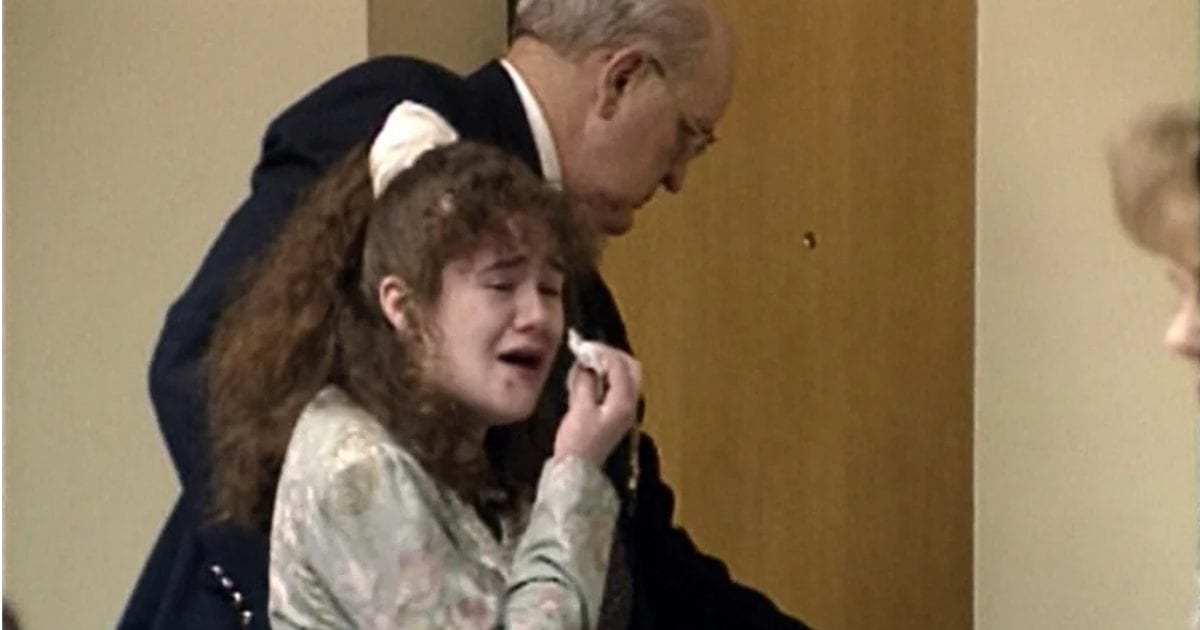
NASHVILLE, TENNESSEE: Tennessee officials are asking a judge to prevent a seemingly small but potentially revealing detail about the substance used in Christa Pike’s failed execution from becoming public.
A state corrections employee, in a motion filed Friday, November 6, has warned that even allowing lawyers to examine certain markings on the containers could expose the supplier, putting the state’s future executions at risk.
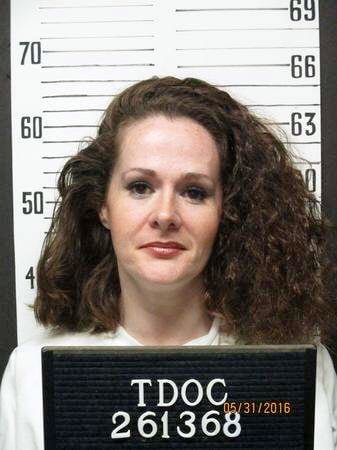
Tennessee warns against revealing supplier's identity
The warning was issued by a Tennessee Department of Correction employee identified only as TCE, who oversees the procurement of pentobarbital used in executions.
The motion submitted to Davidson County Chancery Court revealed that Tennessee's current supplier had attached a strict condition to its continued supply: its identity must never be exposed.
The company has reportedly warned that any disclosure of its identity would immediately end its arrangement with the state.
The state said suppliers of execution substances have previously faced threats, harassment, retaliation and boycotts over their involvement in capital punishment.
But concealing the company's name may not be enough.
According to the motion, even seemingly routine details about the pentobarbital vials could expose its source.
These include manufacturing methods, label designs, wording, batch numbers, expiration dates and distinctive features of the containers.
Tennessee cautioned that investigators could piece together the supplier's identity using information scattered across packaging, certificates, invoices and inventory records.
Even partially redacted labels might leave behind enough identifying details to trace the product back to its source.
The department has already seen a supplier walk away after being exposed.
TCE disclosed that a company cut off communication with TDOC in 2024 after its identity was revealed, despite extensive efforts to shield it.
The motion comes after an October 10 court order requiring officials to preserve and collect evidence from Christa Pike's failed execution attempt, including the pentobarbital remaining inside the vials.
The containers are currently being held at a secure location away from Riverbend Maximum Security Institution.
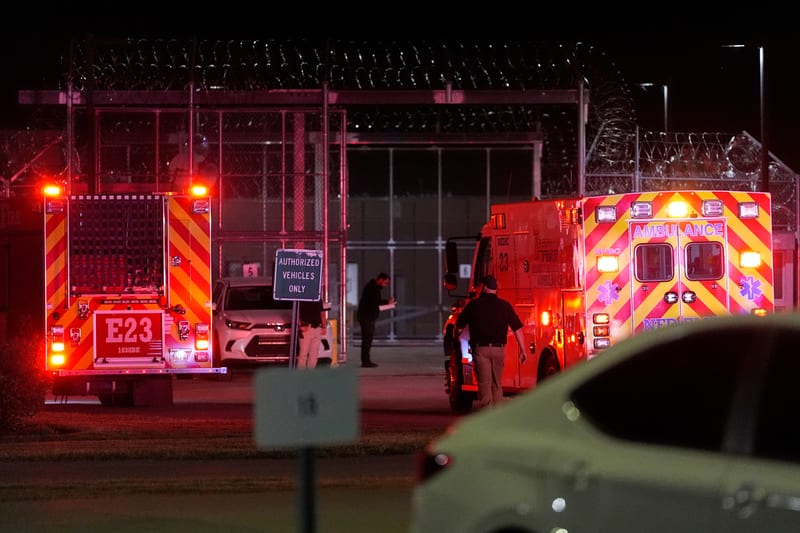
Christa Pike's botched execution
Christa Pike was scheduled to be executed on September 30 at Riverbend Maximum Security Institution.
The attempt was abandoned after she remained alive despite receiving two doses of pentobarbital.
Witnesses reported that Pike complained of severe pain in her arm during the procedure.
Her breathing continued, with witnesses describing sounds resembling snoring, while her lawyers said her heartbeat had not stopped. Officials eventually halted the execution and transferred her to a hospital.
She remained critically ill and unconscious for days, requiring medical support.
Her lawyers subsequently described complications including pneumonia, a blood clot, difficulty swallowing, swollen arms and burns or blisters.
Questions also emerged about whether problems with intravenous access had affected the procedure.
Pike later regained consciousness and was able to speak and walk, although her attorney said she remained disoriented and mentally foggy.
She reportedly did not remember the execution attempt and believed it was still September.
Tennessee has not publicly established what caused the procedure to fail.
The Department of Correction maintained that its execution protocol had been followed, while Governor Bill Lee halted the remaining execution scheduled for 2026 and ordered an independent review.
Pike was convicted in the 1995 killing of 19-year-old Colleen Slemmer and remains on death row.
The failed attempt has also made the physical evidence from the procedure central to the legal dispute now before the judge.