Christa Pike’s lawyers revealed rare blood cancer diagnosis months before botched execution
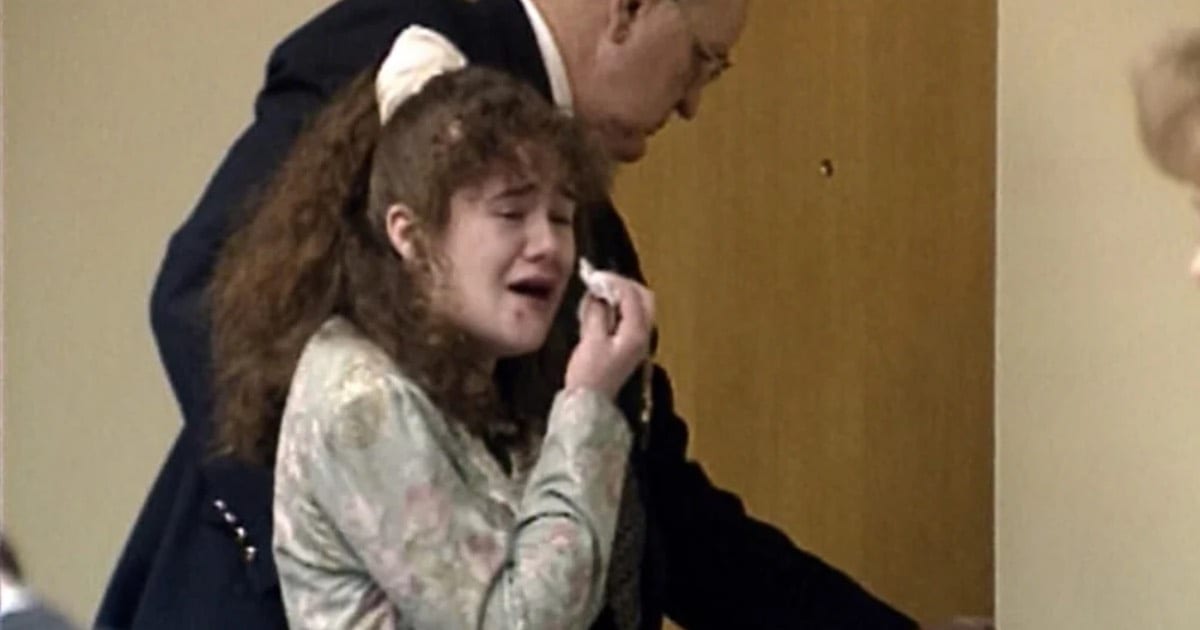
NASHVILLE, TENNESSEE: Christa Pike's lawyers had raised concerns about her blood condition months before Tennessee attempted to execute her, newly revealed court documents show.
The January 2026 filing reportedly stated that Pike suffered from thrombocytosis, which her legal team believed was likely caused by a rare blood cancer called myeloproliferative disorder. Her attorneys warned that the condition could increase the risk of severe pulmonary edema during a lethal injection, potentially leaving her feeling as though she was suffocating.
Despite those concerns, Tennessee went ahead with Pike's scheduled execution on September 30. The procedure went wrong, and she survived two rounds of lethal injection before being taken to the hospital, where she spent nearly two weeks.
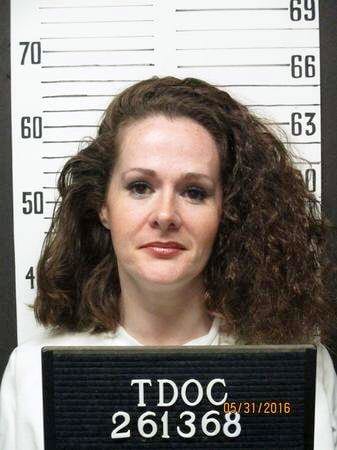
Christa Pike's lawyers warned about possible blood cancer complications
According to the court documents, Pike's legal team raised concerns about her thrombocytosis and the possibility that it was linked to myeloproliferative disorder.
Her attorneys warned that these medical issues could increase her risk of severe pulmonary edema during the execution. The condition could potentially cause a sensation of suffocation while she received the lethal injection.
The filing also highlighted Pike's history of difficult blood draws and problems with needle insertion. Because of this, her lawyers recommended using special needles to reduce the risk of complications.
Their concerns were raised in January 2026, months before the execution was carried out.
Christa Pike survived two rounds of lethal injection
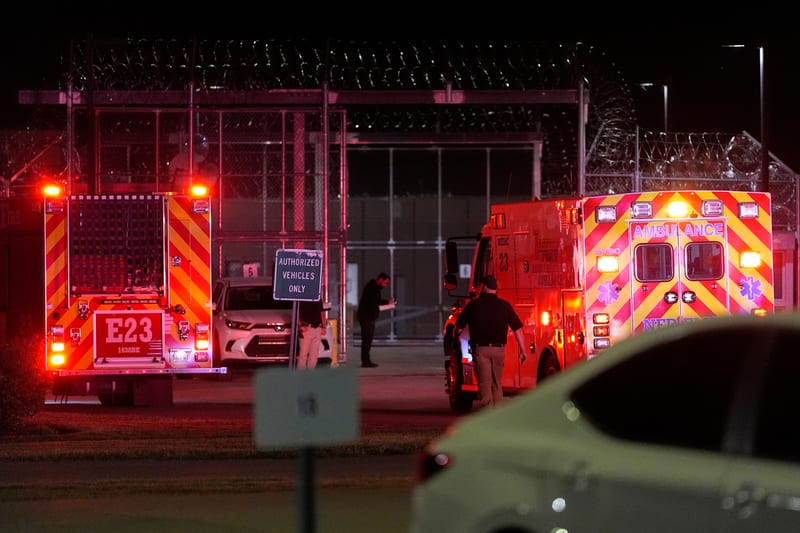
Despite the warnings, Pike's execution proceeded on September 30. However, the procedure reportedly involved serious difficulties with inserting the needles.
Her attorney, Randy Spivey, said he counted at least seven needle sticks in Pike's left arm alone, with one needle appearing to be bent. He also claimed that her right arm began turning purple after the second round of chemicals.
Pike survived the two lethal injections administered to her and was taken to a hospital for treatment. She remained there for nearly two weeks before returning to prison.
The failed execution brought renewed attention to the medical concerns her lawyers had raised before the procedure, particularly their warnings about her blood condition and difficulties with needle insertion.
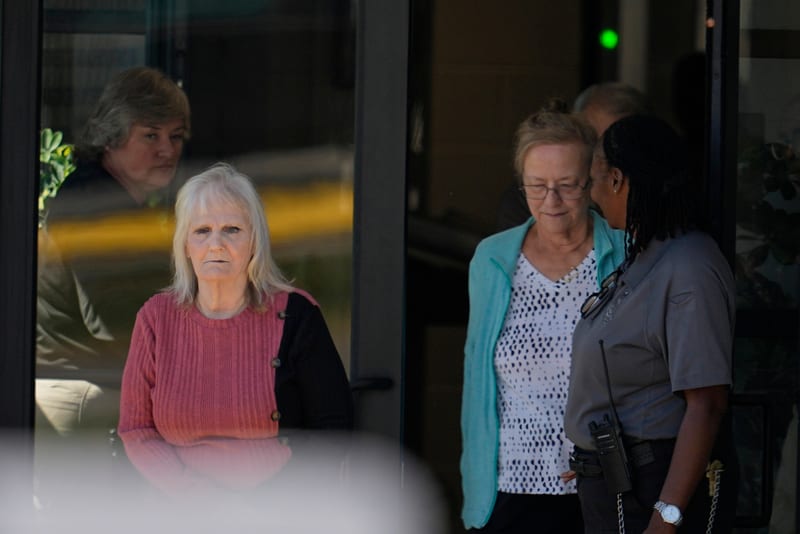
Christa Pike seeks changes to her prison isolation arrangement
Pike has since returned to the prison where she was previously housed.
However, she is now asking the court to move her out of her current isolation arrangement.
She wants access to regular prison activities but has said she does not feel safe returning to her previous housing unit.