Man who met 'scared' Christa Pike on death row reveals what she was really like behind bars
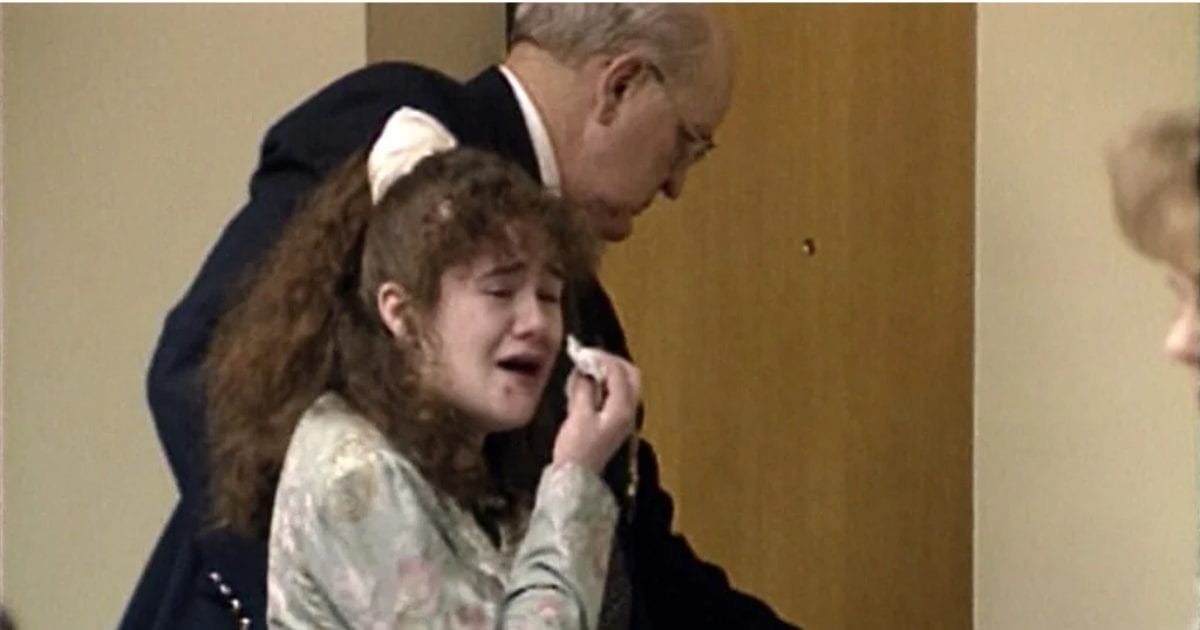
NASHVILLE, TENNESSEE: One man remembers Christa Pike as a frightened young woman who seemed sorry for what she had done.
Another recalls a suspect who appeared almost excited while describing a killing so brutal that even seasoned homicide investigators were left shaken.
Nearly three decades after Pike was sentenced to death for killing 19-year-old Colleen Slemmer, the sharply different accounts from a documentary filmmaker and the former police chief who handled the case have brought fresh attention to the woman behind one of Tennessee's most disturbing cases.

Filmmaker says Christa Pike didn't 'come across as being evil'
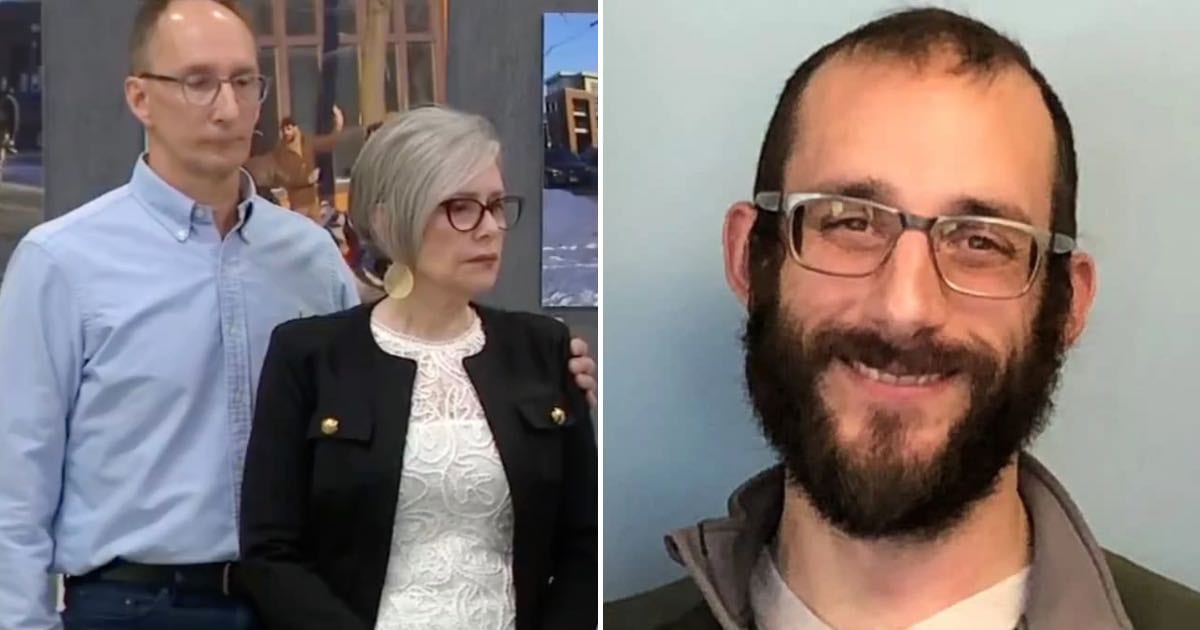
Steve Payne, a documentary filmmaker, spoke to Pike not long after she was sentenced to death.
In an interview with 'Crime World' published October 23, Payne recalled meeting a young woman whose demeanor surprised him given the crime that had sent her to death row.
“She just was like a normal girl. How she got wrapped up into all this, I don’t know,” Payne said.
He described Pike as “a scared young girl who, if you met her normally, she wouldn’t come across as being evil.”
Payne said she appeared to feel remorse for what she had done and seemed aware of the consequences.
He recalled that Pike acknowledged her actions but maintained she had not intended to take a life.
Payne also questioned whether Pike’s childhood had been adequately presented during her trial.
He criticized her defense lawyer for failing to raise the abuse she allegedly experienced growing up.
“She had a terrible defense lawyer. He was a nice person, but he was a bad lawyer, and he didn’t bring up any of her childhood,” Payne said.
“She had the most horrendous childhood. Everyone she came into contact with in her family just beat her.”
Payne believes her background deserved greater consideration in the case.
He also opposes her execution, arguing that more than 30 years behind bars, including roughly two decades in solitary confinement according to his account, was already an extraordinary punishment.
He further questioned the deterrent effect of capital punishment, arguing that people who commit such crimes often do not expect to be caught.
The picture Payne painted of a frightened, remorseful young woman stands in stark contrast to the account of the police chief who handled Pike’s case, who described an exceptionally horrific crime scene that left even seasoned homicide investigators visibly disgusted.
Police chief recalls chilling interview with Christa Pike
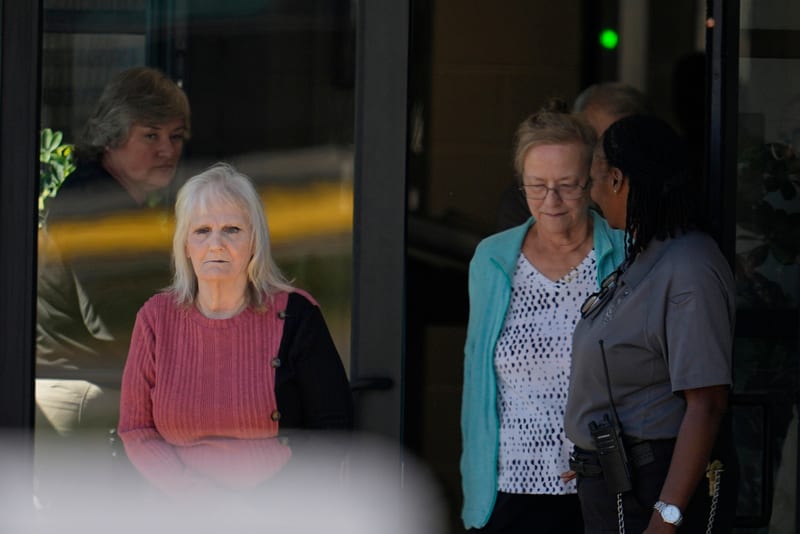
Speaking to the New York Post on October 28, former Knoxville Police Chief Phil Keith said Christa Pike's manner of describing the crime at the time of probe had left him questioning whether she felt any remorse.
“I heard somebody that was ruthless, without any remorse, almost giddy,” Keith said.
He said Pike’s description of what happened sounded less like an account of a terrible event and more like someone recounting it with a sense of pride.
“You know, she was describing what took place, like, almost the sense that she was bragging about it,” he said.
Keith’s recollection extended beyond Pike’s behavior. He said the scene itself was unlike what he had come to expect in his years around violent crime.
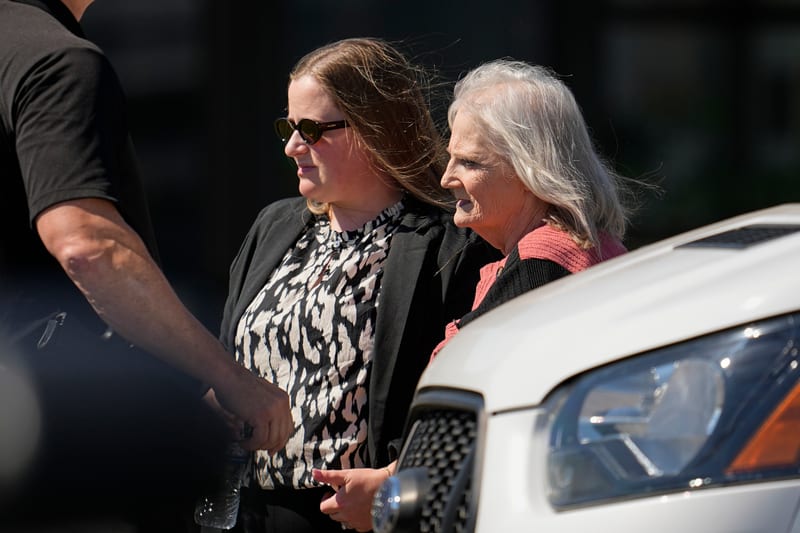
Two veteran homicide investigators, with a combined 50 to 60 years of experience, appeared disturbed by the extent of the violence.
Pike was 18 when she and her boyfriend, Tadaryl Shipp, killed Colleen Slemmer, another student at a Knoxville Job Corps training program, in January 1995.
Pike was convicted of first-degree killing and sentenced to death the following year. Shipp received a life sentence.
The case returned to public attention in September 2026 after Tennessee’s attempt to execute Pike by lethal injection failed.
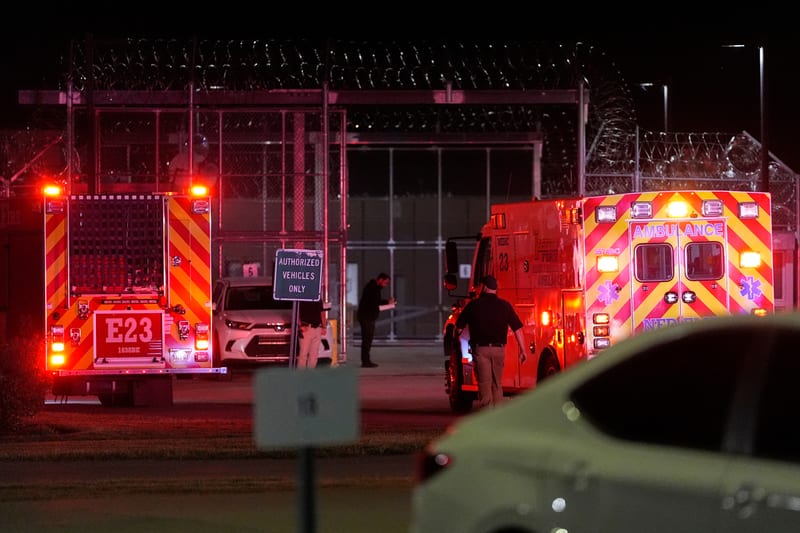
She was taken to the hospital in critical condition, later regained consciousness and began eating and walking with assistance. She also gradually recovered some movement in her arms.
Pike left the hospital on October 10 and returned to the Debra K Johnson Rehabilitation Center in Nashville.
Her lawyers are seeking to have her death sentence commuted to life without parole and have raised concerns about the failed execution.