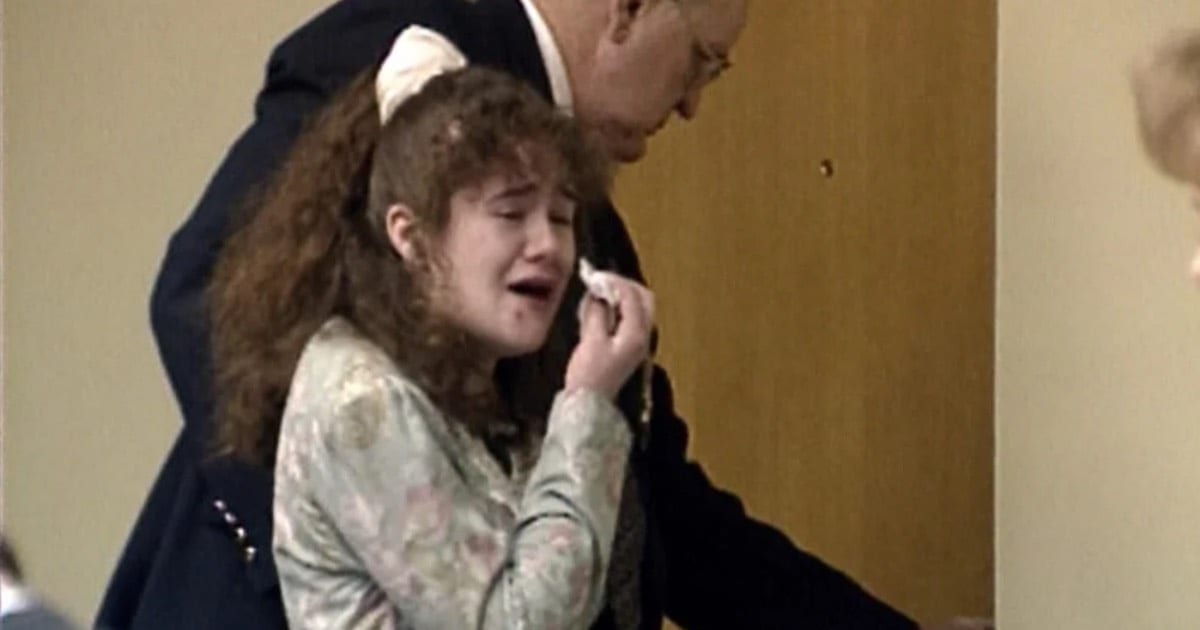
Most detailed account yet reveals how Christa Pike’s execution attempt unravelled, needle by needle
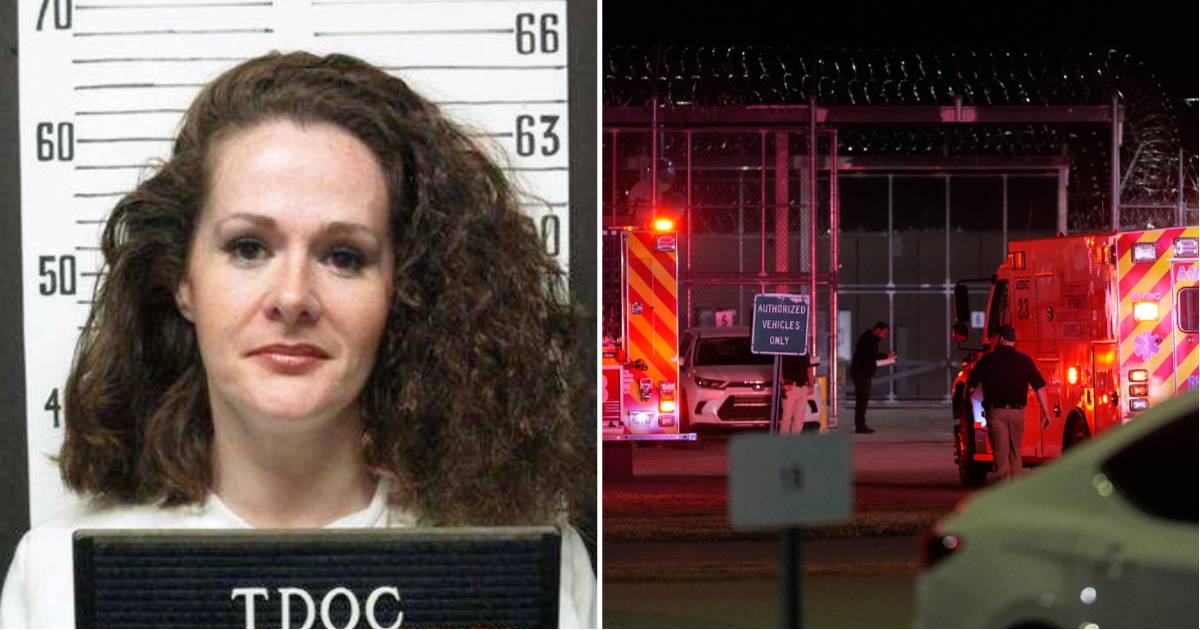
NASHVILLE, TENNESSEE: A failed attempt to execute Tennessee death row inmate Christa Pike involved repeated efforts to establish intravenous access, concerns that veins in her arms may have ruptured and difficulty flushing the final line with saline, according to a court filing by her attorney accessed Thursday, October 22.
The account describes events inside the execution chamber on September 30, from the first attempts to insert needles to Pike’s complaints of intense pain, her apparent medical distress and the efforts to obtain emergency assistance.
Repeated attempts to establish IV access
Attorney Randy Spivey’s filing offers a detailed chronology of the procedure that ended with Pike being taken to hospital rather than executed.
According to his account, the execution team needed to establish two intravenous lines under Tennessee’s protocol before administering the lethal injection containing pentobarbital.
The process began at 6:34 p.m. and quickly encountered difficulties.
Members of the team tried approximately 10 needles and searched for suitable access points in both of Pike’s arms.
At one stage, Pike herself suggested that they look higher up her arm for a vein.
A line was established in her right arm within roughly six minutes.
Securing a second line on the left, however, proved considerably more difficult, taking close to an hour.
Spivey described Pike wincing as personnel manipulated needles in her left arm.
The repeated attempts also prompted uncertainty among team members about whether they had successfully accessed a vein.
At 6:57 p.m., one member reportedly raised the possibility that a vein was “blowing”, a term used when a vein ruptures or is damaged during an attempt to establish intravenous access.
Others were unable to determine whether that was what had happened.
Spivey recalled one team member saying, “it’s either blood or blown, I need to know,” according to the filing.
The team moved to another location on Pike’s left arm.
When a needle was withdrawn, it appeared significantly bent, the attorney reported.
At 7:07 p.m., one member was heard saying, “I think it’s blown.”
Further attempts followed before the team concluded at 7:13 p.m. that it had established the second line.
Pike’s hands were then secured with tape and she was connected to a heart monitor.
Even after the lines were in place, the procedure had not proceeded without complications.
Spivey wrote that the team struggled to force saline through the final IV site, raising further concerns about whether the line was functioning as intended.
Pike reported burning pain
Around five minutes after the second line was established, calls began passing between the execution chamber and an adjoining room, where personnel responsible for administering the injection were stationed.
According to Spivey, the repeated calls appeared to involve requests for checks on the IV in Pike’s left arm.
The precise time when pentobarbital entered the lines is not established in the account.
At 7:34 p.m., however, Pike complained that her arm was causing her severe discomfort.
“I feel like my arm is about to bust. It burns,” she said, according to Spivey.
Pike continued speaking with her spiritual adviser for approximately another 10 minutes.
She then began making what her attorney described as an “agitated snoring sound.”
Over the following half-hour, Spivey observed movements that concerned him.
He said Pike strained, flinched and moved her head while appearing to have difficulty breathing.
The account raises questions about what those present could observe and how quickly they recognised the seriousness of her condition.
Spivey also described difficulties when he tried to contact other lawyers.
Rather than being allowed to use a telephone in the execution witness room, he said, he was taken along a circuitous route through the facility that lasted seven minutes.
At 8:22 p.m., Spivey called fellow attorneys and sought to stop the procedure.
He cited the administration of a third pentobarbital dose, which he said was not permitted under Tennessee’s execution protocol.
He then returned to the witness room and told the deputy attorney general that Pike required immediate medical attention.
Emergency response and recovery
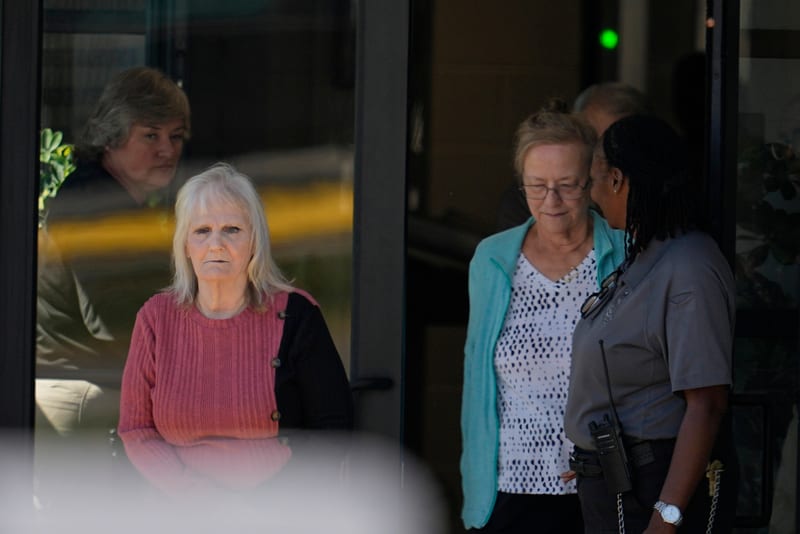
Spivey wrote that he was informed at 8:50 p.m. that an ambulance was on its way. Approximately 20 minutes later, he was told that medical personnel were carrying out lifesaving measures.
An ambulance was seen arriving at the hospital at 9:14 p.m.
Pike survived the attempt after receiving two doses of pentobarbital.
She was hospitalized in critical condition and required a ventilator before regaining consciousness on October 6, according to reports from her legal team.
She was discharged on October 10 and returned to prison, where she continued receiving medical care
Her recovery has continued in the weeks since the failed procedure.
In an update reported on October 21, an attorney said Pike was speaking in complete sentences and walking more independently.
Doctors were still monitoring her cognitive and psychological functioning, and the full extent of any lasting effects remained uncertain.
The new details raise further questions about Tennessee’s failed attempt to execute Pike, as the state’s remaining scheduled executions for 2026 remain on hold pending a review.