Christa Pike's failed execution: 911 call reveals chilling confusion over prison's plea for help
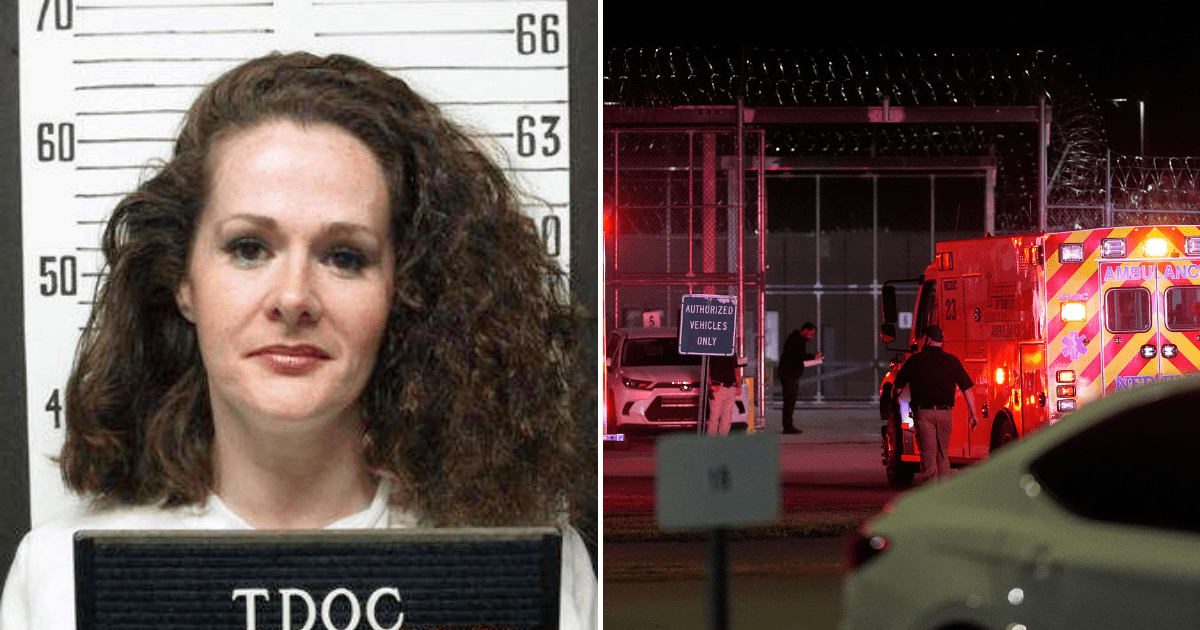
NASHVILLE, TENNESSEE: More than a week after Christa Pike survived a lethal injection that was supposed to end her life, newly released emergency recordings have raised fresh questions about the response inside Tennessee’s Riverbend prison at the time of the emergency on the execution day.
The calls, first obtained by The Associated Press for a report published Monday, October 12, reveal how an urgent request for an ambulance was initially treated as potentially false, with dispatchers and prison personnel struggling to establish whether the emergency was genuine.
By the time responders received clearance to enter, more than half an hour had passed since the first call.
‼️ UNBELIEVABLE ‼️ Christa Pike failed execution 911 CALLS No one on 911 dispatch believed that anyone from the prison was calling 911. Even prison staff on the phones, thought it was fake. They treated it as a swatting or a prank call. https://t.co/BUzO0MDo5p
— Kiki Danger (@itskikidanger) October 13, 2026
911 call was initially flagged 'false'
The first call for emergency assistance came at around 8:40 p.m. on September 30, roughly an hour after Tennessee began its attempt to execute Christa Pike at Riverbend Maximum Security Institution in Nashville.
The caller informed dispatchers that Pike had received 10 grams of pentobarbital but was still alive.
“We've been carrying out an execution tonight. We've administered 10 grams of pentobarbital. The person is not yet deceased,” the caller said while requesting an ambulance.
The request stalled when the dispatcher asked for a verification code that the caller could not supply.
Emergency communications staff then contacted multiple agencies to establish whether the call was genuine.
By 9:03 p.m., dispatchers had been told that supervisors considered the request a false alarm.
“There is no medical assistance needed at Riverbend Prison,” the person said.
The situation at the prison entrance told a different story. At 9:07 p.m., Central Control reportedly denied making the original call, while a responder had already reported that someone identifying themselves as a state official was insisting the emergency was real and demanding access.
Central Control eventually verified the request, and responders received permission to enter at 9:11 p.m. The clearance came approximately 31 minutes after the initial call.
Following the failed execution, officials still faced a potentially life-threatening medical emergency.
The Eighth Amendment prohibits deliberate indifference to prisoners’ serious medical needs. The Supreme Court has recognised that delaying necessary treatment can violate constitutional protections.
Christa Pike execution and aftermath
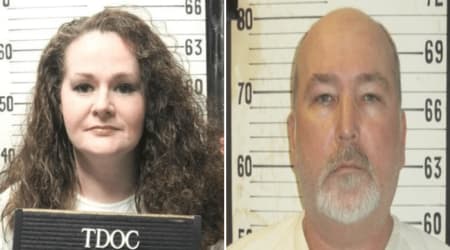
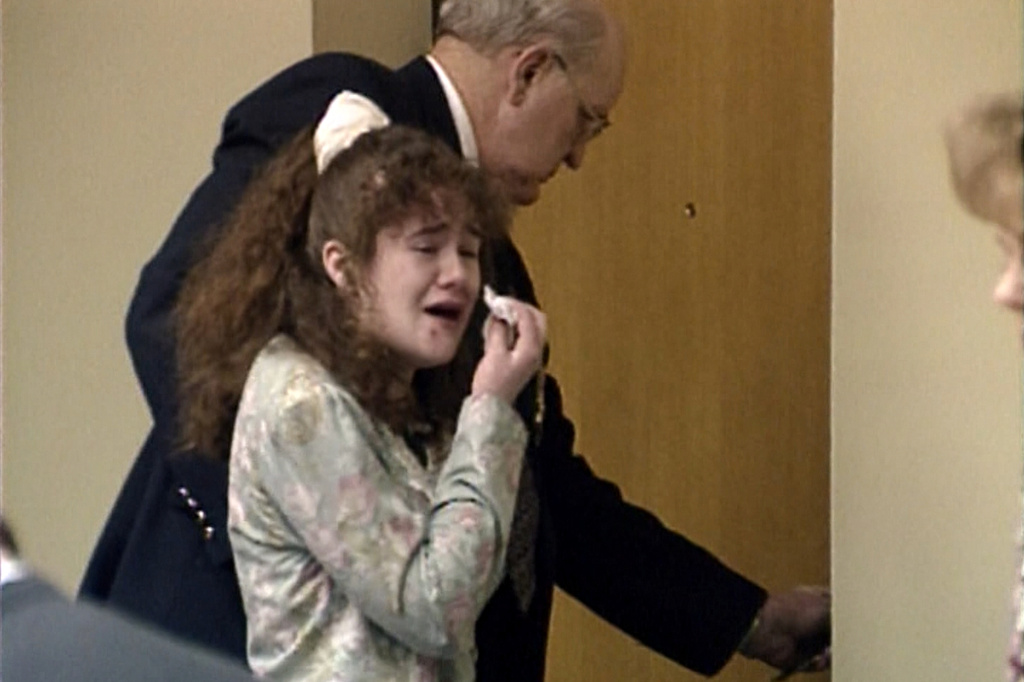
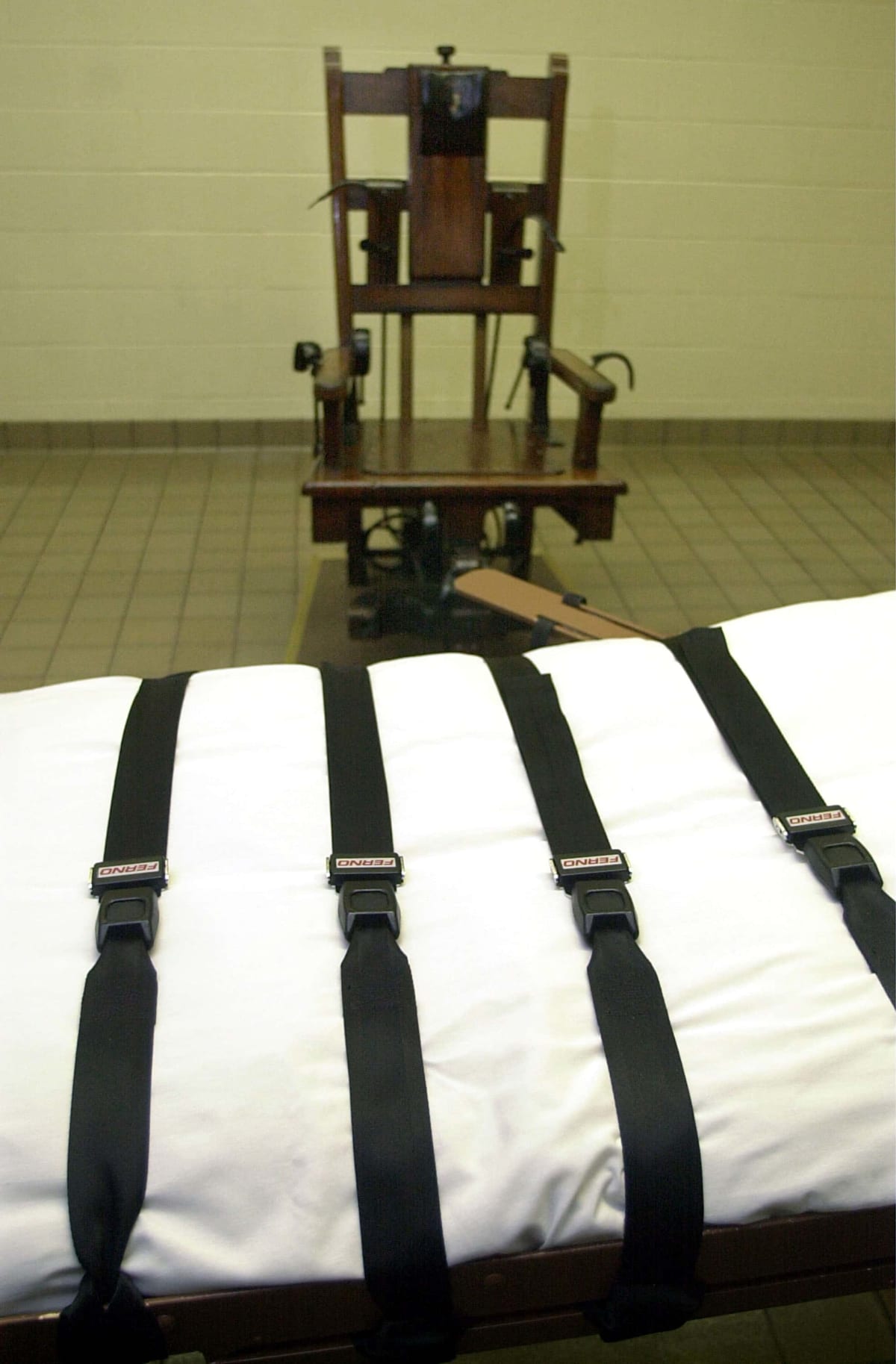
Pike had been scheduled to die by lethal injection on September 30 after being convicted of the 1995 torture and killing of 19-year-old Colleen Slemmer, a former classmate.
Pike was 18 at the time of the killing and has spent decades in custody.
During the execution attempt, officials administered pentobarbital, a powerful sedative used in Tennessee's lethal-injection protocol.
Despite receiving the chemicals twice, Pike did not die.
She was taken for emergency medical treatment after the procedure failed, becoming the first known person in the United States to survive after execution chemicals had been administered in a lethal-injection procedure.
The precise reason the execution failed has not been publicly established.
Pike's condition was initially grave. Following the failed execution, she was hospitalised and placed on a ventilator.
Her lawyers later reported that she had remained unconscious for days, with fears about whether she would survive.
On October 6, she regained consciousness and began speaking, according to her legal team.
On October 10, Pike was discharged from hospital and returned to the Rehabilitation Center in Nashville, where she had been held before the execution attempt.
Her attorneys said she would continue receiving medical care in prison and that they would monitor her recovery.