EXCLUSIVE: Sleuth for next inmate after Christa Pike issues chilling warning amid lethal injection fiasco
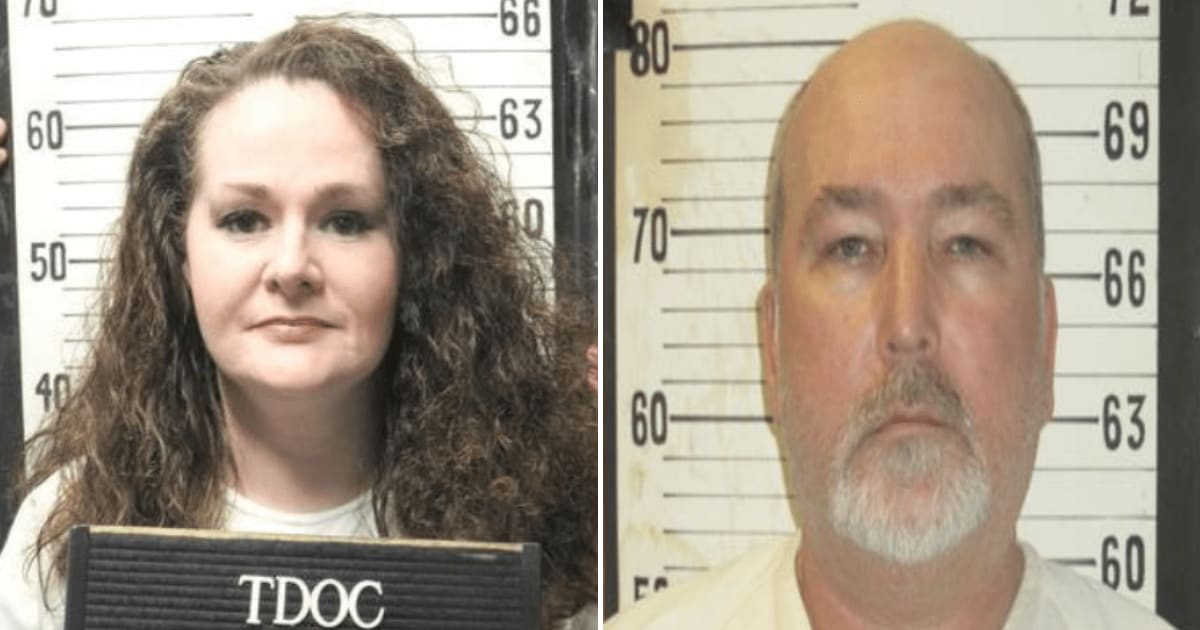
NASHVILLE, TENNESSEE: Gary Wayne Sutton was scheduled to be executed in Tennessee on December 3, 2026.
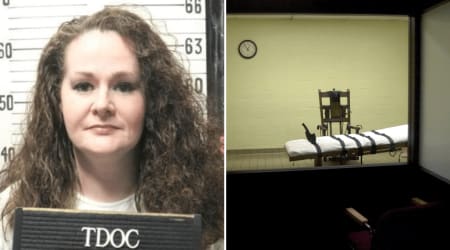
He had just 64 days between him and the execution chamber when the state’s attempt to put Christa Pike to death failed, leaving her alive after two rounds of lethal injection.
The September 30 episode triggered an investigation, halted executions across Tennessee for the remainder of the year and raised questions about the state’s execution protocol.
On October 7, Governor Bill Lee granted Sutton a reprieve until October 7, 2027, as the state reviews its procedure for the second time in five years.
In an exclusive interview with MEAWW, private investigator Heather Zielinski, who worked on Sutton's case, said she feared for his life and warned of what she sees as deeper failures in the criminal justice system.
🚨 TENNESSEE GOVERNOR BILL LEE SIGNS ONE-YEAR EXECUTION REPRIEVE FOR CONVICTED DOUBLE MURDERER FOLLOWING CHRISTA PIKE’S FAILED EXECUTION ATTEMPT Governor Bill Lee has granted death row inmate Gary Wayne Sutton a one-year reprieve, delaying his execution until at least October 7, 2027. Sutton was sentenced to death for the 1992 murders of siblings Connie Branam and Tommy Griffin. Sutton and his co-defendant, James Dellinger, were convicted of killing the siblings in separate incidents in East Tennessee. Their bodies were discovered days apart. Sutton was originally scheduled to be executed December 3, 2026. The reprieve was signed October 7, just one week after Christa Pike survived Tennessee’s failed lethal injection attempt. Tennessee had already suspended executions for the remainder of 2026, but this new reprieve extends Sutton’s protection from execution into 2027. The fallout from Pike’s failed execution continues.
— Lindsay 🇺🇸 (@TheLinzerShow) October 8, 2026
Investigator expresses 'bigger concerns'
Asked by MEAWW whether Pike’s failed execution had heightened her concerns about Sutton eventually facing Tennessee’s lethal-injection procedure, Zielinski was direct.
“I have concerns for Gary’s life, but I have even bigger concerns for the lack of integrity in our criminal justice system,” she said.
Sutton, who has been on death row since 1996, was convicted in the 1992 killings of siblings Connie Branam and Tommy Griffin.
His December 3 execution date was formally set by the Tennessee Supreme Court in September 2025.
Pike’s failed execution changed that timetable, and Lee signed Sutton’s reprieve, delaying his execution by at least a year.
His conviction and death sentence remain in place.

Zielinski, a licensed private investigator, founder of 'The Justice Warriors' and host of its podcast, has investigated Sutton’s case and spoke to MEAWW in detail about it.
She alleges that important witness accounts and other evidence were mishandled, but a court has not established those claims as findings.
She told MEAWW that she could not isolate one piece of evidence as more important than the rest.
“It was all very relevant and important and, frankly, any one piece of evidence should be enough to convince the state to at least take a look at it,” she said.
Zielinski argued that the issues she identified should be considered together, rather than treated as separate disputes.

She said the state had failed to take responsibility for what she believes went wrong in Sutton’s case.
“The longer this is allowed to continue, the more people will be wrongfully convicted based on shoddy investigations, backroom handshakes, and political corruption.”
Zielinski’s concerns about Sutton’s case center partly on what she says she learned from witnesses during her investigation.
“The key witnesses backtracking and, in one instance, saying that the state omitted an important piece of their testimony was pretty damn important in my opinion,” she told MEAWW.
Asked what she would put before the governor or a court if given the opportunity, Zielinski said she would not focus on one disputed detail.
She argued that the entire course of the case needed examination, including what she alleges were problems with witness testimony, investigative decisions and the handling of Sutton’s appeals.
Gary Wayne Sutton continues to deny responsibility for the 1992 killings, even as Tennessee keeps his death sentence in place.
🔎Learning more about the other death row inmate in Tennessee who was scheduled for execution this fall -- Gary Wayne Sutton. His sentence has been put on hold following the botched attempts to lethally inject Christa Pike last week for the 1995 torture and murder of 19-year-old Colleen Slemmer in Knoxville. Sutton and his uncle, James Dellinger, were both convicted and sentenced to death for the 1992 murders of Tommy Griffin and Connie Branam, a brother and sister. Sutton and Dellinger bailed Griffin out of jail only for him to be found dead of a shotgun blast to the head. When his sister went looking for him, she disappeared — later found in the burned remains of her car. Dellinger wound up dying on death row of natural causes, and it remains unclear what's next for Sutton after Gov. Bill Lee called for a pause on capital punishment in the state in the fallout of Pike's failed injections.
— Michael Ruiz (@mikerreports) October 5, 2026
Tennessee's record adds context
Tennessee has previously seen people exonerated after wrongful convictions.
The Tennessee Innocence Project reported in July 2026 that it had secured 10 exonerations since its founding in 2019. These included cases in which new DNA evidence, previously unknown witnesses or other evidence helped overturn convictions.
The organization said those cases accounted for roughly one-quarter of the state’s known exonerations.
That history does not establish that Sutton was wrongly convicted.
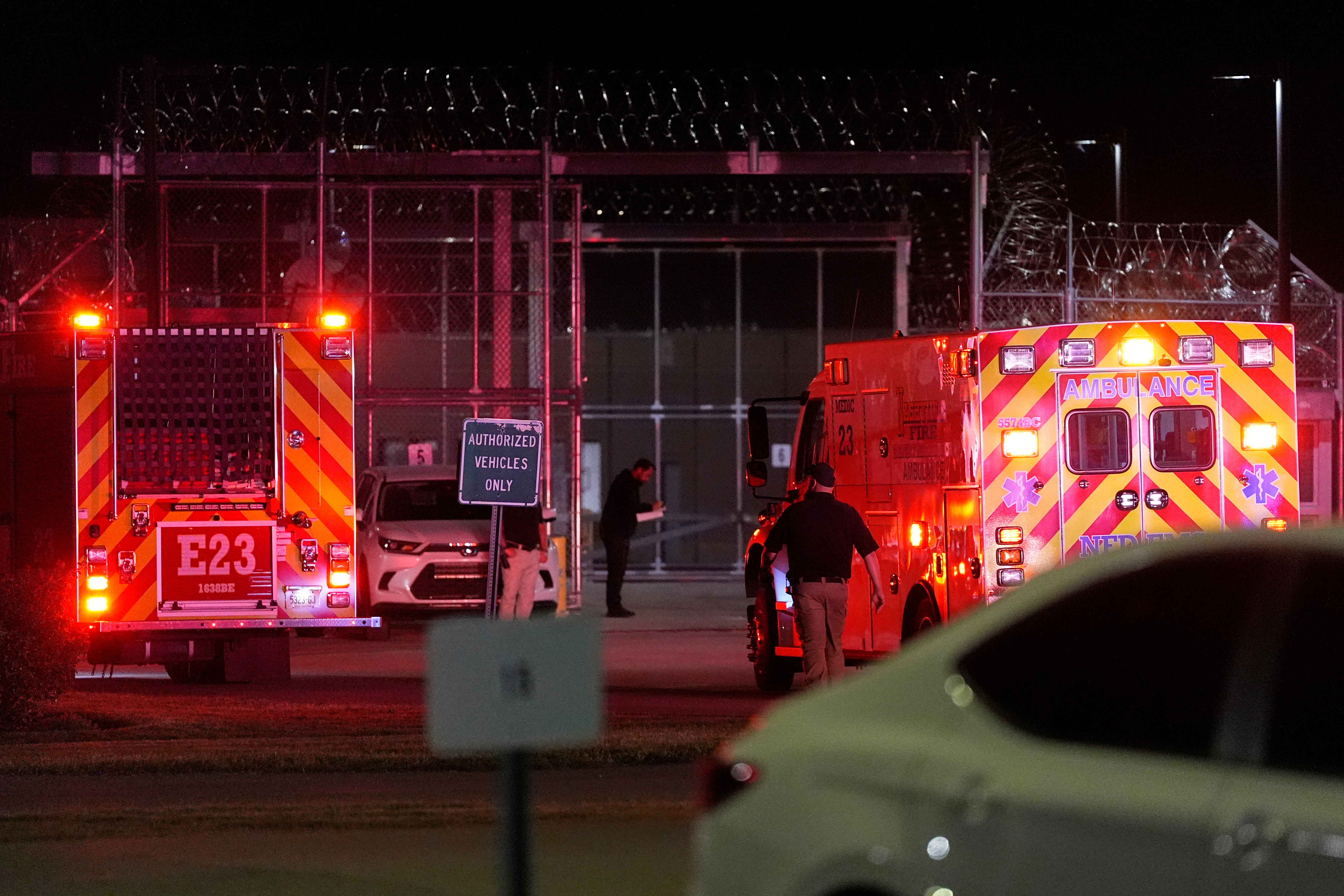
However, it provides context for why allegations of investigative and courtroom failures warrant careful examination, particularly when a death sentence is involved.
Zielinski said she believes the stakes extend beyond one inmate.
“Lives are ruined and families are destroyed,” she said, arguing that the “state was only creating more victims.”
She added that the public should demand accountability rather than assume every conviction is beyond question.
Sutton’s execution is now delayed while Tennessee examines what happened during Pike’s failed execution.
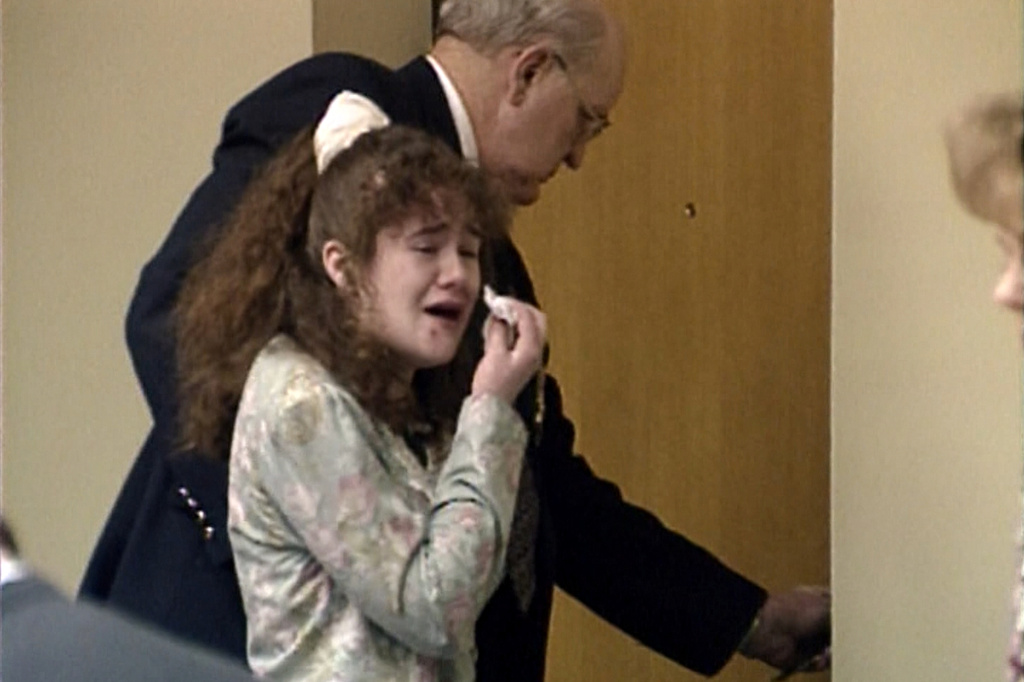
For Pike, the immediate struggle is different: recovering from an execution attempt that left her critically ill and facing an uncertain future.
On October 10, Pike was discharged from the hospital and transferred to a rehabilitation center inside the prison system, where she continued to receive medical care.
Her attorneys said her recovery was continuing, but the full extent of any lasting harm remained unclear.
For the state, however, the questions remain how the procedure failed despite earlier warnings and what safeguards, if any, must change before another execution proceeds.