Christa Pike awake with no memory of execution and thinks it's still September: Lawyer
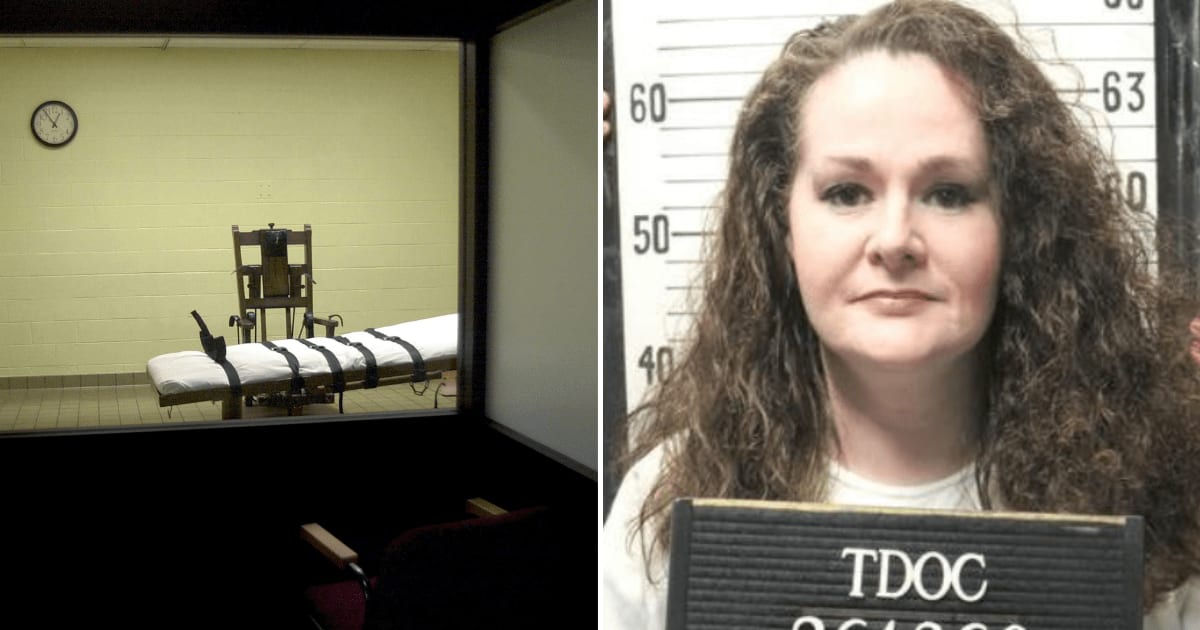
NASHVILLE, TENNESSEE: Christa Pike's condition has taken another unexpected turn days after Tennessee’s attempt to carry out her death sentence failed.
Her legal team, on Wednesday, October 7, revealed new details about what Pike is experiencing after regaining consciousness, raising fresh questions about both her recovery and what could happen to her sentence next.
The development comes as Pike remains under medical care following the failed lethal injection procedure, while her attorneys continue demanding answers from Tennessee over what happened.
ANOTHER CHRISTA PIKE UPDATE: We now have new details about her condition. Dr. Joel Zivot, who is consulting with Pike’s legal team, says she is off the ventilator, awake, communicating, knows her name and has some memories of being in the hospital. However, he says she does not remember the execution attempt and showed some confusion about time, reportedly believing it was still September. Pike remains in the ICU, and doctors still do not know the full extent of her recovery. Important: this information is coming from a physician consulting with her legal team — not a public medical statement from the hospital. #christapike #christapikeexecution #independentjournalism #trialcoverage
— Charista Snell (@charistasnell) October 7, 2026
Christa Pike remains confused after execution attempt
According to multiple media reports, Pike is awake and speaking but remains profoundly disoriented.
She reportedly knows her own name but believes the date is still sometime in September.
Reports also say she has no memory of the execution attempt itself.
That means Pike apparently does not recall the event in which Tennessee administered two doses of pentobarbital before the procedure was halted.
Her lawyers have described her as “angry and confused” since she regained consciousness.
The lawyer also revealed that Christa Pike asked about her team and the victim's family after she regained consciousness.
Pike’s attorneys updated her condition after appearing at a hearing where a judge ordered Tennessee to preserve all evidence from the failed execution.
They said that, as of Monday night, they believed she was brain dead and understood that life support would be withdrawn the following day.
Instead, they said, Pike unexpectedly woke up and began speaking.
“On Monday night it was our understanding that Christa was brain dead and that life support would be removed the next day. But on Tuesday, to the shock of everyone, Christa woke up and began talking,” her lawyer said. “I do not have an explanation for what happened between Monday night and Tuesday morning.”
Christa Pike’s attorneys said that as of Monday, they believed she was brain dead. They say Pike still cannot swallow and has not eaten, adding that both she and the people of Tennessee deserve answers about what went wrong with her execution. This comes after the Chancery Judge ordered the State of Tennessee to preserve all evidence. They ended on: "We have to ask, how much suffering is enough?"
— Lauren Conlin (@conlin_lauren) October 7, 2026
Her condition nevertheless remains extremely serious.
Her lawyers say Pike has pneumonia and a blood clot in one arm.
She reportedly cannot swallow or eat and cannot move either arm.
Both arms and hands are described as severely swollen, with doctors still unable to determine how much movement or function she may eventually regain.
Christa Pike's mental state could affect her future
Pike’s confusion could become particularly significant if Tennessee eventually seeks another execution date.
The Supreme Court has previously ruled that the Constitution does not permit the execution of someone whose mental impairment prevents them from understanding that they are being put to death and why.
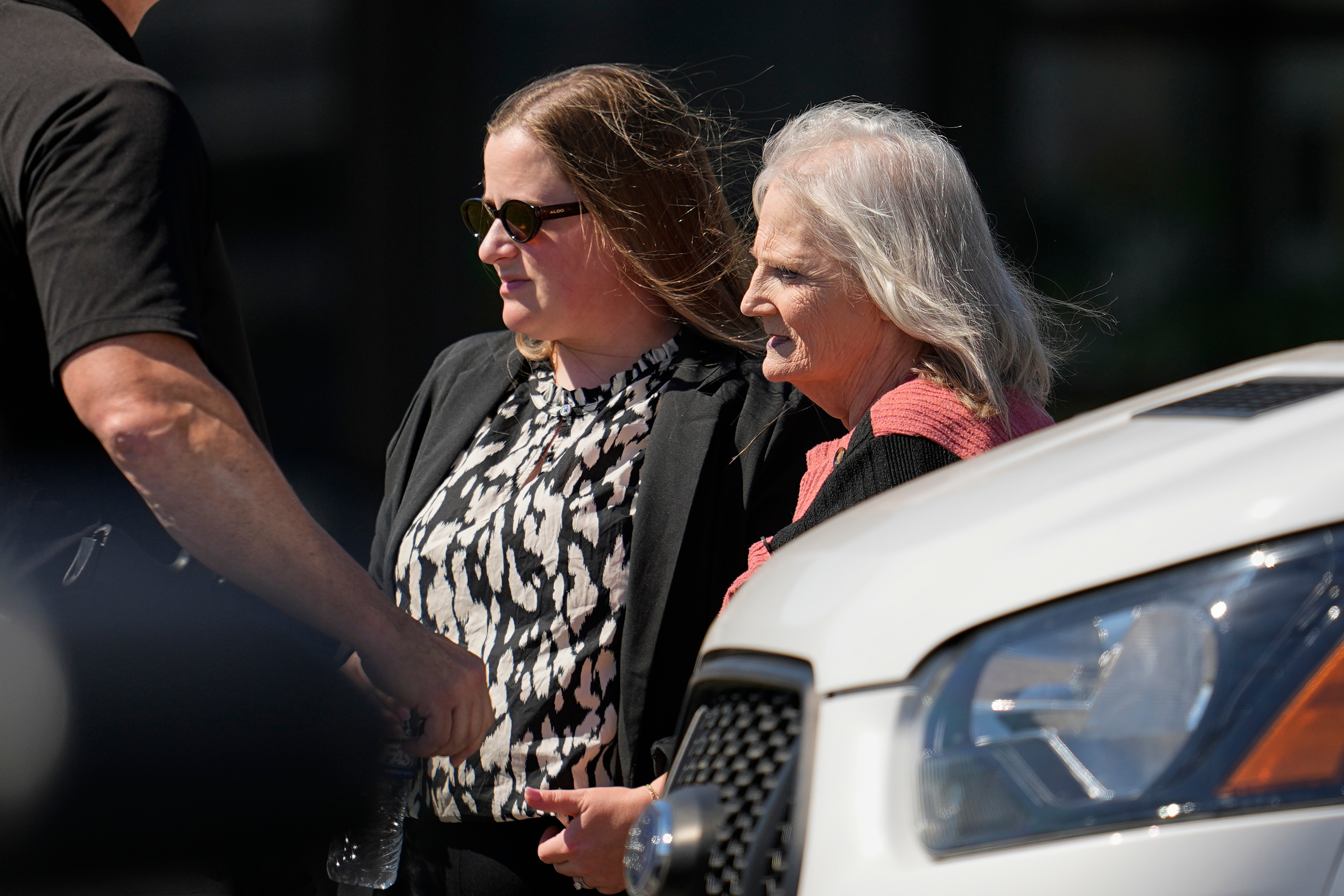
Pike’s attorneys have not established that her current condition meets that threshold.
But if her cognitive problems persist, questions about whether she understands her conviction, sentence and the state's attempt to execute her could become part of any future legal proceedings.
That issue may never arise if Tennessee ultimately chooses to commute her sentence to life without parole.