Christa Pike survives execution: What happened inside the chamber and what comes next?
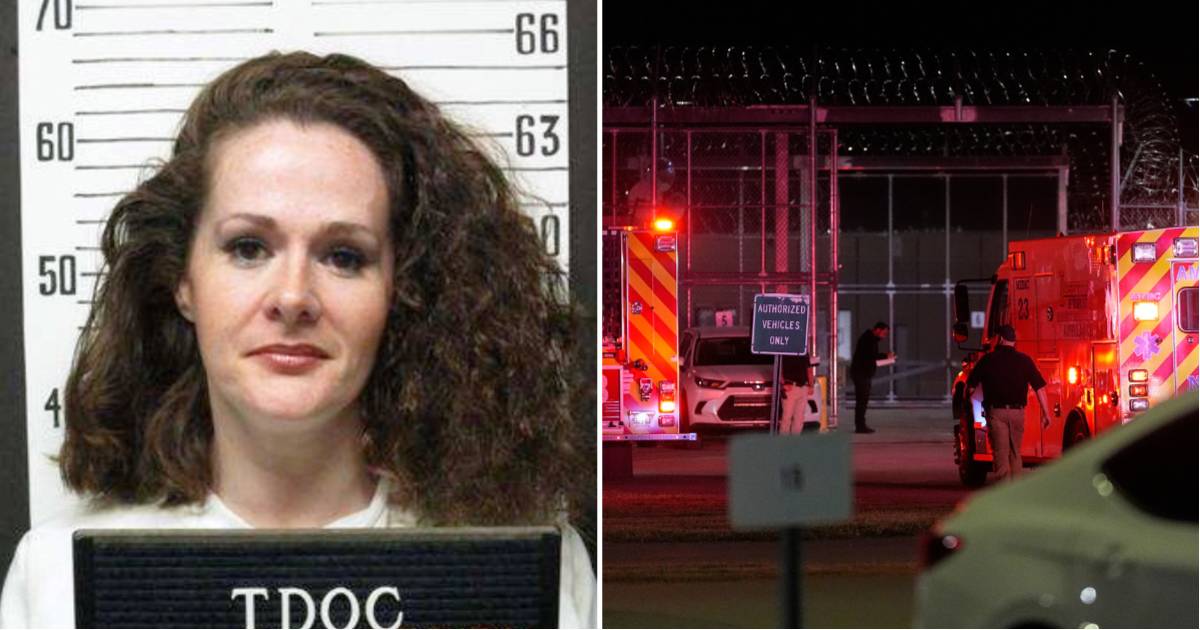
NASHVILLE, TENNESSEE: Christa Pike’s scheduled execution in Tennessee turned into an unprecedented medical and legal crisis after she survived two doses of the state’s lethal-injection on Wednesday, September 30.
The 50-year-old remained alive after the process, forcing officials to end the procedure and take her for medical treatment.
The episode came after a court battle over whether the execution could proceed and it now raises questions about what went wrong and what happens next.
CHRISTA PIKE: Gov. Bill Lee halted Tennessee’s only remaining scheduled execution of 2026 (Gary Wayne Sutton, Dec. 3) and ordered a third-party review after the state’s attempt to execute Christa Pike failed Wednesday night. The Tennessee Department of Corrections issued the… https://t.co/S7S4jx2qJJ pic.twitter.com/CiOV2QR1Ec
— Lauren Conlin (@conlin_lauren) October 1, 2026
Christa Pike survives lethal injection
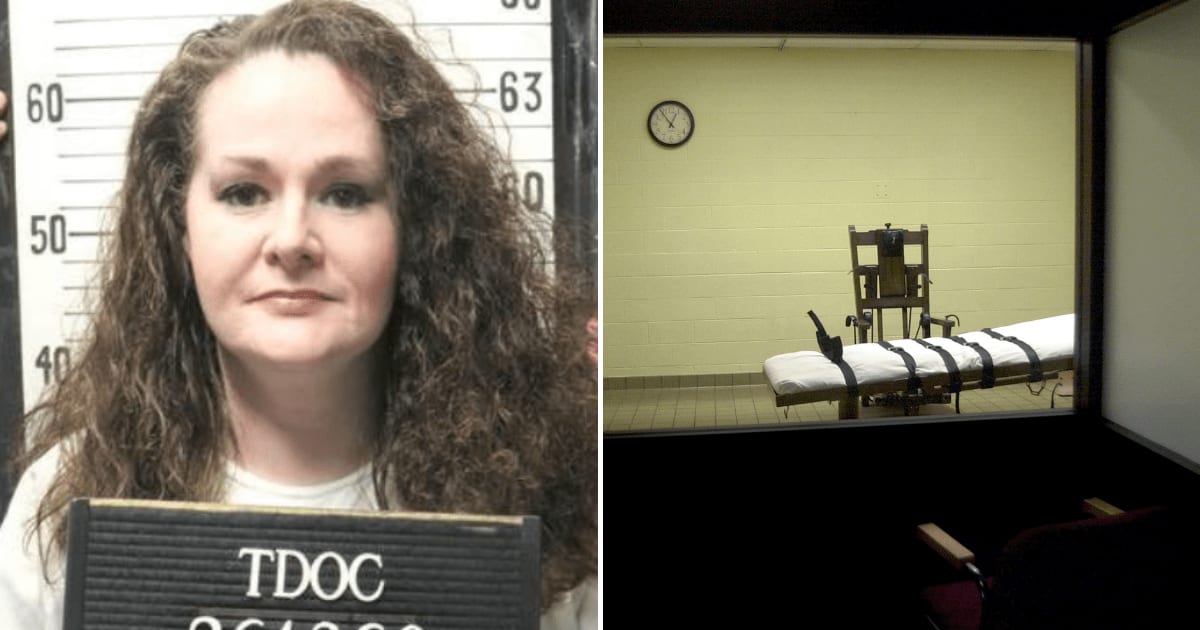
Pike was taken to the death chamber at Riverbend and placed on the execution gurney. Tennessee uses pentobarbital for its current lethal-injection procedure.
Unlike the other combinations used in some other US jurisdictions, the state’s protocol relies on this single dosage. Pentobarbital causes deep sedation.
At a lethal dose, it is intended to suppress the central nervous system sufficiently to bring about death.
The expectation in a properly functioning lethal injection is therefore straightforward: the prisoner should become unconscious after receiving the injection and subsequently die as the medication takes effect. That did not happen with Pike.
Media witnesses said the chamber curtains opened at around 7:26 p.m.
As the procedure progressed, Pike reportedly complained about intense discomfort in her arm.
A witness said Pike described a throbbing sensation and questioned whether what she was experiencing was normal. The video below shows witnesses talk about Pike's failed execution.
BREAKING: “I’ve witnessed, I believe, 5 executions in Tennessee. Nothing about today was normal, typical at all.”
— Fox News (@FoxNews) October 1, 2026
Shocking new details emerge from the failed attempt to execute Christa Pike, the 50-year-old inmate who has spent nearly 30 years on Tennessee’s death row.
At a… pic.twitter.com/gDofxP1Lz5
The curtains were then closed and reopened during the process.
According to reporting based on witness accounts and court filings, the execution team administered the initial set and later a second set after Pike had not died.
But Pike remained alive.
Witnesses outside the chamber reported hearing breathing and snoring after the injections.
Her lawyers subsequently told the courts that she still had a heartbeat after both sets had been administered.
Eventually, the execution was abandoned. Pike was transported from the prison to an outside medical facility.
The Tennessee Department of Correction said it had followed the state’s approved execution protocol.
The department also said the protocol does not authorize additional procedures beyond those already carried out.

Tennessee had another execution failure in May
Wednesday’s incident was not Tennessee’s first execution failure of 2026.
On May 21, officials attempted to execute Tony Carruthers, who had been sentenced to death for three killings committed in 1994.
That attempt was abandoned because the execution team could not establish the required intravenous access.
Carruthers did not receive the lethal injection. Gov. Bill Lee subsequently granted him a one-year reprieve.
The two cases have another important connection.
Dr. Mark Walton Fowler, who was involved in the medical procedure during Carruthers’ failed execution, was also involved in Pike’s execution.
Documents filed during litigation had already brought scrutiny to his experience with central-line procedures.
The fact that Tennessee experienced two failed execution attempts within months is likely to become a significant part of the state’s review.
💉TENNESSEE HAS NOW HAD TWO FAILED EXECUTION ATTEMPTS THIS YEAR.
— Lindsay 🇺🇸 (@TheLinzerShow) October 1, 2026
In May, Tony Von Carruthers’ execution was stopped after the medical team could not establish the required backup IV/central line.
Tonight, Christa Pike survived Tennessee’s lethal-injection attempt and was… pic.twitter.com/CknbbXTU9I
What happens to Pike now?
Pike’s failed execution does not automatically erase her death sentence. For now, she remains under that sentence while her lawyers challenge what happened and seek information about her medical condition and the execution procedure.
The immediate question is whether Tennessee can legally establish another execution date. That is far from a routine matter now.
Pike’s attorneys can argue that another attempt, following the administration of two lethal doses and the physical consequences of the failed procedure, would create additional constitutional problems.
The state, meanwhile, has not announced that Pike’s sentence has been commuted or that another execution attempt has been ruled out. What is clear is that Tennessee has paused its execution schedule.
Gov. Bill Lee ordered a third-party review following the Pike incident, and the state has said its remaining executions scheduled for 2026 will not proceed while the matter is examined.
That review will have to establish what happened inside the chamber, whether the execution protocol was followed correctly and why the procedure failed after the dose had been administered.
Pike’s case therefore moves into a new phase, one involving medical findings, an independent investigation and potentially another round of litigation over whether Tennessee can attempt to carry out the death sentence again.

For a prisoner who was expected to leave the execution chamber dead, the question now is no longer simply when Christa Pike will be executed. It is whether Tennessee can legally and practically attempt the execution again after what happened on September 30.
Christa Pike was convicted of the 1995 murder of 19-year-old Colleen Slemmer, a fellow Job Corps trainee in Knoxville, Tennessee.
Prosecutors said Pike and two accomplices lured Slemmer into a wooded area, where she was tortured and killed.
Pike was sentenced to death after being convicted of first-degree killing.