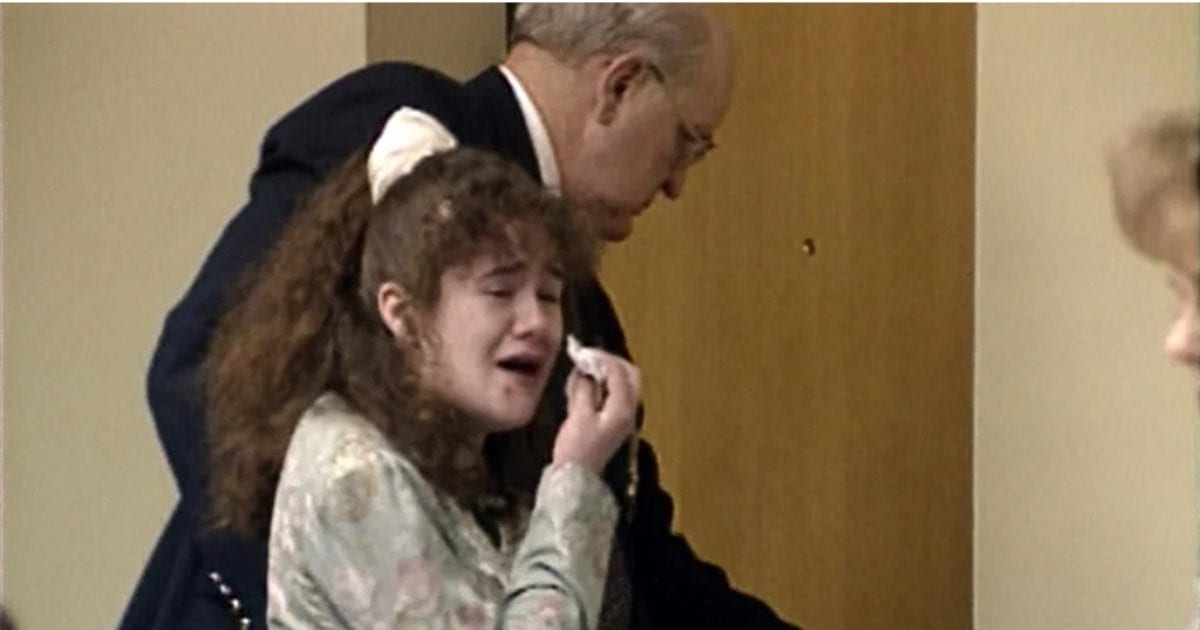
Christa Pike’s fate after botched execution revealed as Tennessee governor breaks silence

NASHVILLE, TENNESSEE: Christa Pike entered Tennessee’s execution chamber last month but, against all expectations, survived the attempt.
Now the one official with the power to rewrite her fate is signaling that he won’t.
Gov. Bill Lee, who leaves office in January 2027, suggested on Wednesday, October 28, that Pike’s sentence would likely remain unchanged unless the courts determined otherwise, leaving her legal team’s pleas for mercy unanswered for now.

Lee hints at Christa Pike's future
Lee addressed Pike’s future directly saying “as it related to a particular individual like Christa Pike and her crime, she’s still incarcerated under the laws of the state of Tennessee.”
He added “I suspect her sentence will be the same as before unless determined otherwise by the courts.”
Lee holds the constitutional authority to commute a death sentence in Tennessee, and Pike’s legal team had asked him to exercise that power.
Her lawyers argued that she had “endured punishment greater than any other person in the history of the American death penalty.”
Lee’s latest remarks suggest he expects her sentence to remain in place unless the courts intervene.
Following the failed execution, Lee paused scheduled executions in the state through the end of the year.
He also ordered an independent review into what went wrong, including how the Tennessee Department of Correction carried out the procedure.
Pike’s attorneys have since appeared in a Nashville court as they seek to prevent the state from attempting to execute her again.
Pike, meanwhile, has been discharged from the hospital and returned to the maximum-security prison where she has been held for more than three decades.

Pike's lawyers demand commutation
Pike’s lawyers filed a clemency petition with Lee on September 3, asking him to reduce her sentence to life in prison without the possibility of parole.
They argued that such a sentence would not absolve her of guilt but would hold her accountable for the rest of her life.
The petition cited repeated childhood trauma and untreated mental illness, arguing that Pike feels deep remorse following treatment for bipolar disorder and PTSD.
It stressed that these circumstances did not excuse the 1995 killing of Colleen Slemmer, a fellow Job Corps member, when Pike was 18. Lee denied the request days before the scheduled execution.
Her lawyers also argued in court that a blood disorder and hard-to-access veins could complicate the placement of an IV line. A special master rejected that claim in August.
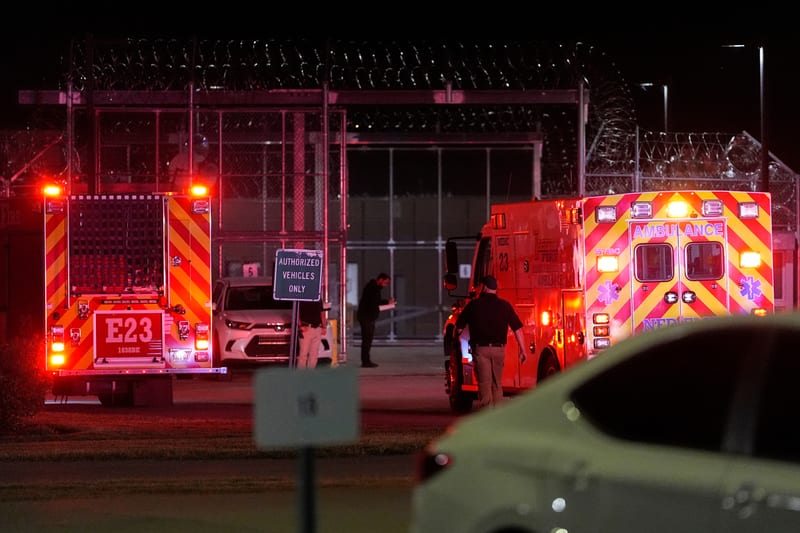
On September 30, officials at Riverbend Maximum Security Institution in Nashville gave Pike two doses of pentobarbital, but the execution attempt failed.
She was taken to a hospital in critical condition. Had the execution succeeded, she would have been the first woman executed in Tennessee in more than 200 years.
The executive director of the Death Penalty Information Center described the failed attempt as “the worst we've ever seen and unlike any other botched execution in the modern era.”
Pike was later reported to be awake and speaking before being discharged from the hospital. Frank Strada, the state’s prisons chief, subsequently announced his resignation.
Following Lee’s latest remarks, Pike’s future remains uncertain as her legal team continues to challenge the circumstances surrounding the failed execution.