The Bombardier battle: Why is Trump threatening Canadian aircraft giant?
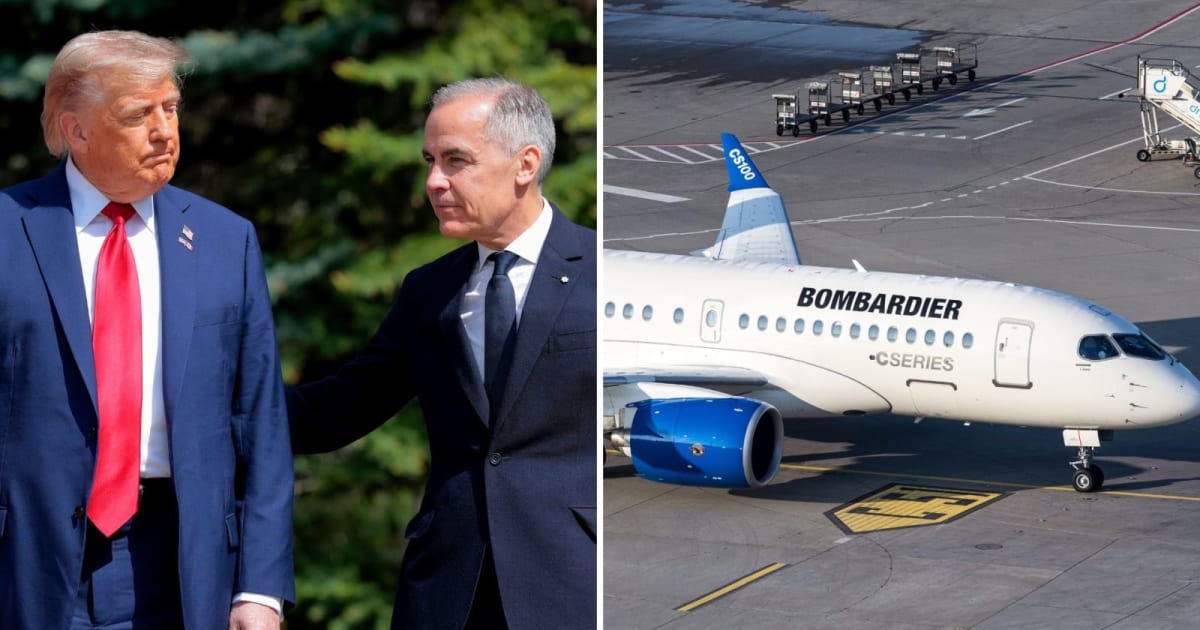
WASHINGTON, DC: President Trump threatened to block Canadian planemaker Bombardier's access to the US market on Monday, Sept 7, unless the company starts manufacturing aircraft on American soil.
Bombardier's shares dropped more than 6.5% in midday trading after the statement, which came a day before the latest retaliatory tariffs by Canada on American goods take effect.
What did Trump say?
US President Donald Trump said on Monday that Canadian private jet maker Bombardier would no longer be allowed to sell its planes in the United States unless it started manufacturing in the country.
NO MORE SELLING BOMBARDIER IN THE UNITED STATES! Their products aren’t good enough! Over 50% of their revenue comes from the United States — They live off American Buyers, American Companies, American Airports, and American Service — All while Canada blocks our GREAT American… pic.twitter.com/oIZZUbMkDx
— Commentary Donald J. Trump Truth Social Posts On X (@TrumpTruthOnX) September 7, 2026
"NO MORE SELLING BOMBARDIER IN THE UNITED STATES! Their products aren’t good enough!" Trump said in a post on Truth Social.
"If they want our Market, they must build here, and stop treating America like a 'piggybank',” he said.
Trump made the post as a trade dispute between Washington and Ottawa escalates, part of the near-global tariff wall in his second term that has drawn complaints from many US trading partners.

Trump did not specify a mechanism or timeline for the threatened ban. He made a similar decertification threat against Bombardier in January; that threat did not take effect after Canada certified competing Gulfstream aircraft models the following month.
Bombardier's position
The company makes the Global and Challenger business jets, which are popular among private owners, corporations and fractional ownership firms such as NetJets and Flexjet.
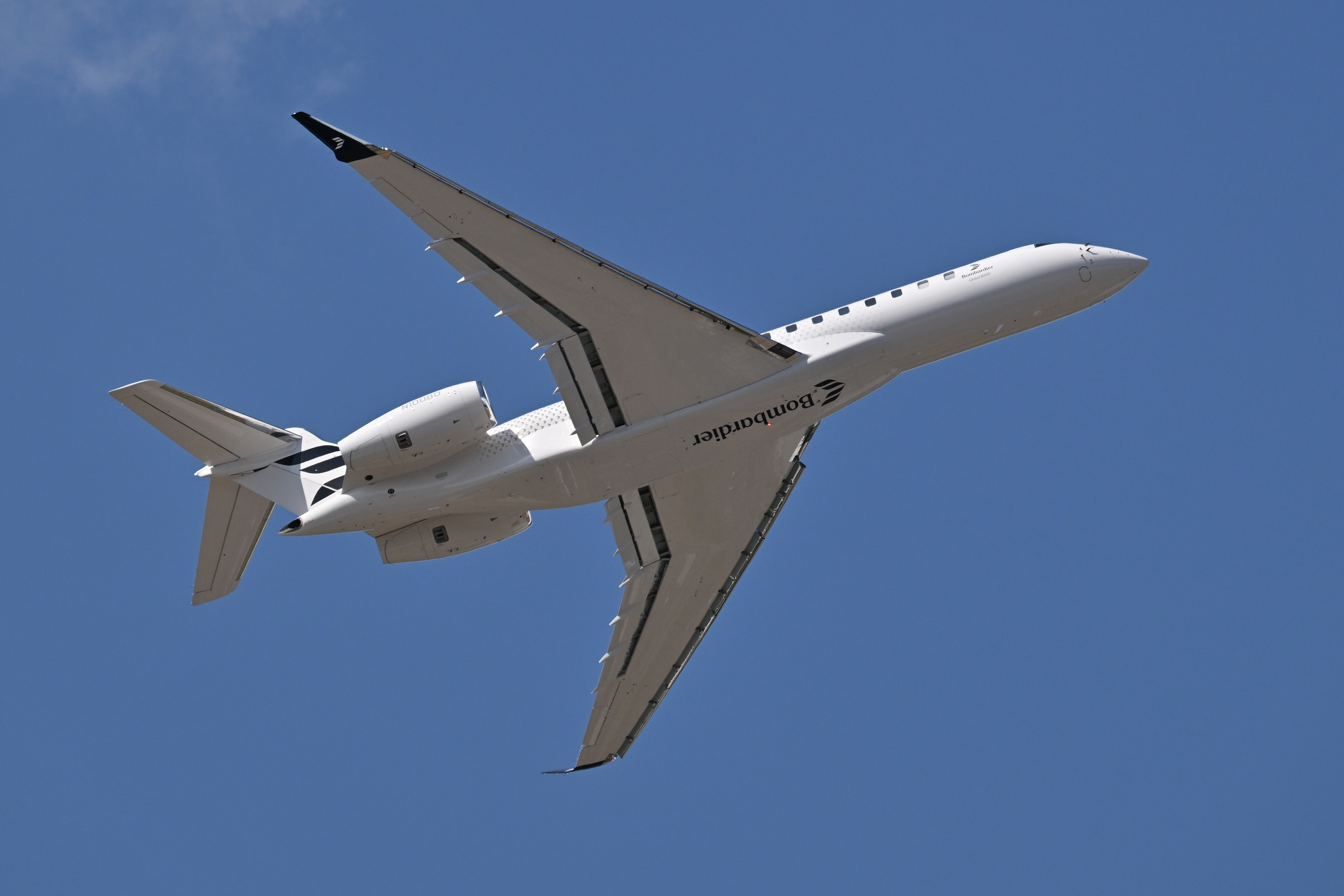
There are about 150 Bombardier Global Express aircraft currently registered and flying in the US, as Cirium data shows.
They are in service with 115 operators, the company said.
In a statement Monday, the planemaker described the US aerospace industry as a “clear winner on trade and exports” and said Bombardier was a “strong contributor to the sector.”
Sen Jerry Moran, R-Kan, said the Wichita plant employs more than a thousand people.
The company said it is creating tens of thousands of jobs across the US in an industry where the US is a “continual trade surplus winner.”
Donald Trump has warned Canadian aircraft company Bombardier that it will be no longer be permitted to sell its planes in the US unless it moves its manufacturing to the country.
— Sky News (@SkyNews) September 8, 2026
Read more: https://t.co/SQ5w0KWd2U pic.twitter.com/5m7pif4xHS
The planemaker added its workers are based all around the US, including sites in “Kansas, Texas, Arizona, Florida, Connecticut, Illinois, Delaware, California, Washington, DC and New Jersey.”
Context for Trump's threat
Trump's threat comes after US-Canada trade talks collapsed on Aug 21. US Trade Rep Jamieson Greer said Washington had offered to lower tariffs on steel, aluminium, autos and softwood lumber before talks broke down, and that Canada "wanted more."
Trump has separately accused Canada of blocking US aerospace company Gulfstream from doing business there, a claim he made in January when he first threatened tariffs on Bombardier aircraft.
Canada's retaliatory measures
Canada's latest set of retaliatory tariffs, which target roughly $20 billion in US goods including dairy, wine, wood products, furniture, cement and electronics, went into effect Tuesday.
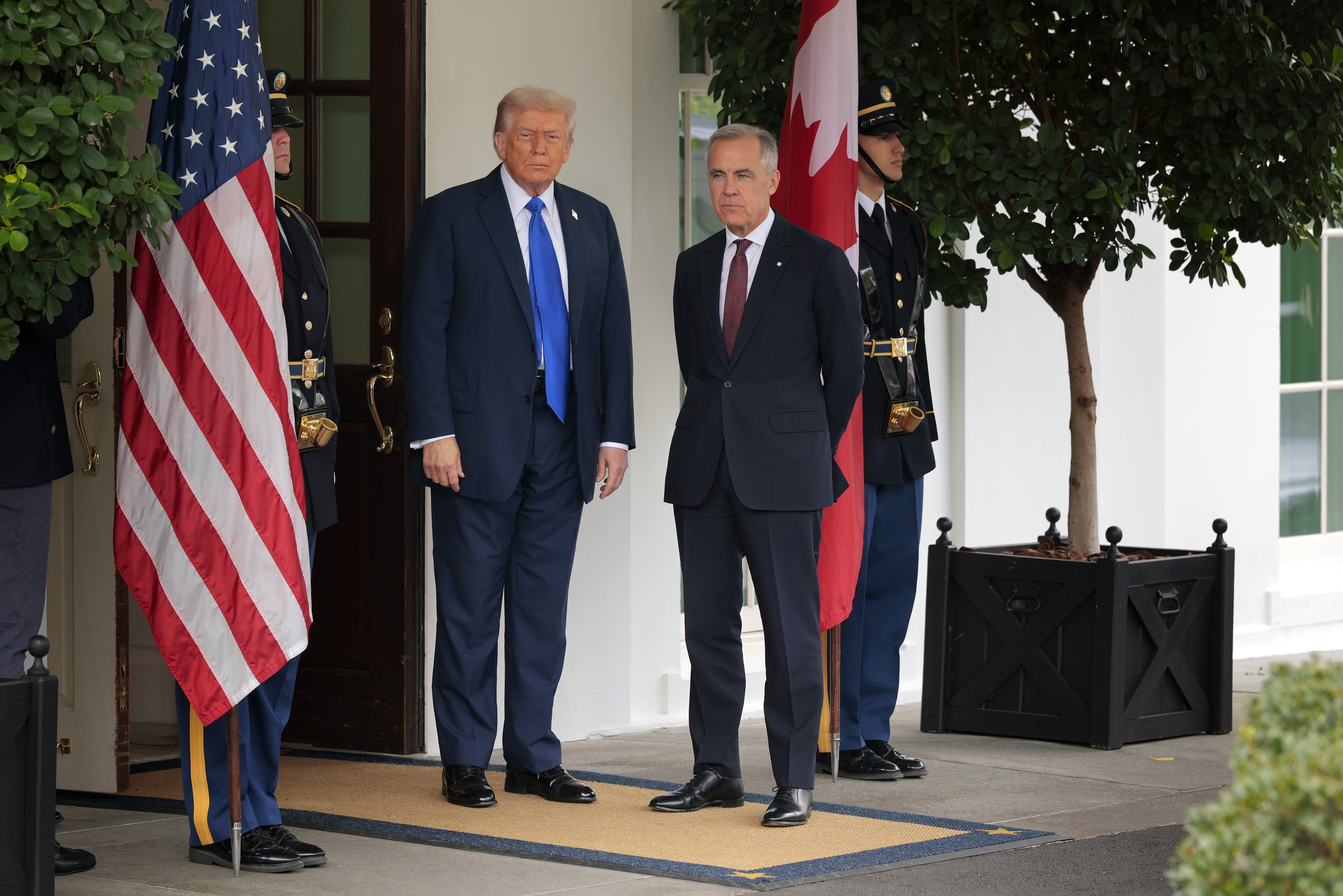
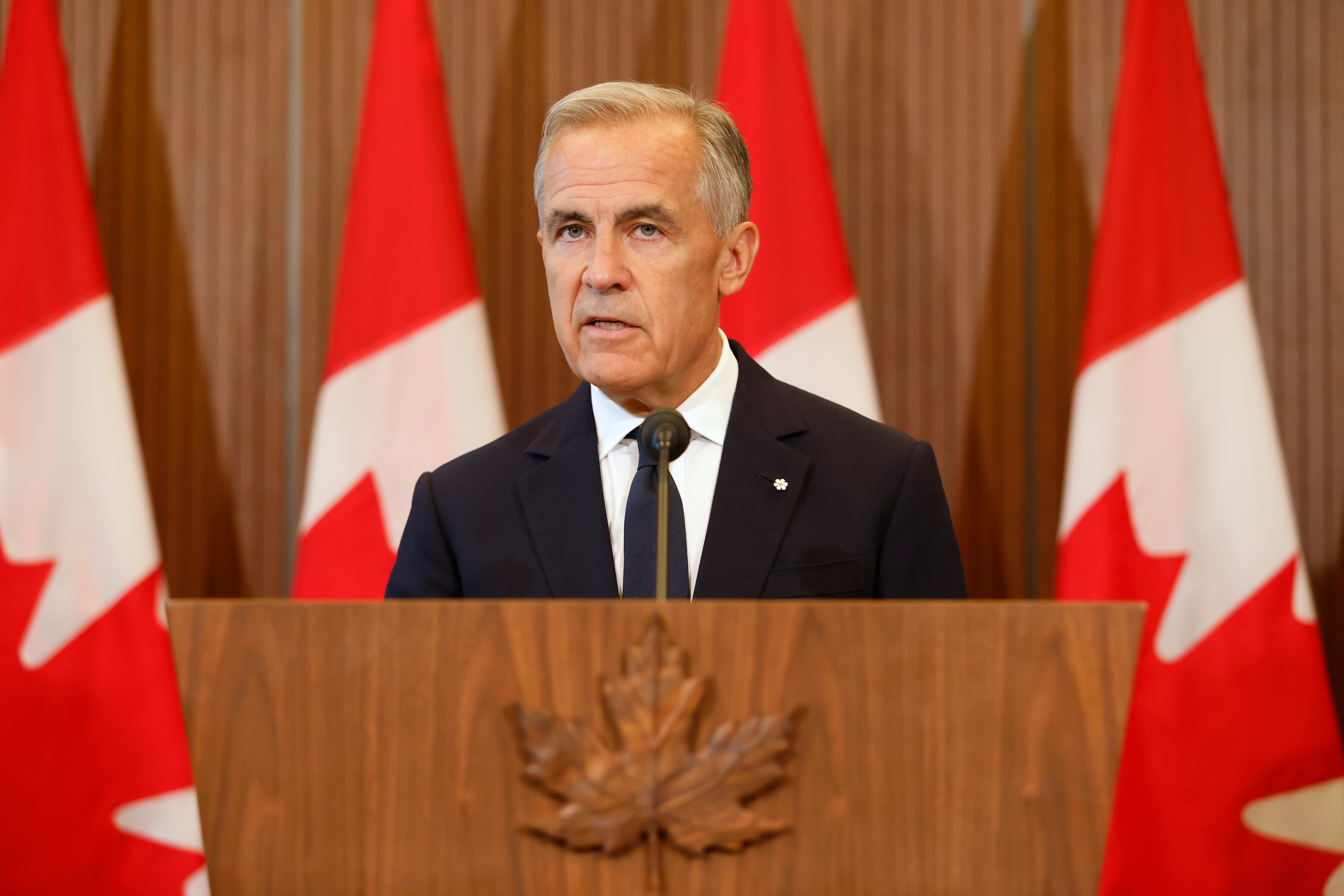
Canadian Prime Minister Mark Carney said ongoing US tariffs could hurt Canadian industries and the country's trade position.
More than 70% of Canadian exports go to the United States, according to trade data. Other Canadian industries subject to US tariffs include steel, on which exports have dropped by roughly half since duties as high as 50% were imposed; aluminium, on which exports are down about 50% from 2024 levels; and softwood lumber, on which exports were down roughly 20% from 2024 averages earlier this year.
Analyst commentary on the threat
Blocking a major manufacturer from the market would “undoubtedly” cause revenue and job losses at American parts producers, said National Bank analyst Cameron Doerksen.
“One would hope that large US aerospace suppliers would lobby on behalf of one of their most important customers; both GE Aerospace and Honeywell Aerospace supply engines to Bombardier,” he said in a note to investors. “Moving production to the US would not be a practical option.”
Bombardier’s US customer base also means a ban on sales would be “massively disruptive” to the many American jet fleet operators awaiting Bombardier deliveries, he said.
Whether Trump will follow through on his latest menacing statements remains up in the air, as does its legal legitimacy.
“It is not clear under what legal authority the US could ban a single importer at a whim,” Doerksen said.
The White House had yet to issue an official policy change on business jet sales as of Tuesday afternoon.
Trump claims Canada refused to certify Gulfstream jets for nine years to protect Bombardier until he threatened tariffs.
— Furkan Gözükara (@FurkanGozukara) September 3, 2026
"They got certified in two hours. I got a call from the Prime Minister: 'President, what seems to be the problem?' I said, 'Well, you have a little problem.'" pic.twitter.com/AiZ5aep6f8
The market also remains “structurally undersupplied,” with backlogs exceeding two years as demand for private planes soars, said Desjardins analyst Benoit Poirier.