'They didn’t show me any warrant,' during ICE arrest, mother of Karoline Leavitt’s nephew told CNN

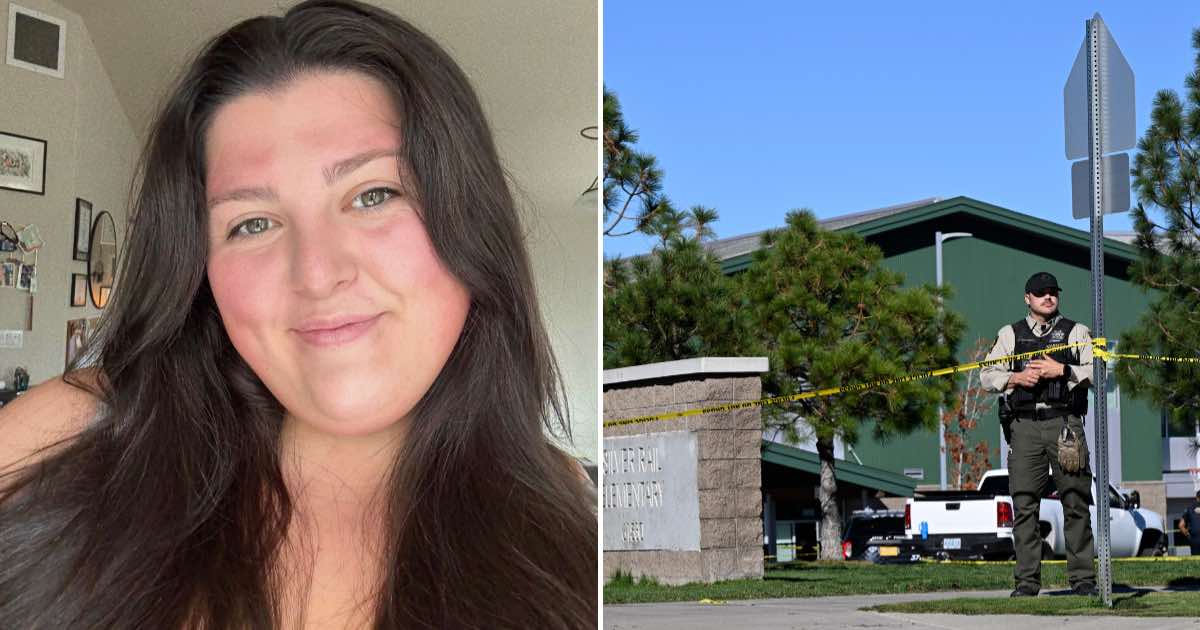
WASHINGTON, DC: Bruna-Caroline Ferreira, the mother of White House Press Secretary Karoline Leavitt's nephew, has spoken publicly about her arrest by US Immigration and Customs Enforcement (ICE), saying she was detained without a warrant and taken away in an unmarked vehicle.
Ferreira shared her account in an interview with CNN’s 'Erin Burnett OutFront,' weeks after an immigration judge set a bond that led to her release from ICE custody. While she is no longer detained, her case has continued to draw attention because of her familial connection to a senior White House official and the broader context of heightened immigration enforcement.
Bruna-Caroline Ferreira says ICE had no warrant during arrest
Ferreira said she was arrested last month while driving to pick up her son from school. According to her account, ICE officers stopped her, asked her name, and did not present a warrant before taking her away.
Mother of Karoline Leavitt’s Nephew speaks out after ICE arrest: I think what I would have to say to Karoline is just because you went to a catholic school doesn't make you a good catholic. pic.twitter.com/WCuDgeZ1KB
— Acyn (@Acyn) December 13, 2025
“They asked me, ‘Is your name Bruna?’” Ferreira told Burnett. “And I just asked, ‘Well, how do you know who I am?’”
She described being surrounded by what she called a “swarm of people” and placed into an unmarked vehicle. Ferreira said she was not told where she was being taken and was moved across multiple states during her detention.

CNN reported that the Trump administration has described Ferreira as a “criminal illegal alien” who overstayed a tourist visa. Ferreira’s attorney disputes that characterization, saying she has been pursuing legal permanent residency for years and is protected from deportation under an Obama-era immigration policy.
Attorney Todd Pomerleau claims arrest was premeditated
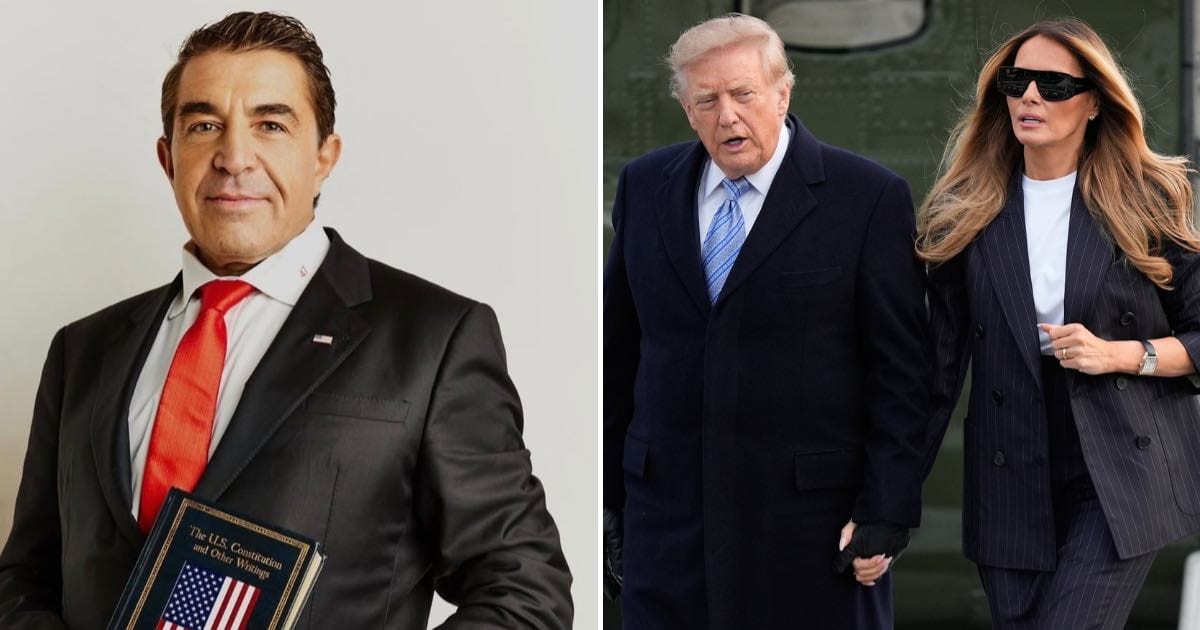
Ferreira’s attorney, Todd Pomerleau, said ICE officers initially treated the encounter like a routine traffic stop. He alleged that no warrant was shown at the time of arrest and that one appeared only hours later, after Ferreira had already been transferred to another state.
“At first, they played dumb and acted like it was a traffic stop,” Pomerleau said. “They didn’t show any warrant, and then apparently, they manufactured a warrant when she was in Vermont several hours later, which is highly unusual.”
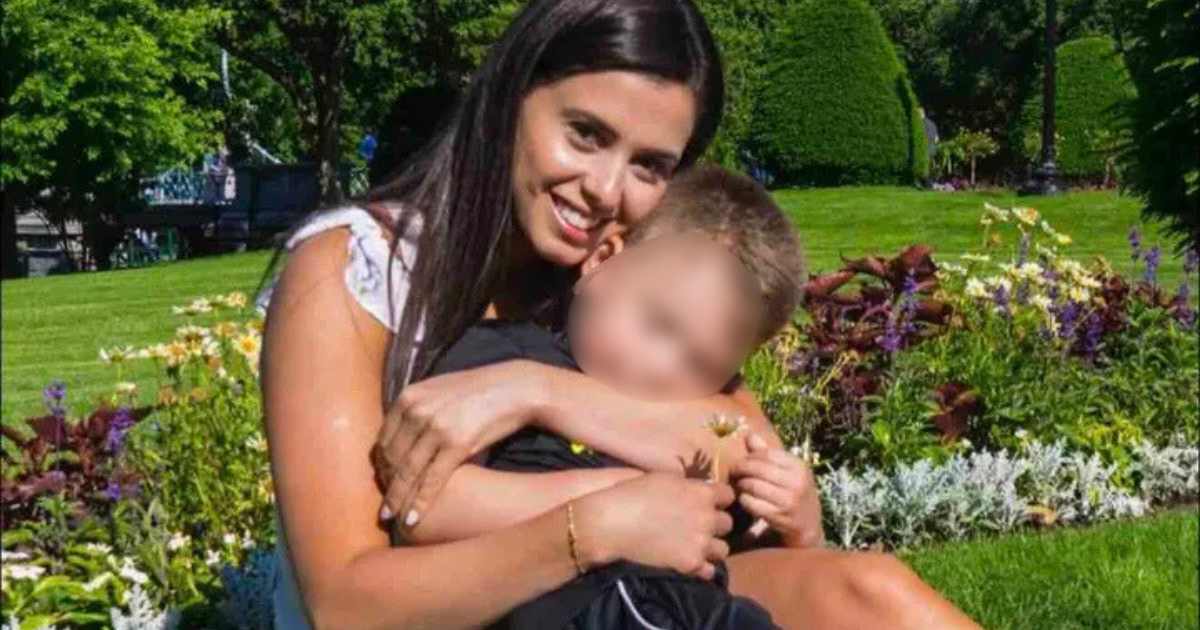
Burnett responded by suggesting the arrest appeared targeted, a characterization Ferreira agreed with. She described the operation as “premeditated” and “very organized,” adding that it seemed authorities knew exactly where she would be.
Ferreira describes detention, transfers, and separation from son
Ferreira said she was frequently moved while in custody and was not always informed of her location. She added that she was unable to communicate with her family for 26 days.
“I’m heartbroken for my son,” she said, expressing concern about the media attention surrounding her case. “As a child, he must be terrified.”
Ferreira shares custody of her son with Leavitt’s brother, to whom she was engaged roughly a decade ago. She said that after her release, she was placed on a GPS monitor, which she described as unlawful.
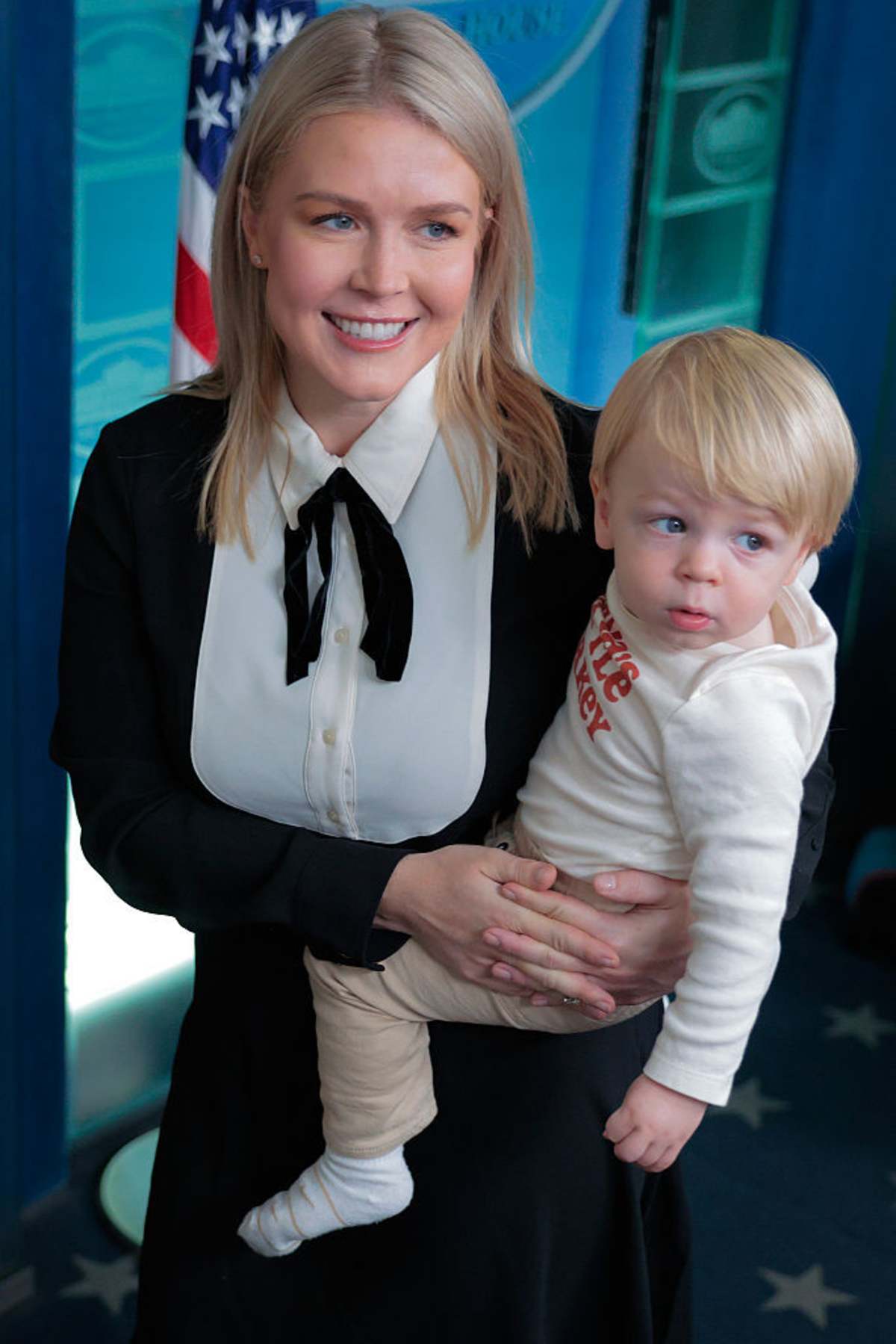
“I tried to see my son,” she said. “However, they put me on a GPS monitor unlawfully. It has to end somewhere.”
Pomerleau emphasized that Ferreira’s family ties should not influence how her case is handled. “It shouldn’t matter who she’s related to or not,” he said. “People are entitled to due process under the law.”
Ferreira has lived in the United States since 1998, when she arrived from Brazil at the age of six. Her immigration case remains ongoing.