Tim Walz admin offering taxpayer-funded medical leave to people tear gassed during anti-ICE protests
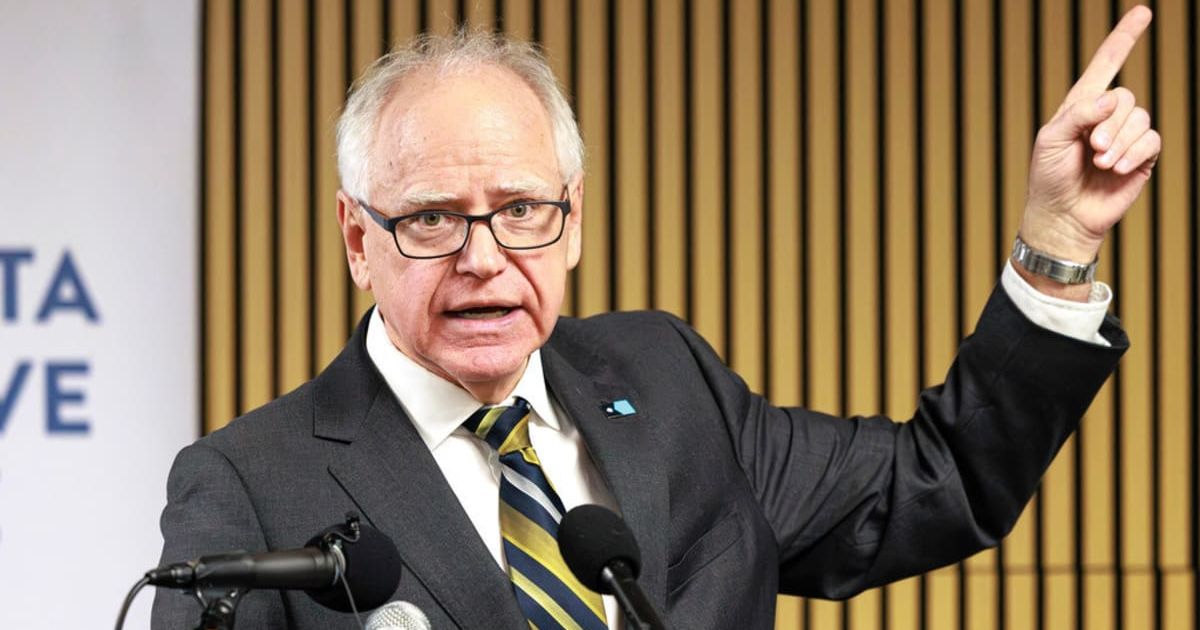
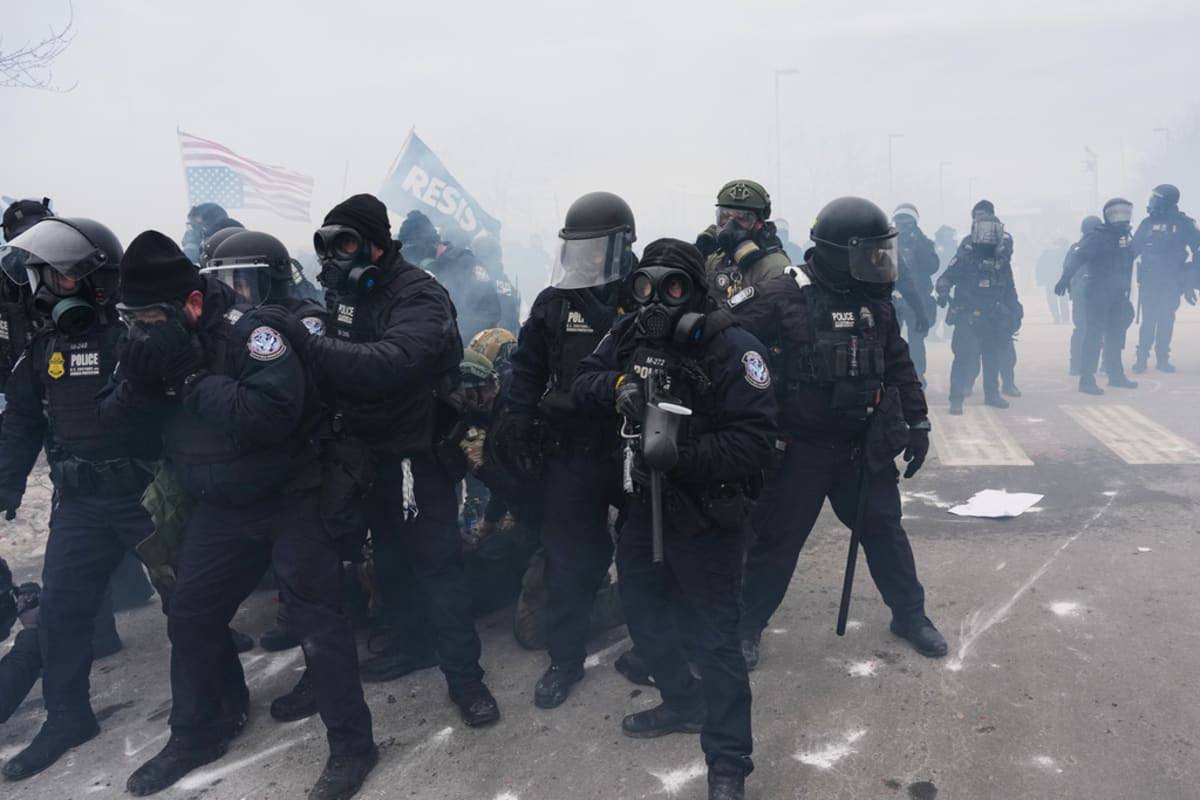
MINNEAPOLIS, MINNESOTA: Two members of Democratic Minnesota Gov Tim Walz’s administration acknowledged during a Tuesday, February 24, hearing that some applicants cited injuries tied to anti-ICE demonstrations when applying for Paid Family and Medical Leave.
The admission came when Democratic Minnesota State Rep Cedrick Frazier pressed Deputy Commissioner Evan Rowe of the Minnesota Department of Employment and Economic Development on whether protesters had pointed to “harm and damage” from “chemical munitions” as grounds to “access” benefits.
“The short answer to your question is yes,” Rowe replied.
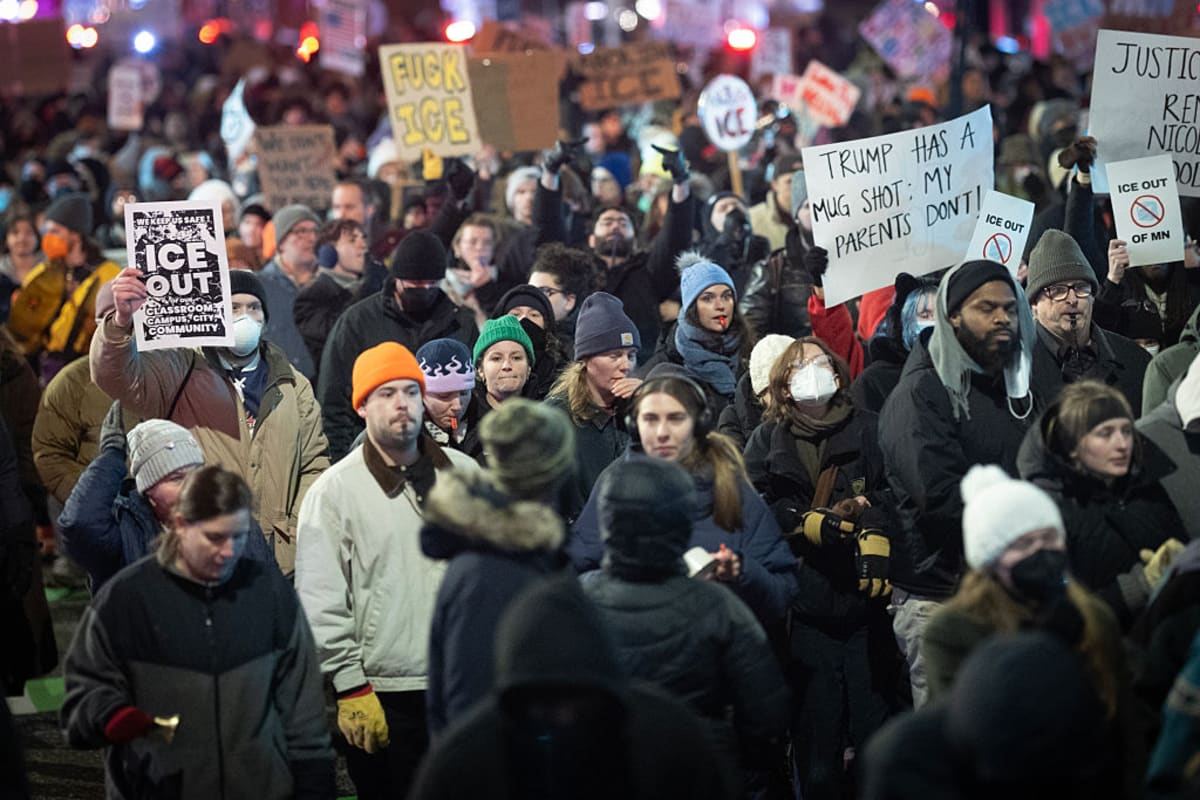
WOW: The Walz Administration just said rioters are using Minnesota’s Paid Family Medical Leave program to take up to 12 weeks off of work, paid for by the taxpayers, after being tear-gassed.
— MN House GOP Rapid Response (@MNHRCWarRoom) February 24, 2026
“The short answer to your question is yes… we have seen applications that have been… pic.twitter.com/9XpdVO2xwt
Minnesota sees paid leave applications tied to anti-ICE protests
Rowe said the state had seen applications linked to unrest connected to Operation Metro Surge, the Trump administration’s immigration enforcement operation in Minnesota.
“As would any circumstance that causes injury or harm to the public, I think we have seen applications that have been tied to some of the violence that we saw as a result of Operation Metro Surge,” the deputy commissioner said.
He added that injuries tied to such events were not entirely surprising under the framework of the program.
“As you would expect of people who suffered serious injury … I guess it’s not unexpected … but that is, I think, one benefit of having this program is that people who have been seriously injured now have the ability to receive, take time for care. I don’t know if there’s any additional details,” Rowe said.
Minnesota Paid Family and Medical Leave Program Director Greg Norfleet, a Walz appointee, confirmed there was documentation backing that up.
“It’s relatively hard to quantify, but we do have evidence from calls to our contact center, through references on serious health care condition forms that specifically reference Operation Metro Surge as a contributing factor to the need for leave,” Norfleet said.
He cited “questions from the community, including individual applicants, health care providers, and insurers, all of whom have asked about how the program interacts with conditions that come out of the impacts of Operation Metro Surge.”
“So, we do know that this has had an impact on the claims that have come in, but it is relatively hard to quantify,” Norfleet added.
What the Minnesota program pays and the backdrop
Under Minnesota’s paid leave program, approved applicants can take up to 12 weeks per year for either medical or family leave, according to the state website. Those who qualify for both in the same year can combine them for up to 20 weeks annually.
“Leave can be taken continuously, in one block of time, or intermittently, in smaller blocks of time,” the website states. “Most people will receive between 55% and 90% of their regular wages while on leave, with a maximum amount set at the state’s average wage. Right now, this is $1,423 per week.”
This comes as Minnesota has been under federal scrutiny in recent months following reports of a sweeping Covid-19 relief and welfare fraud scheme in which the vast majority of the charged perpetrators were reportedly of Somali descent.

Shortly after those allegations surfaced, the Trump administration’s Department of Homeland Security launched Operation Metro Surge in December.
The following month, federal agents fatally shot Renee Nicole Good and Alex Pretti during immigration operations within weeks of each other in Minneapolis. Their deaths sparked anti-ICE protests in Minnesota and several other states.