Treasury secretary says Americans may get $1K-$2K refunds in 2026 because of Trump's tax cuts
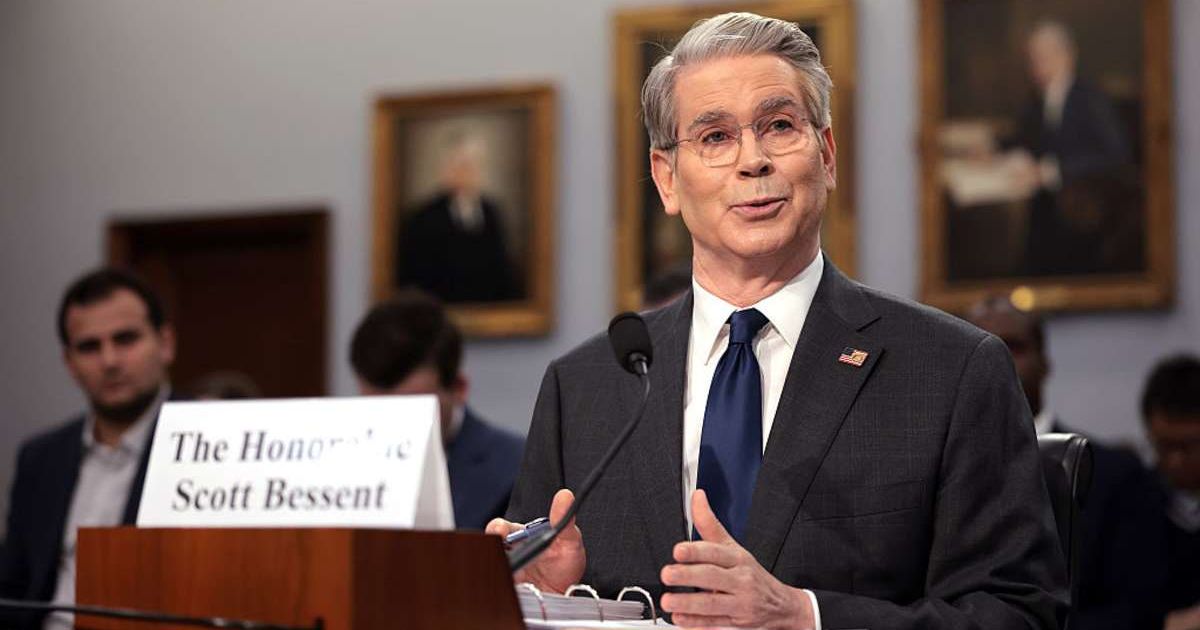
WASHINGTON, DC: Millions of Americans could be in for an unexpectedly large tax refund next year, with Treasury Secretary Scott Bessent predicting what he called a “gigantic” refund season as a result of President Donald Trump’s sweeping tax overhaul.
Speaking on the 'All-In Podcast' recently, Bessent said households may see refund checks ranging from $1,000 to $2,000 when they file their 2025 returns in early 2026. The windfall, he explained, stems from Trump’s One Big Beautiful Bill Act (OBBBA), signed into law in July, which applied several tax cuts retroactively to the beginning of the year.
🚨 BREAKING: Treasury Sec. Scott Bessent Drops BIG News 🚨
— Daily Beltway (@DailyBeltway) December 27, 2025
Treasury Secretary Scott Bessent says Americans are headed for a GIGANTIC refund year in Q1 2026, noting that working Americans didn’t change their tax withholding.
🇺🇸 This is HUGE. 🇺🇸#Breaking #ScottBessent #IRS… pic.twitter.com/pK48E4WzQz
Scott Bessent predicts major refund season after retroactive tax cuts
Bessent, who also serves as the acting commissioner of the Internal Revenue Service, said most workers did not update their tax withholdings after the law passed, meaning they continued paying higher taxes throughout the year than required under the new rules.

“I can see that we’re gonna have a gigantic refund year in the first quarter because working Americans did not change their withholdings,” Bessent told the podcast hosts. “I think households could see, depending on the number of workers, $1,000-$2,000 refunds.”
Because the withholding tables were never adjusted midyear, taxpayers did not feel the benefits of the cuts in their weekly paychecks. Instead, Bessent said, those savings are now set to arrive in a single lump sum when tax returns are filed.
Tax Foundation backs Treasury secretary’s outlook on higher refunds
Bessent’s forecast aligns closely with a December 17 report from the Tax Foundation, a nonpartisan tax policy nonprofit, which found that refunds in the upcoming filing season are likely to be significantly higher than usual.
“Refunds will be larger than typical in the upcoming filing season because of the One Big Beautiful Bill Act’s tax cuts for 2025,” the organization said in its analysis.

According to the report, the OBBBA reduced individual taxes by an estimated $144 billion for the 2025 tax year. Outside estimates cited by the foundation suggest that as much as $100 billion of that amount could ultimately be returned to taxpayers in the form of higher refunds.
While not every filer will see a dramatic increase, the Tax Foundation said the law could boost the average refund by as much as $1,000, depending on household income, filing status and deductions claimed.
The Tax Foundation explained that the timing of the legislation played a crucial role in shaping the refund surge.
“But because the IRS did not adjust withholding tables after the law passed, workers generally continued to withhold more taxes from their paychecks than the new law required,” the group wrote. “As a result, instead of gradually receiving the benefit of the tax cuts through higher take-home pay during the year, most taxpayers will receive it all at once when they file their returns.”
For many households, that could mean a noticeable financial boost at the start of 2026 rather than incremental gains throughout 2025.
Key tax changes under Trump’s One Big Beautiful Bill Act
The Tax Foundation identified seven major tax provisions under the OBBBA that could contribute to higher refunds. These include an expanded child tax credit, an increased standard deduction, and a higher cap on state and local tax (SALT) deductions.
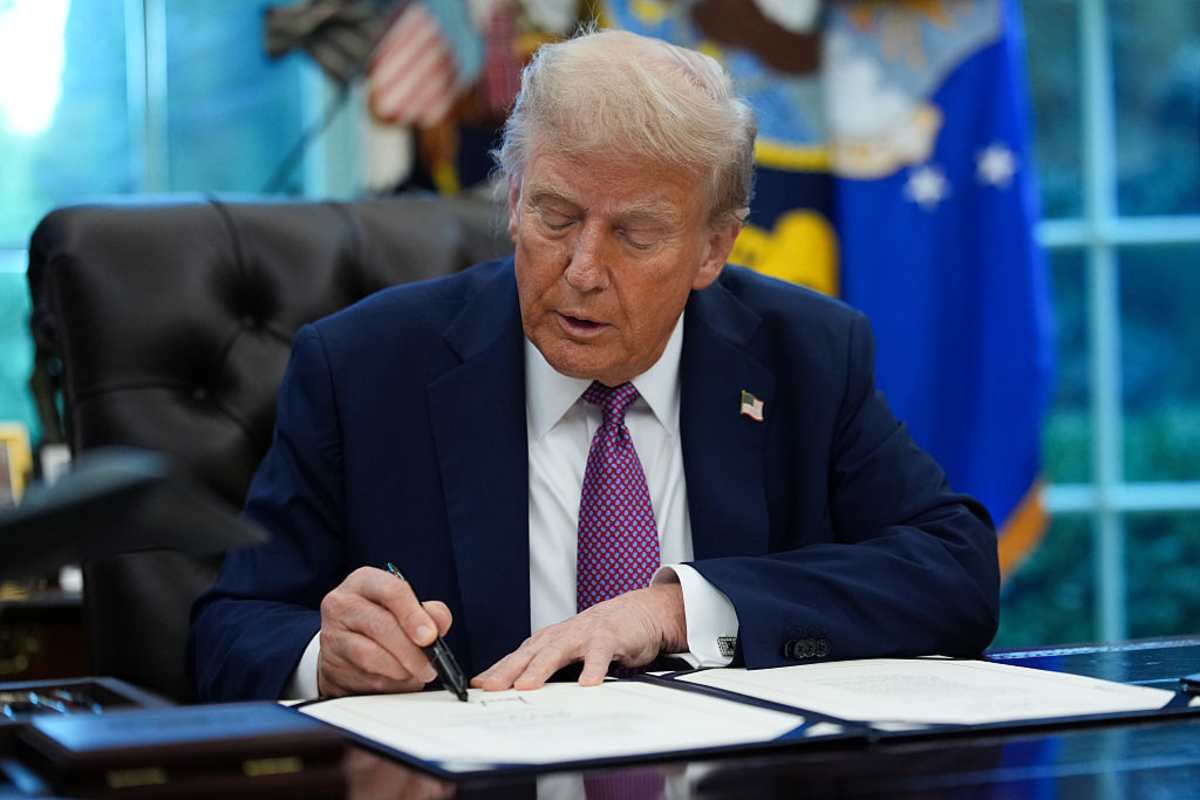
Additional provisions include new or expanded deductions for seniors, deductions for auto loan interest, and tax relief for tip income and overtime pay — measures the Trump administration framed as targeting working and middle-class Americans.
Taken together, Treasury officials and tax analysts say the changes could reshape refund expectations for millions of filers.