Trump admin ends federal Medicaid funding for youth gender care: 'Barbaric surgeries'

WASHINGTON, DC: The Trump administration on Tuesday, August 11, finalized a rule barring federal Medicaid and Children’s Health Insurance Program funding for gender-affirming care for minors, including puberty blockers, hormone treatments, and surgeries.
The policy is scheduled to take effect on October 13 and applies to children under 18 enrolled in Medicaid and those under 19 covered by CHIP.
President Donald Trump has said he directed Centers for Medicare and Medicaid Services Administrator Dr Mehmet Oz to implement the change. The rule does not prohibit the treatments themselves but prevents states from claiming federal funding for them through Medicaid and CHIP.
Trump administration defends Medicaid funding ban
Trump said in a post on Truth Social that the administration would not fund what he described as “barbaric surgeries and practices” involving minors and said the treatments could cause “unthinkable and irreversible harm to their young bodies.”
Oz similarly defended the policy, saying, “children deserve our protection, not experimental interventions that can have dangerous lifelong consequences."
"These procedures, including puberty blockers, cross-sex hormones.. can carry serious risks, including infertility, diminished bone density, altered brain development, and other irreversible effects.”
When it comes to our children, their long-term health must come first.
— Dr. Oz CMS (@DrOzCMS) August 11, 2026
Following evidence and HHS review, CMS has finalized a rule ending federal Medicaid and CHIP funding for sex-rejecting procedures for minors.
Our children are our future — and caring for them is one of our… pic.twitter.com/q4Wf5VIzeK
The final rule cites what the administration describes as limited evidence supporting pediatric gender-affirming medical interventions and references a 2025 Department of Health and Human Services report, as well as a review from the United Kingdom.
The administration said the rule would affect federal funding under Medicaid and CHIP, programs that together cover about 35.5 million children in the United States.
CMS estimates the policy will reduce combined Medicaid and CHIP spending by about $235 million over 10 years, including approximately $138 million in federal funds and $97 million in state funds.
The administration has also made the policy part of a broader effort to restrict federal support for gender-affirming care. At least 27 states have already enacted restrictions on such care for minors, while a number of major hospitals have stopped providing some of these treatments.

The rule includes a six-month transition period for minors who were already receiving hormone treatment through Medicaid or CHIP when the policy takes effect. It does not provide the same continuation period for surgeries or puberty blockers.
Trump has also urged voters to remember the policy during the November midterm elections.
Medical groups challenge Trump funding rule
The new rule is expected to face legal challenges from states and advocacy groups.
Democratic state attorneys general previously challenged an earlier version of the policy, arguing that the federal government was exceeding its authority and interfering with states’ ability to regulate medical care.
GLBTQ Legal Advocates and Defenders Legal Director Josh Rovenger said the rule “is putting up barriers between parents and their ability to make the best medical decisions for their children” and said it would face a legal challenge.
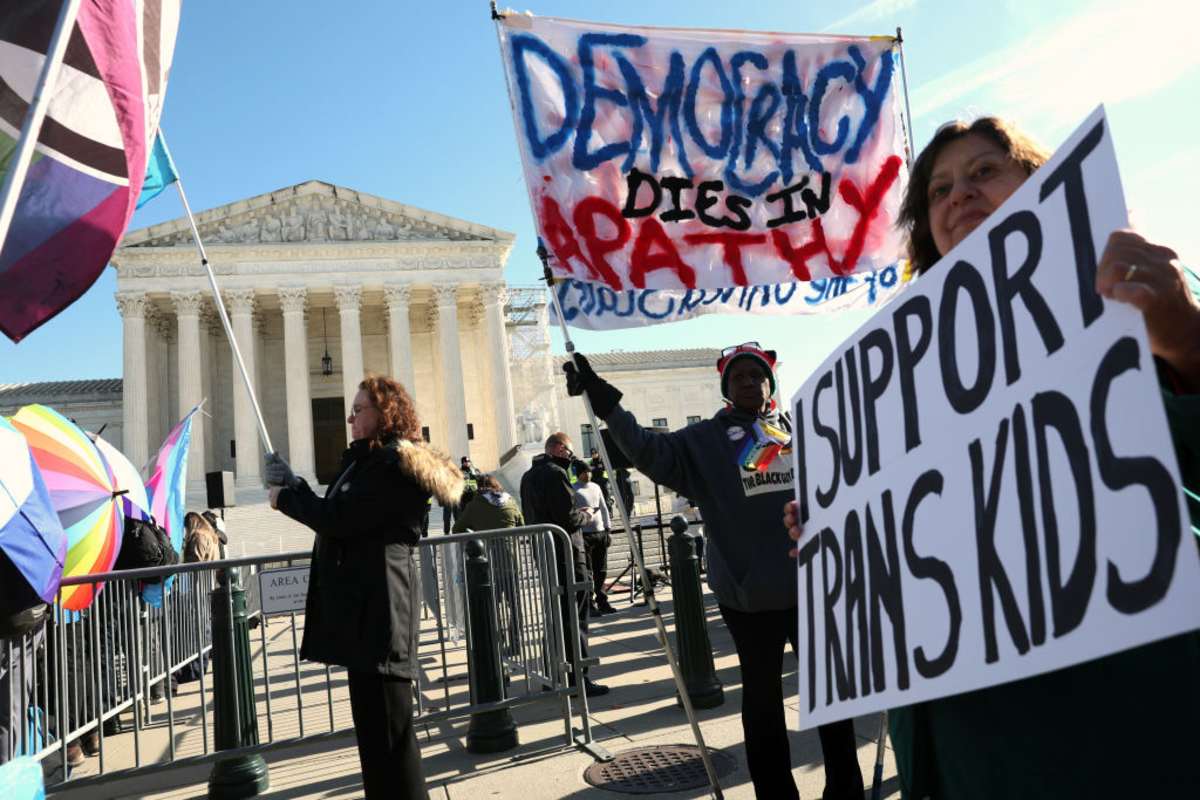
Human Rights Campaign President Kelley Robinson also criticized the policy, saying the administration is threatening "trans youth and their families with these kinds of actions, and it has to stop.”
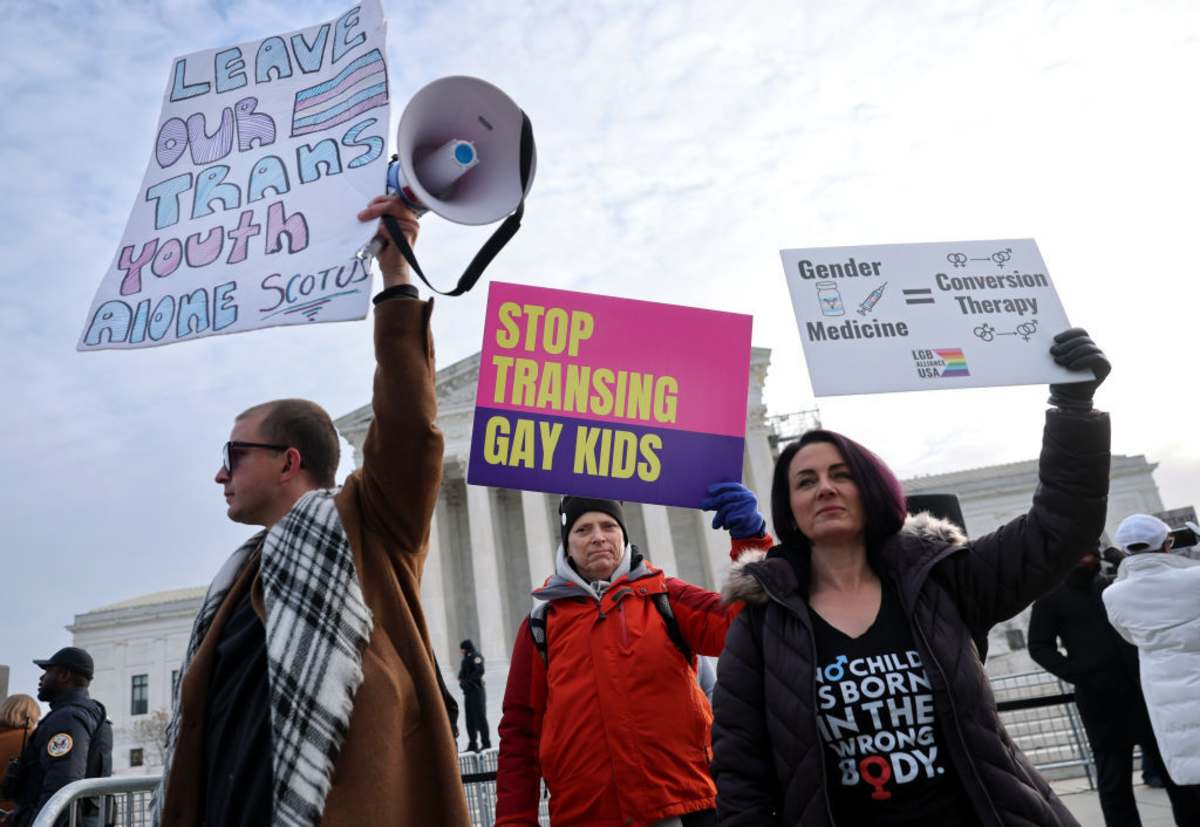
The final rule leaves states with different options depending on their existing laws.
Fourteen states have enacted so-called shield laws protecting access to gender-related care, meaning those jurisdictions could choose to continue coverage using state funds, while federal funding would remain available for mental health treatment related to gender dysphoria.