Trump administration activates never-before-used 'alien' deportation court
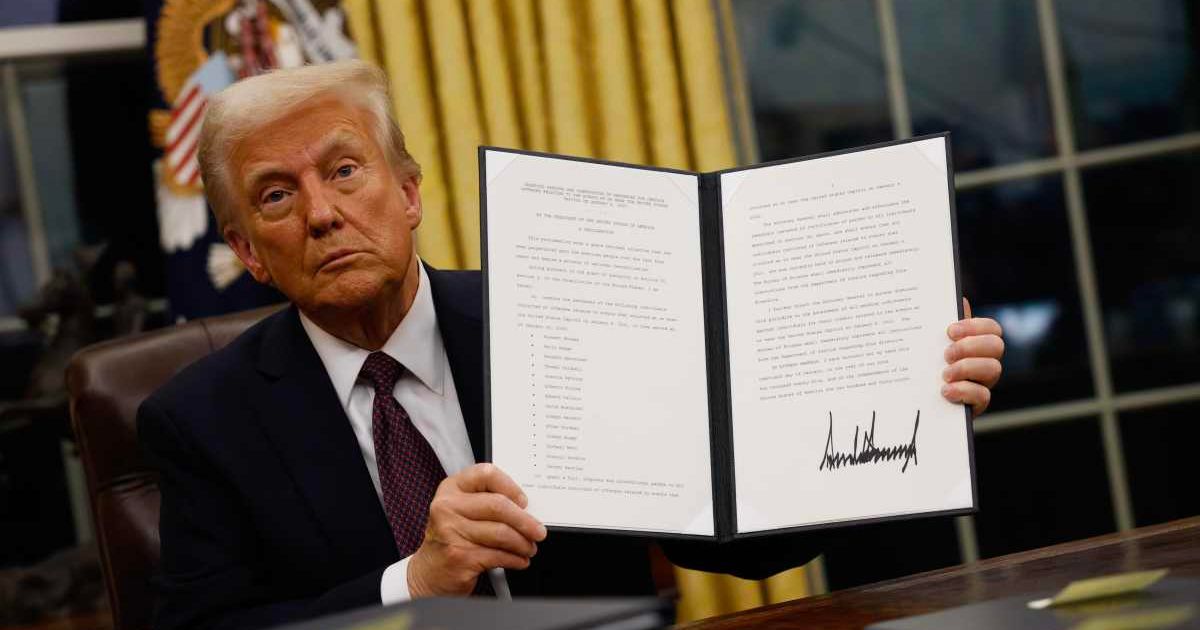
WASHINGTON, DC: The Trump administration has activated the Alien T*******t Removal Court (ATRC) for the first time since Congress established it in 1996, marking an unprecedented expansion of its immigration enforcement strategy.
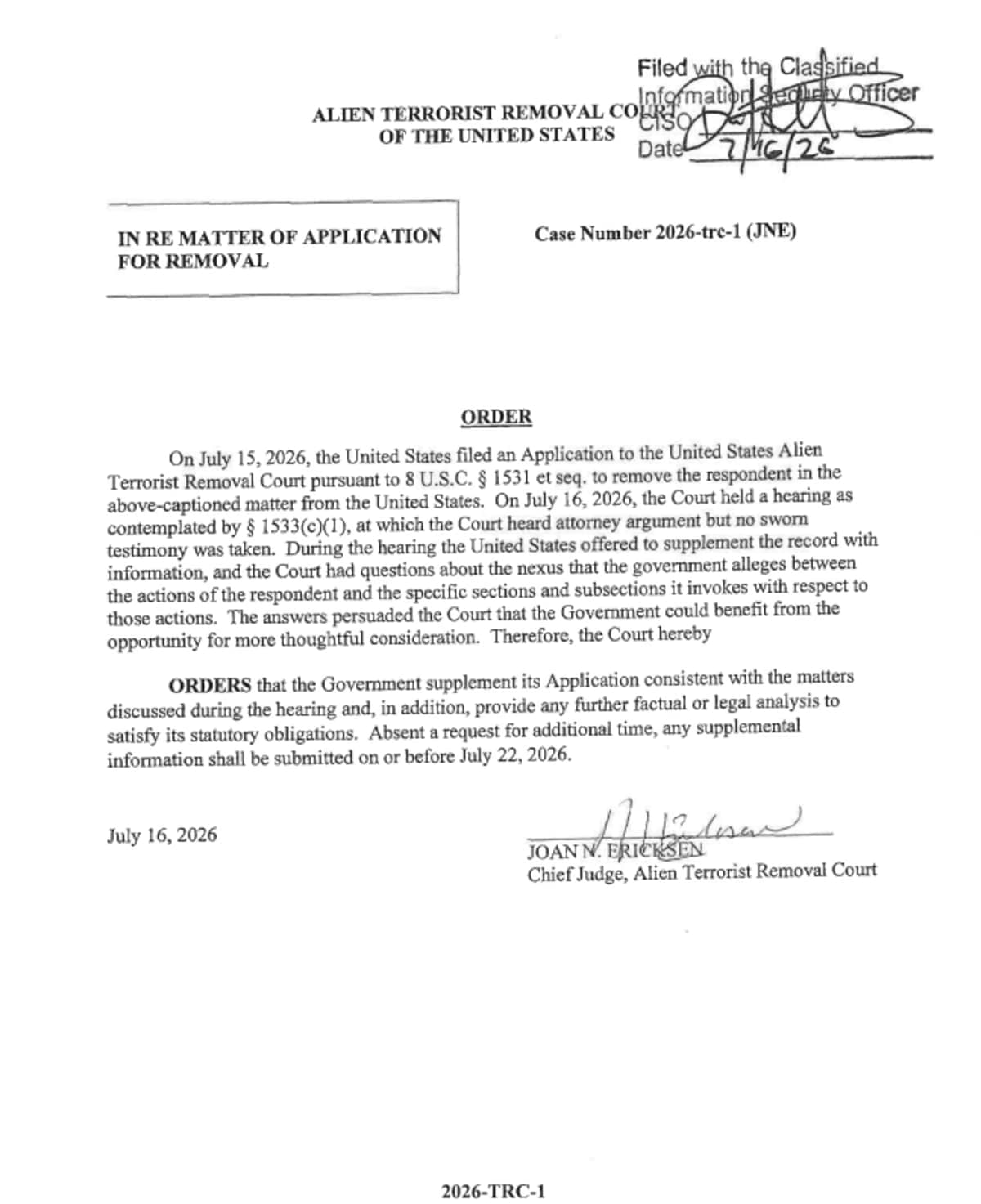
The Justice Department quietly submitted a sealed application on July 15 seeking to deport a foreign national it alleges qualifies as an "alien t*******t" under federal law. The identity of the individual and the underlying evidence remain classified, but the move represents the first attempt in nearly three decades to use a court that has never previously heard a case.
Secret court enters spotlight
The Justice Department's application was filed under seal before the specialized national security court, whose proceedings are largely confidential.
Chief Judge Joan Ericksen, a George W Bush appointee, held a closed hearing on Thursday before declining to immediately approve the request.
Instead, Ericksen directed the government to submit a more "thoughtful" application, writing that she had unanswered questions about how the Justice Department's allegations fit the legal standards required to classify someone as an "alien t*******t."
The administration has until Wednesday to file its revised submission.
The filing itself remains classified, with even the cover sheet indicating that the substance of the application contains sensitive information.
Court created but never used
Congress created the ATRC through the Illegal Immigration Reform and Immigrant Responsibility Act of 1996, giving the government a legal avenue to seek the removal of foreign nationals accused of radical extremism-related activities.
Despite existing for nearly 30 years, the court has remained dormant.
Legal experts have long questioned whether its procedures, which allow the government to rely on classified evidence that deportation targets may never fully see, provide sufficient constitutional due process.
If a judge approves the government's application, however, the individual would receive a public hearing and retain the right to appeal any removal order to the US Court of Appeals for the DC Circuit.
The court currently consists of five federal judges appointed by Chief Justice John Roberts, mirroring the structure of the Foreign Intelligence Surveillance Court, which oversees classified government surveillance requests.

Latest test of deportation powers
The administration's decision follows months of legal battles over the scope of President Donald Trump's deportation authority.
Earlier this year, federal judges questioned the administration's reliance on the Alien Enemies Act to deport alleged members of Venezuela's Tren de Aragua gang.
During one hearing, US District Judge James Boasberg pointed to the existence of the ATRC, suggesting Congress had already established a judicial process for radical extremism-related deportations.

Government attorneys countered that the court's existence did not prevent the president from relying on other statutory authorities.
The outcome could establish an important precedent for future national security deportation cases and further define the balance between executive immigration powers, classified evidence and judicial oversight.