Trump's birthright citizenship loss is fueling a much bigger conservative campaign

WASHINGTON, DC: President Donald Trump's Supreme Court loss over birthright citizenship has done little to slow his allies, who are already laying out a long-term campaign to keep the issue alive, according to a Politico report.

At a recent gathering near Capitol Hill, conservative lawyers, former Trump officials and immigration advocates compared the fight to the decades-long effort that ultimately overturned Roe v. Wade.
Their plans include future lawsuits, legislation, legal scholarship and judicial appointments, while the White House continues pursuing narrower executive actions.
Conservatives map out long game
At a gathering near Capitol Hill, conservative lawyers and former Trump officials discussed ways to keep birthright citizenship at the center of legal and political debate through future court cases, academic research and legislation.

"They turned birthright citizenship into the next Roe v. Wade, that we're going to have to spend the next 50 years overturning," said Mike Davis, founder of the Article III Project, a legal organization aligned with Trump.
Iowa Solicitor General Eric Wessan said the ruling would draw sustained attention from legal scholars, keeping the constitutional debate active in academic circles.
White House presses ahead anyway
The administration did not ask the Supreme Court to rehear the case. Instead, Trump signed new executive orders that narrow who qualifies for birthright citizenship under specific circumstances.
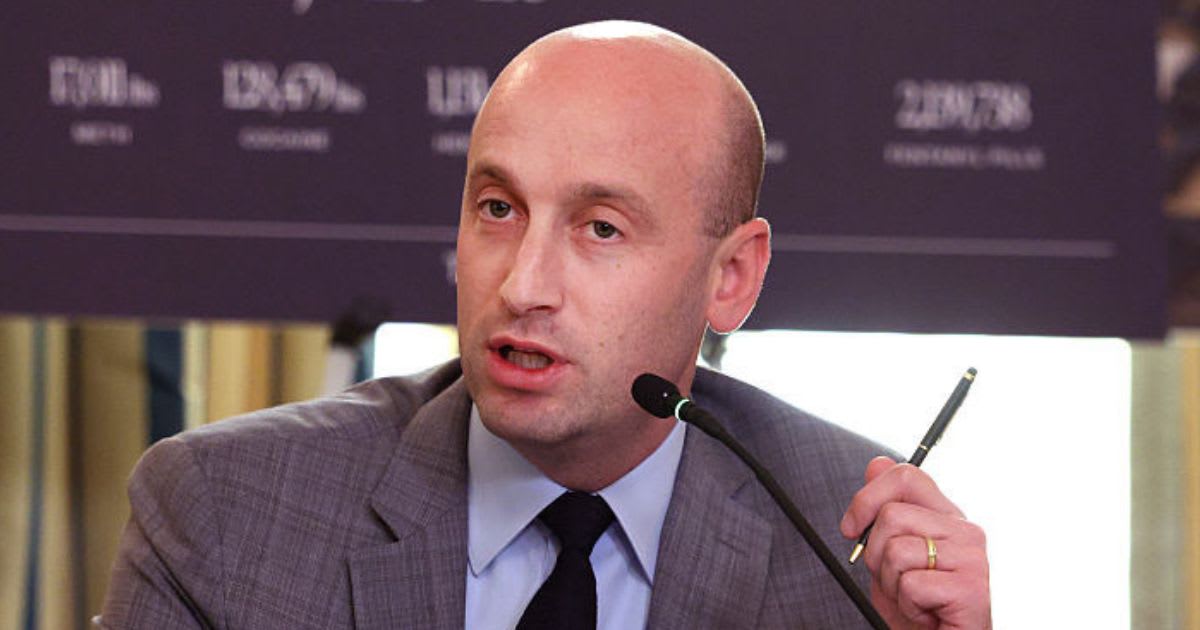
The measures target children born to foreign diplomatic staff, people identified as "alien enemies" and women who enter the United States primarily to give birth. Stephen Miller said the administration's goal was to reduce cases where people receive citizenship benefits despite what officials consider ineligible circumstances.
Courts remain only one front
Conservative advocates say they also want lawmakers to introduce new legislation, encourage constitutional amendments and make birthright citizenship a priority issue when evaluating future judicial nominees.
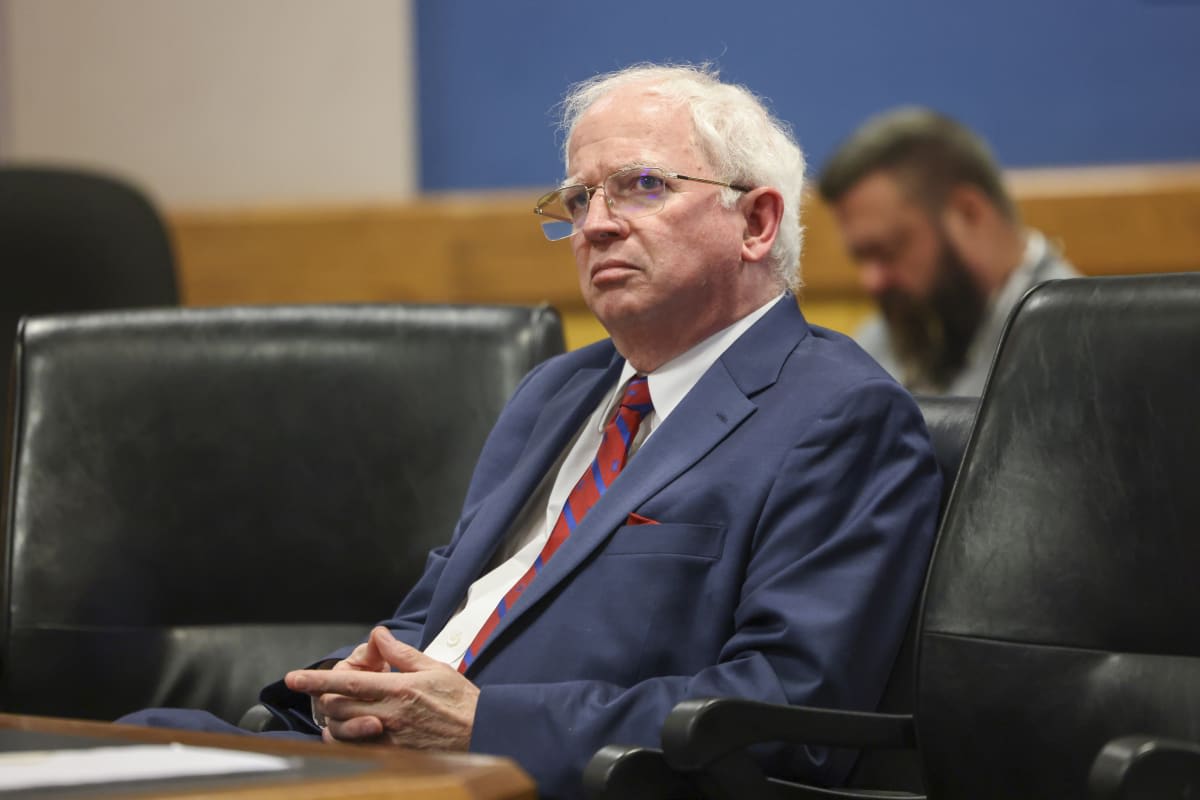
John Eastman argued the legal setback had expanded public debate rather than ending it, while New York University law professor Melissa Murray said Republicans were likely to continue testing the boundaries of birthright citizenship through both incremental and broader legal efforts.
Speakers at the gathering said they want birthright citizenship debated in law schools, challenged through future lawsuits and included in legislation and constitutional amendment proposals. Mike Davis also argued the issue should become a priority when future Supreme Court nominees are considered.