Trump signs new birthright citizenship orders, here's who's actually affected
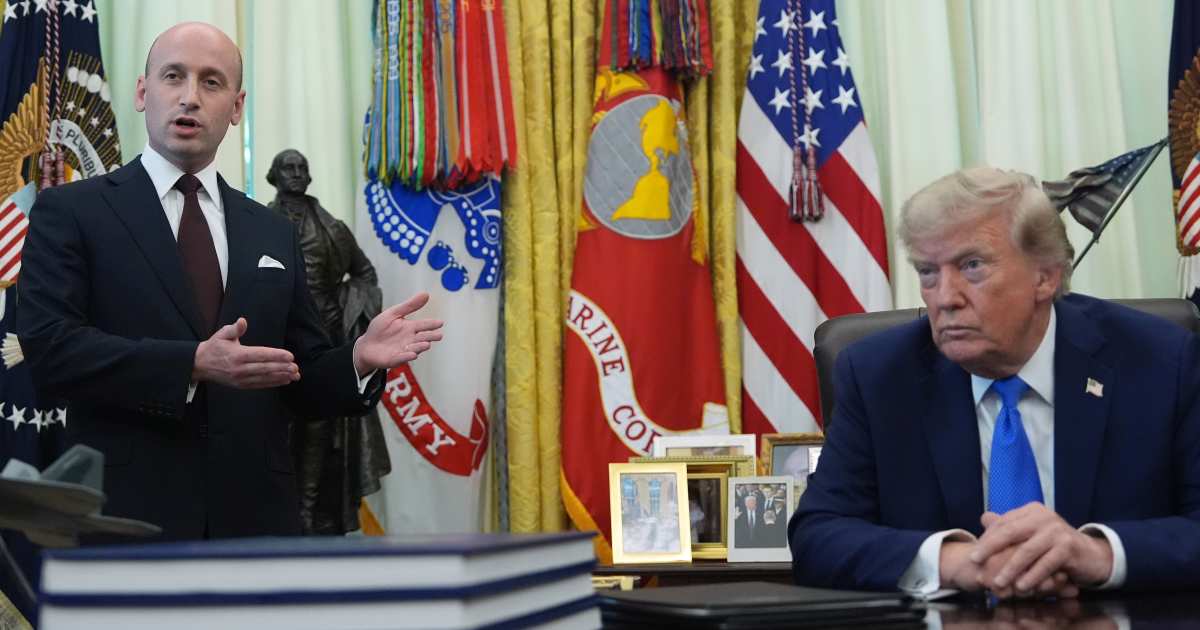
WASHINGTON, DC: President Donald Trump signed two executive orders on Thursday, August 7, aimed at restricting birthright citizenship and curbing so-called "birth tourism," reviving a key immigration priority weeks after the Supreme Court rejected his earlier effort to limit automatic US citizenship.
The new directives take a narrower approach than Trump's previous executive order, which broadly sought to deny citizenship to children born in the United States to undocumented immigrants and many temporary visa holders. Instead, the latest orders identify additional categories of parents whose US-born children the administration argues should not automatically receive citizenship while also targeting birth tourism operators.
Who is affected by Trump’s new birthright citizenship orders?
Unlike the executive order the Supreme Court rejected on June 30, Trump’s latest action does not broadly target all undocumented immigrants or temporary visa holders.
Instead, one order seeks to expand existing exceptions to birthright citizenship by directing federal agencies to deny citizenship documents in cases involving children whose parents fall into newly identified categories.
According to the order, those categories include parents who are members of designated foreign extremist organizations, certain foreign government employees, individuals accused of obtaining immigration status through fraud, and people born in US territories where citizenship is not granted by federal statute. The category currently applies only to American Samoa.
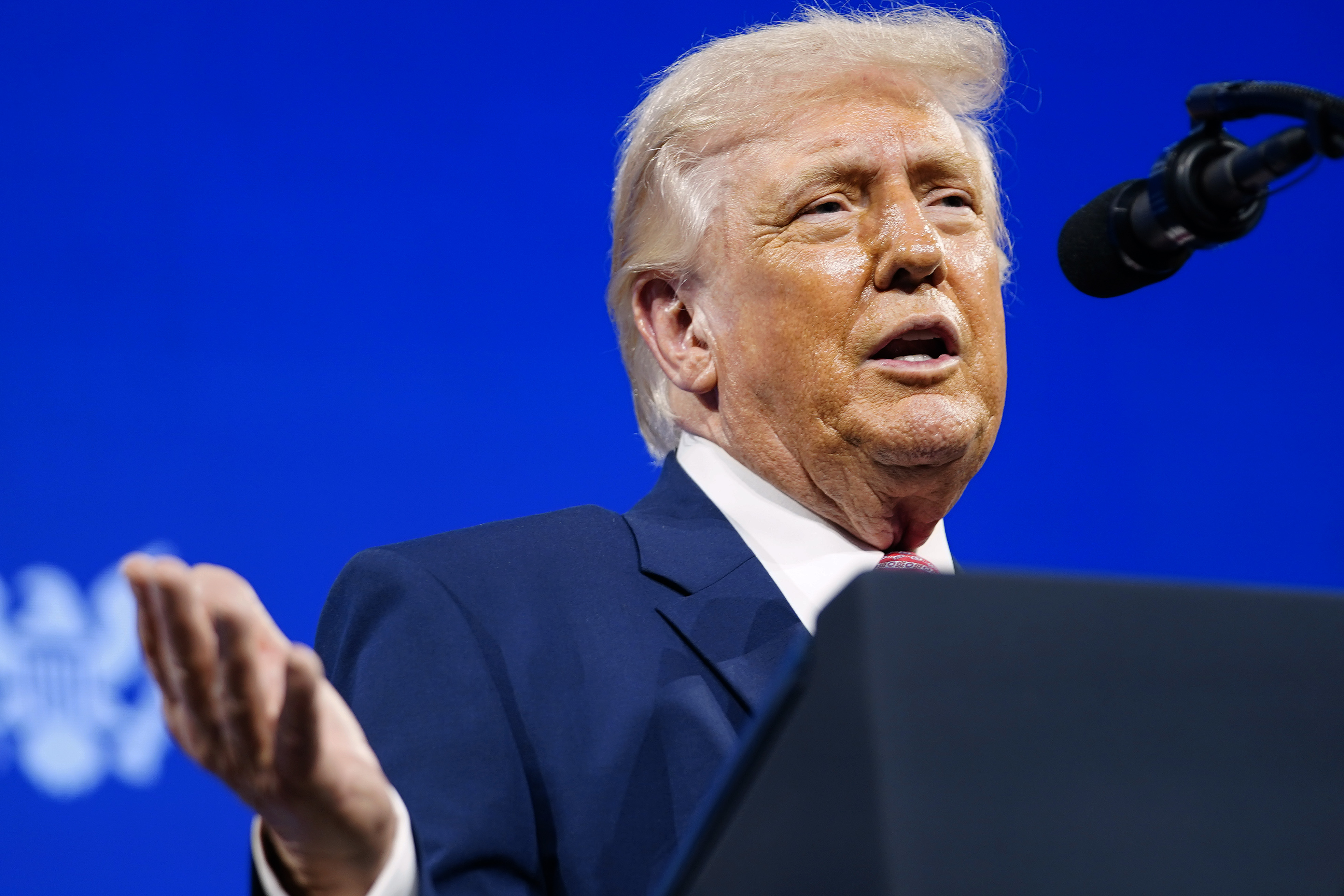
Stephen Miller: The president is using his authority as commander in chief, to sign first an executive order using the new rule in the Supreme Court issued to expand the definitions of people who are ineligible for birthright citizenship
— Acyn (@Acyn) August 6, 2026
That includes, for example, alien enemies… pic.twitter.com/TtpWe0QYe1
The administration also argues that children born through commercial birth tourism arrangements should not automatically receive citizenship documentation.
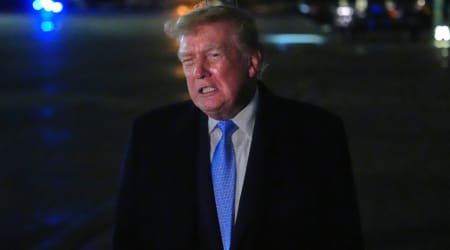
Announcing the orders, Trump criticized the Supreme Court’s recent ruling.
"Unfortunately we had a bad decision, very unfair decision, our country suffers because of it and we're ending it a different way," he told reporters in the Oval Office.
🚨 NOW: President Trump says he's going AROUND the Supreme Court ruling on birthright citizenship to stop the birthright scam
— Eric Daugherty (@EricLDaugh) August 6, 2026
This is MASSIVE!
"Our country suffers because of it, and we're ending it a different way!" 🔥
"Give us the right to do it in a much more forceful… pic.twitter.com/bPnCnWz7hj
White House Deputy Chief of Staff Stephen Miller said the administration believes the new categories fall outside the protections of the Fourteenth Amendment and defended the president’s authority to act.
How Trump’s new birthright citizenship orders differ from his previous effort
Trump’s January 2025 executive order sought to end automatic citizenship for nearly all children born in the United States to parents who were either in the country illegally or present on temporary visas. However, the Supreme Court rejected that effort in June, reaffirming the longstanding constitutional interpretation that nearly everyone born on US soil is a US citizen.
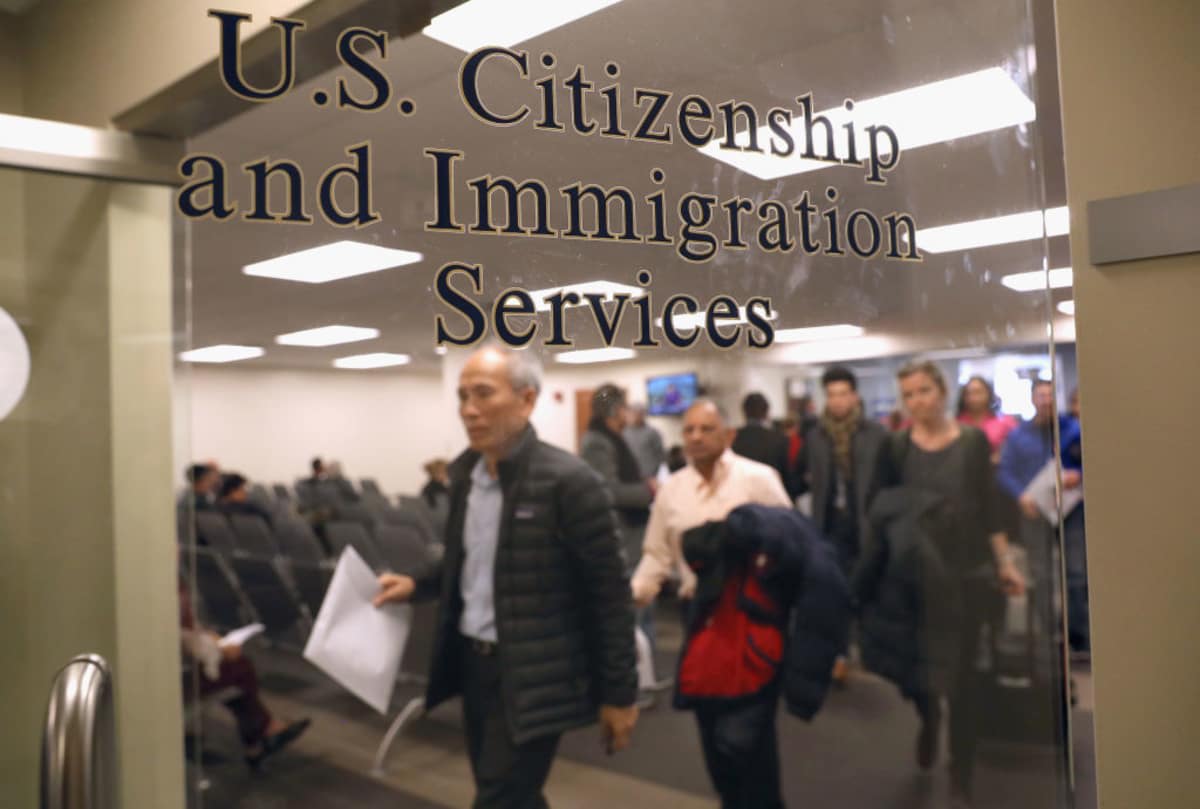
Rather than attempting the same broad restriction, the new orders focus on expanding what the administration considers exceptions to the citizenship guarantee while separately targeting birth tourism.
The second executive order directs federal agencies to intensify enforcement against commercial birth tourism businesses that arrange travel to the United States for pregnant women seeking US citizenship for their children.
Q: How many individuals take advantage of birth tourism?
— Acyn (@Acyn) August 6, 2026
Trump: I'll tell you right now, hundreds of thousands. You have one man came in with a family had said he had 56 children. Another one came in—they said they had 98 children pic.twitter.com/8vgLW38cg5
Birth tourism has long been a focus of the Trump administration, although traveling to the United States on a tourist visa while concealing plans to give birth is already considered visa fraud under existing law.
Trump argued the practice has become widespread.
"It's become a big business and we're ending that business," he said.