Fact Check: Is Tump's claim the US is the only country with birthright citizenship true?
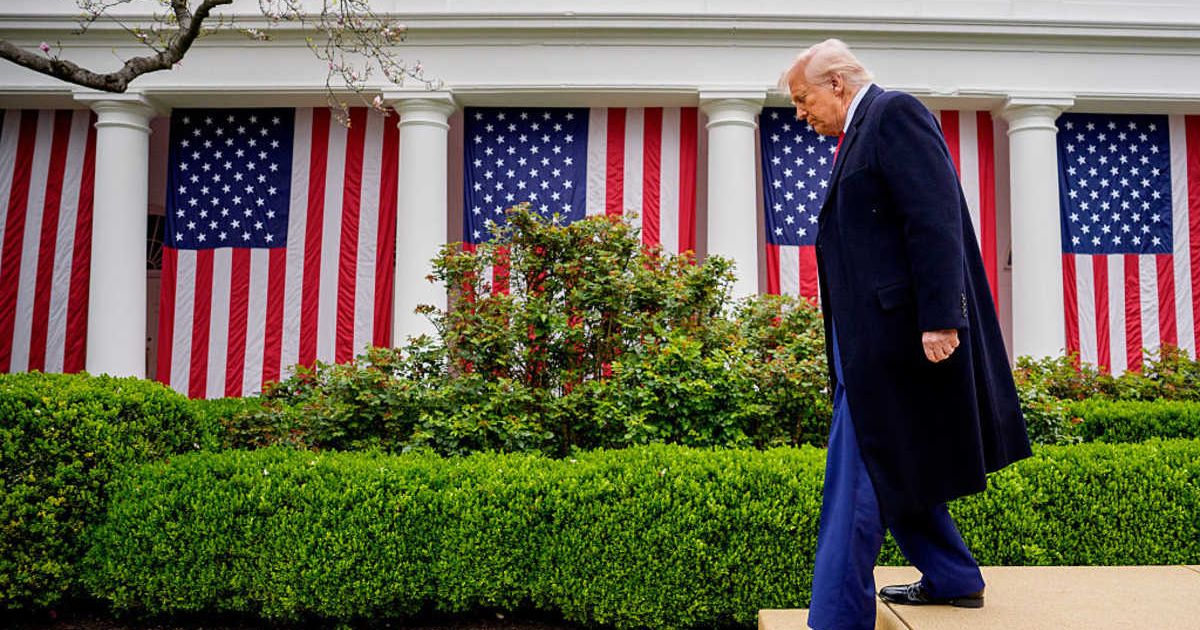
WASHINGTON, DC: President Donald Trump has once again said that the United States is the only country that offers universal citizenship to nearly anyone born in the country, sparking speculation about the authenticity of the claim. The remark comes as the Supreme Court prepares to hear whether Trump can make major changes to birthright citizenship.
Claim: US is the only country with birthright citizenship
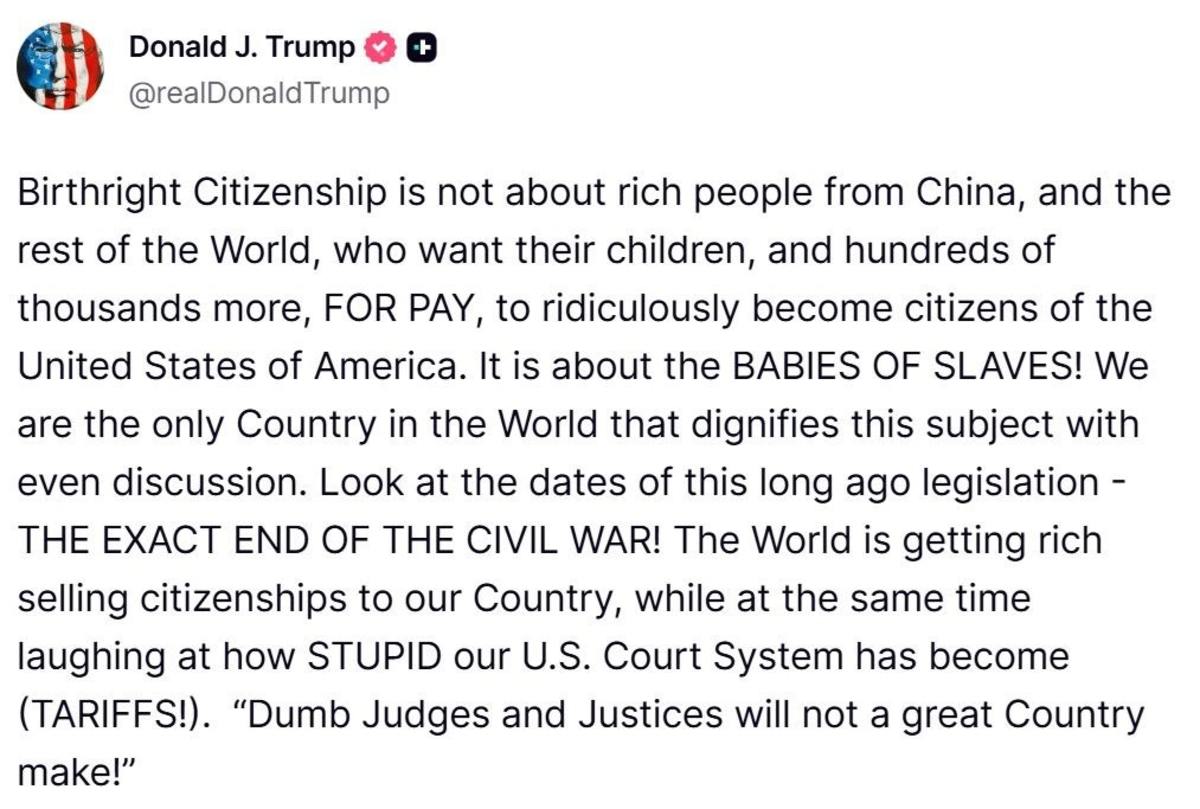
Trump’s claim came two days before justices are set to discuss birthright citizenship once again, on whether the president can make major changes to birthright citizenship.
Posting to Truth Social in the early hours of Monday morning, Trump said: "Birthright Citizenship is not about rich people from China, and the rest of the World, who want their children, and hundreds of thousands more, FOR PAY, to ridiculously become citizens of the United States of America."
"We are the only Country in the World that dignifies this subject with even discussion," he said. "Look at the dates of this long ago legislation - THE EXACT END OF THE CIVIL WAR!"
Fact Check: Donald Trump's claim is false
In the US, birthright citizenship grants citizenship to almost everyone born on American soil.
It was added to the Constitution in 1868 to protect formerly enslaved people and make sure they could not be denied citizenship or expelled from the country.
Section 1 of the 14th Amendment states: "All persons born or naturalized in the United States, and subject to the jurisdiction thereof, are citizens of the United States and of the State wherein they reside."
However, the idea of automatic citizenship at birth is not a pathway unique to the US.
In the Americas, only Chile and Colombia do not offer birthright citizenship. They follow jus sanguinis, which means citizenship is based on ancestry rather than where a person is born.
This approach is also seen in several countries across Europe, Asia, and Africa. For instance, in the UK, at least one parent must be a citizen or have legal residency for their newborn to become a citizen.
Donald Trump questioned birthright citizenship interpretation
Trump on Monday, March 30, criticized the current interpretation of birthright citizenship under the 14th Amendment, arguing it is being misused by foreign nationals.
He questioned its application in the modern immigration context and criticized judicial interpretations that have upheld the current framework, calling for a reassessment of how the law is applied.
The remarks come as the administration continues to address immigration policy alongside ongoing military developments overseas.