Alito, Thomas dissent as Supreme Court upholds birthright citizenship, rejects Trump order
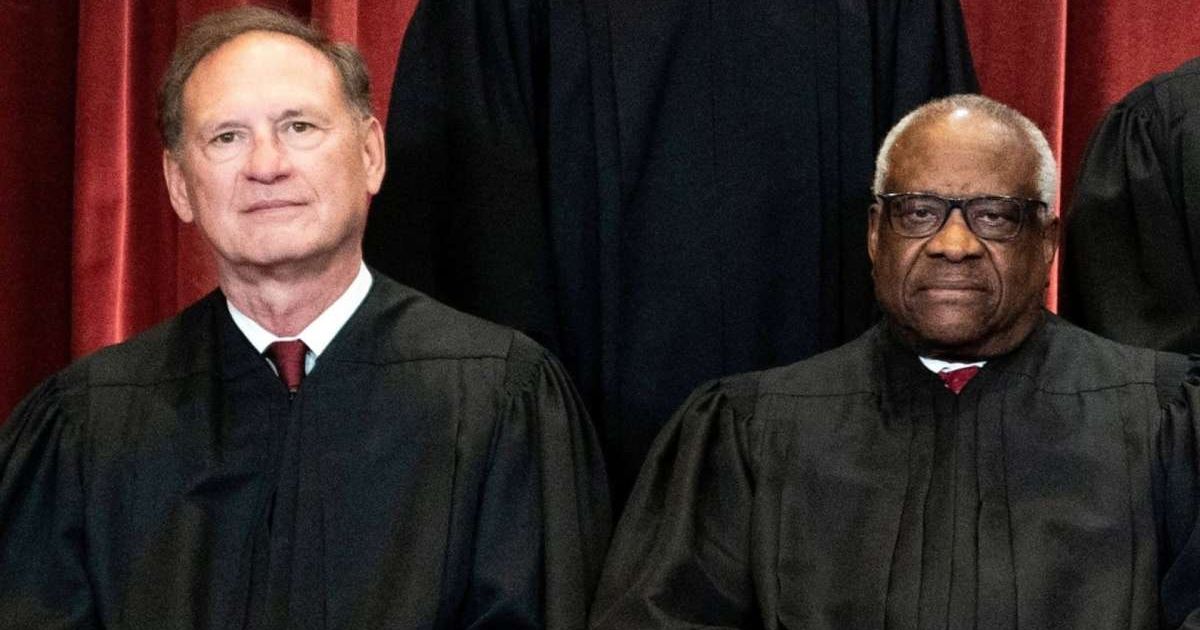
WASHINGTON, DC: Conservative Supreme Court Justices Samuel Alito and Clarence Thomas issued sharply worded dissents after the Court ruled that children born in the United States to parents who are unlawfully or temporarily present in the country are citizens under the Fourteenth Amendment, rejecting President Donald Trump's executive order seeking to limit birthright citizenship.
While Chief Justice John Roberts wrote for the majority, Alito and Thomas argued the decision will have sweeping consequences for immigration policy and the meaning of American citizenship.
Alito calls ruling historic mistake
Justice Alito described the ruling as "one of the most important decisions in the history of this Court" and argued the majority had made "a serious mistake" by interpreting the Citizenship Clause too broadly.

In his dissent, he warned that the Court's decision effectively grants automatic citizenship to nearly every child born on US soil, regardless of the parents' immigration status.
Alito argued that the Constitution was never intended to extend citizenship so broadly and said the majority's reading rewards what he described as "birth tourists", people who temporarily travel to the United States to give birth so their children acquire American citizenship.
He maintained that the phrase "subject to the jurisdiction" of the United States should not automatically include every person born within the country's borders.
Thomas questions citizenship interpretation
Justice Thomas authored a separate dissent, joined by Justice Neil Gorsuch, arguing that the Court had departed from the original understanding of the Fourteenth Amendment.
He contended that the majority transformed citizenship into an automatic benefit based solely on birthplace rather than allegiance to the United States.

According to Thomas, the ruling diminishes the value of American citizenship by extending constitutional protections beyond what the amendment's framers intended.
He argued that citizenship historically depended on a genuine political relationship with the nation rather than simply being born within its territory.
Majority rejects Trump's executive order
The Court's majority concluded that children born in the United States to parents who are unlawfully or temporarily present remain "subject to the jurisdiction" of the United States and therefore qualify for citizenship under the Fourteenth Amendment.
🚨 The Supreme Court ruled that the Fourteenth Amendment guarantees birthright citizenship to children born in the United States, including those whose parents are in the country unlawfully or only temporarily, striking down President Trump's executive order. pic.twitter.com/iDns5rmqJF
— SCOTUS Wire (@scotus_wire) June 30, 2026
The opinion relied on the amendment's text, historical practice and the Court's longstanding 1898 precedent in United States v. Wong Kim Ark.
The case centered on Trump's January 2025 executive order, which sought to deny automatic citizenship to certain children born in the United States based on their parents' immigration status. With the Court affirming the lower court's injunction, the executive order cannot take effect.
Although the majority reaffirmed existing constitutional precedent, the dissents from Alito and Thomas underscored the continuing divide within the Court over the scope of birthright citizenship and its long-term implications for immigration law.