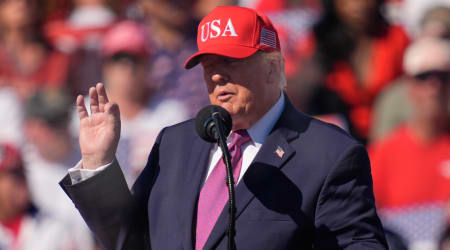
Trump says birthright citizenship 'must be abolished' ahead of Supreme Court ruling
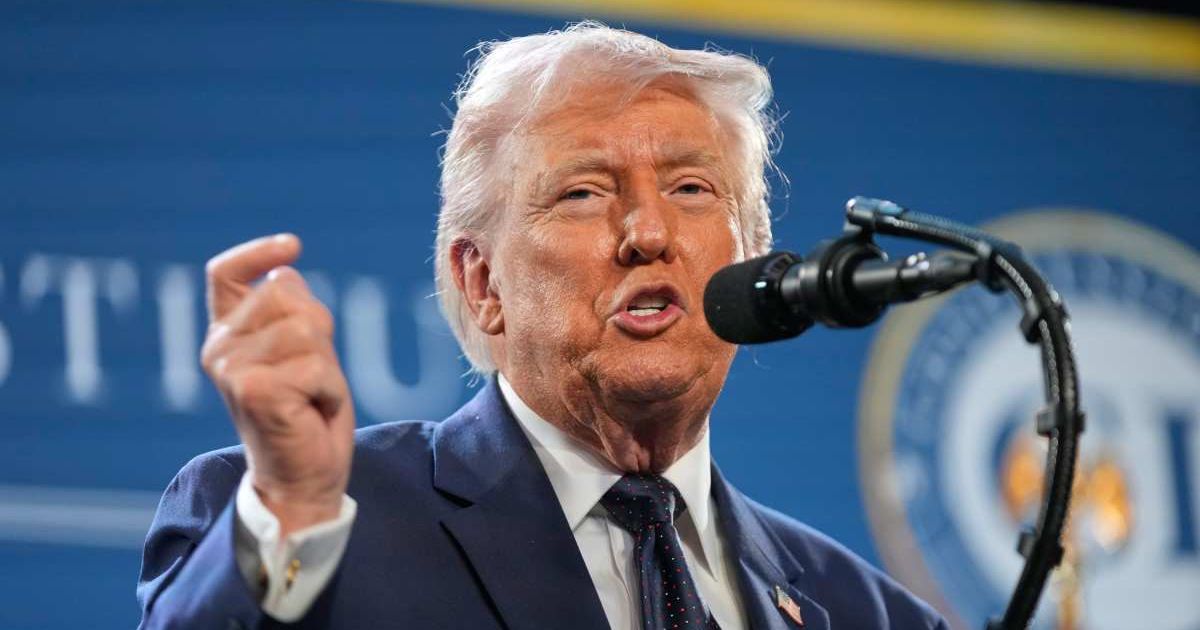
WASHINGTON, DC: President Donald Trump, on Thursday, June 11, renewed his push to end birthright citizenship, arguing that the United States can no longer sustain a policy that automatically grants citizenship to nearly everyone born on American soil.
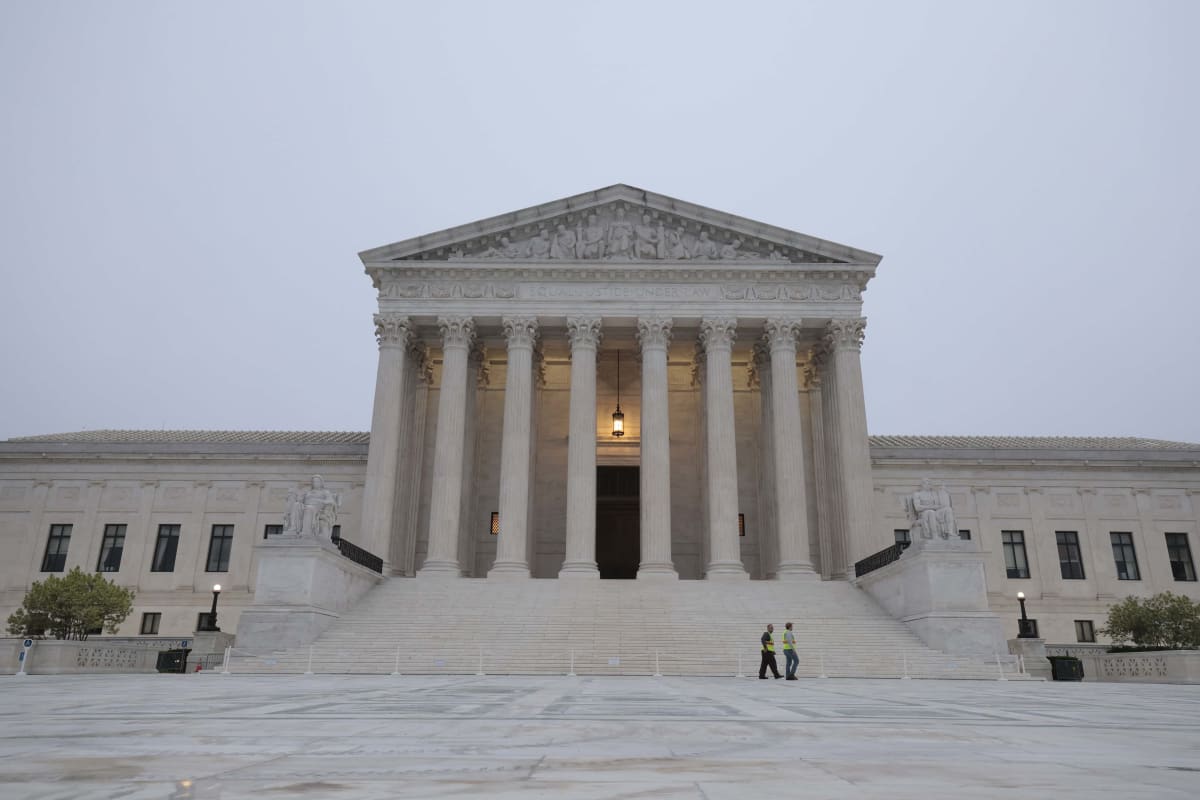
His latest remarks came as the Supreme Court prepares to issue a highly anticipated ruling that could determine the fate of one of the administration’s most aggressive immigration initiatives and reshape a decades-long constitutional debate.
The United States States of America cannot live with the shackles of Birthright Citizenship. It is not economically, or otherwise, sustainable, and no other Country in the World, of consequence, does it! President DJT
— Commentary Donald J. Trump Truth Social Posts On X (@TrumpTruthOnX) June 11, 2026
( TS: Jun 11 2026, 10:55 AM ET )… pic.twitter.com/yBpPjc6jZz
Trump doubles down before ruling
In a Truth Social post, Trump framed birthright citizenship as a burden the country can no longer afford.
“The United States of America cannot live with the shackles of Birthright Citizenship,” the president wrote, adding that the policy is neither economically sustainable nor consistent with practices followed by other major nations.
The statement arrives just weeks before the Supreme Court is expected to weigh in on legal challenges surrounding Trump's executive order aimed at restricting automatic citizenship for children born in the US to certain non-citizen parents.

While the administration has defended the order as a necessary immigration reform measure, critics argue it directly conflicts with long-standing constitutional precedent.
The dispute centers on the interpretation of the 14th Amendment, adopted after the Civil War.
For more than a century, it has generally been understood to guarantee citizenship to nearly anyone born in the United States.
Trump, however, has repeatedly argued that the amendment is being applied far beyond its original intent and has claimed the current system encourages abuse of immigration laws.
Since signing his executive order earlier in his presidency, the administration has faced a series of courtroom setbacks.
Multiple federal courts have blocked implementation of the policy, forcing the issue onto a fast track toward the nation’s highest court.
The Supreme Court is now expected to decide whether the administration has the authority to reinterpret citizenship rules through executive action.
President's previous take on ruling
Notably, Trump had previously suggested that he was not optimistic about the outcome.
In earlier remarks, he predicted the Court could rule against his administration and leave the current system intact.
At the time, he argued that the United States was effectively alone in maintaining such an interpretation of birthright citizenship and warned that the policy creates long-term economic and security challenges.
Trump says the Supreme Court will "probably rule against me" on birthright citizenship pic.twitter.com/5qkxtz4F4r
— Aaron Rupar (@atrupar) May 21, 2026
His latest statement signals that the White House is continuing to make the issue a major political priority even before the justices deliver their final decision.