Supreme Court clears way for Trump to end deportation protections for Haitians, Syrians
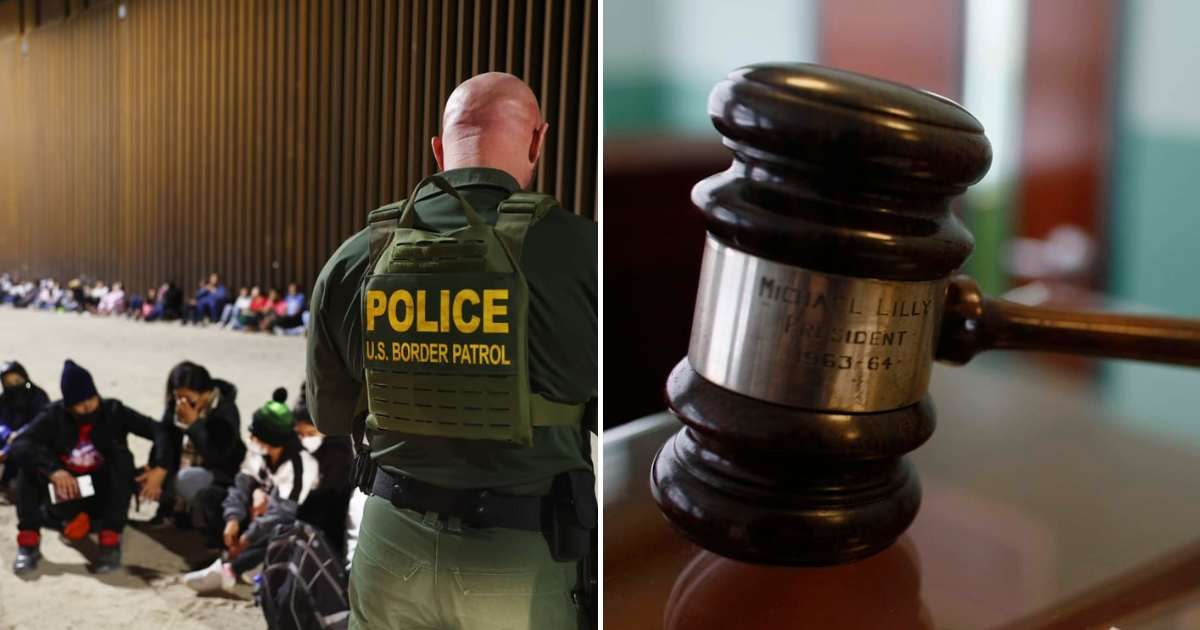
WASHINGTON, DC: President Donald Trump scored a major victory in his effort to reshape US immigration policy on Thursday, June 25, after the Supreme Court cleared the way for his administration to move forward with ending deportation protections for migrants from Haiti and Syria.
While the ruling directly affects those two groups, its significance stretches much further.
At the heart of the case was a larger question: how much power federal courts should have to challenge immigration decisions made by a president and his administration.
BREAKING: The Trump administration scores another major win with the Supreme Court today as it clears the way for the White House to end Temporary Protected Status for hundreds of thousands of migrants from Haiti and Syria.
— Fox News (@FoxNews) June 25, 2026
The decision lifts lower court orders that had blocked… pic.twitter.com/2fYbInIjGr
A battle over executive authority
For months, the Trump administration has argued that Temporary Protected Status (TPS), a program designed to offer temporary relief to migrants from countries facing war, natural disasters or extraordinary crises, has drifted far beyond its original purpose.
Administration officials have maintained that TPS was never intended to become a long-term immigration solution and have moved aggressively to review and terminate protections for numerous countries.
Those efforts triggered a wave of lawsuits across the country, with challengers arguing that the administration acted improperly and, in some cases, with discriminatory intent.

The Supreme Court's ruling represents a significant setback for those legal challenges. In a 6-3 decision, the court concluded that many of the claims brought against the administration cannot be reviewed by federal judges.
Writing for the majority, Justice Samuel Alito said the TPS law itself places strict limits on judicial review and prevents courts from second-guessing many of the government's decisions.
“The TPS statute plainly bars consideration of respondents’ non-constitutional claims,” Alito wrote.

The majority also rejected arguments that the administration's decision was likely driven by racial bias, finding insufficient evidence to support those allegations.
The justice acknowledged that critics had pointed to what he described as “heated language” by President Trump and former Homeland Security Secretary Kristi Noem, but said the statements did not establish that the decision to end Haiti's TPS designation was motivated by race.
“Whatever one may think of the cited statements,” Alito wrote, they were “insufficient to show that the termination of Haiti’s TPS designation was based on the race of the Haitian people.”
 Migrants hold hands as they cross the border between the US and Mexico at the Rio Grande river on their way to enter El Paso, Texas, on May 20, 2019, as taken from Ciudad Juarez, Mexico (Mario Tama/Getty Images)
A boost for Trump's immigration agenda
The decision gives the administration fresh momentum as it pursues one of the most ambitious immigration crackdowns in recent memory.
Since returning to office, Trump has made immigration enforcement a central pillar of his presidency.
His administration has repeatedly argued that temporary protections should remain temporary and that countries receiving TPS designations must eventually be reassessed.
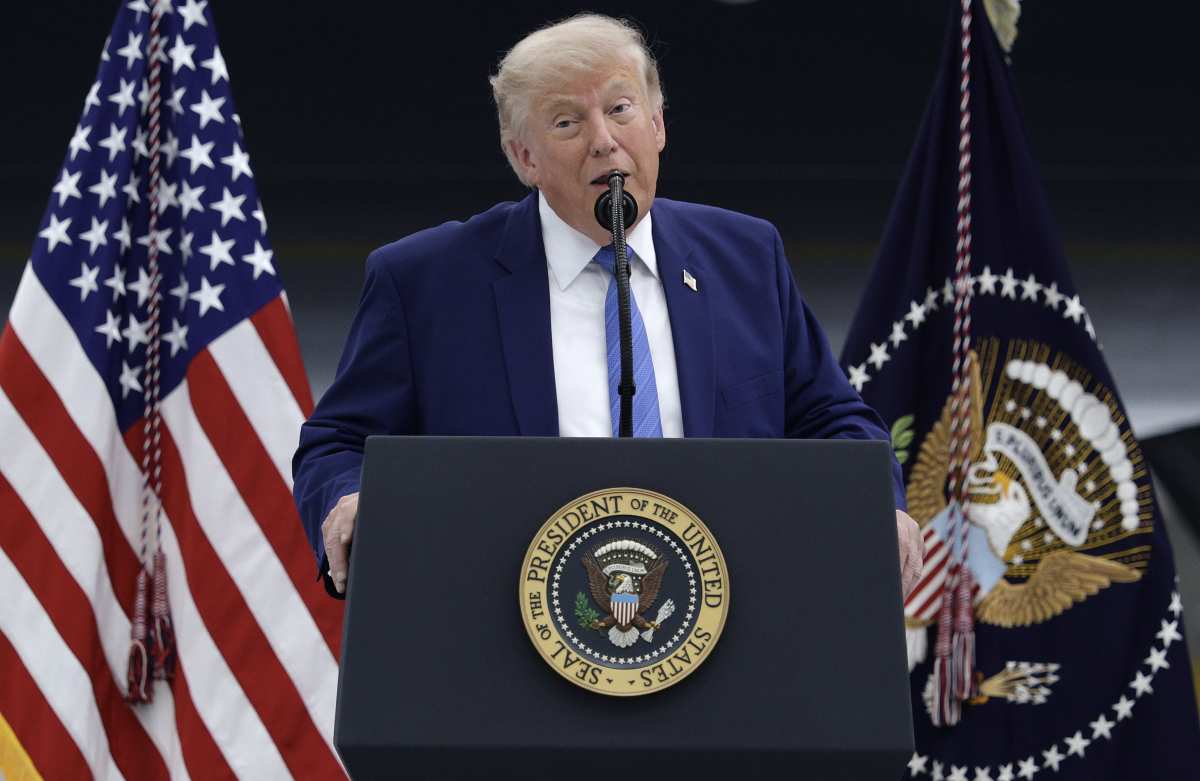
While the case focused on Haiti and Syria, immigration experts view the ruling as important because similar legal disputes involving other countries remain active in federal courts.
The administration has sought to unwind protections affecting multiple nationalities, arguing that conditions in many countries have changed sufficiently to justify ending their designations.
Opponents, however, contend that violence, instability, and humanitarian crises continue to make returns unsafe.

The Supreme Court's decision does not automatically resolve every TPS dispute, but it strengthens the administration's legal position moving forward and narrows the avenues available to challengers.