Trump unveils new defense of White House ballroom after appeals court setback
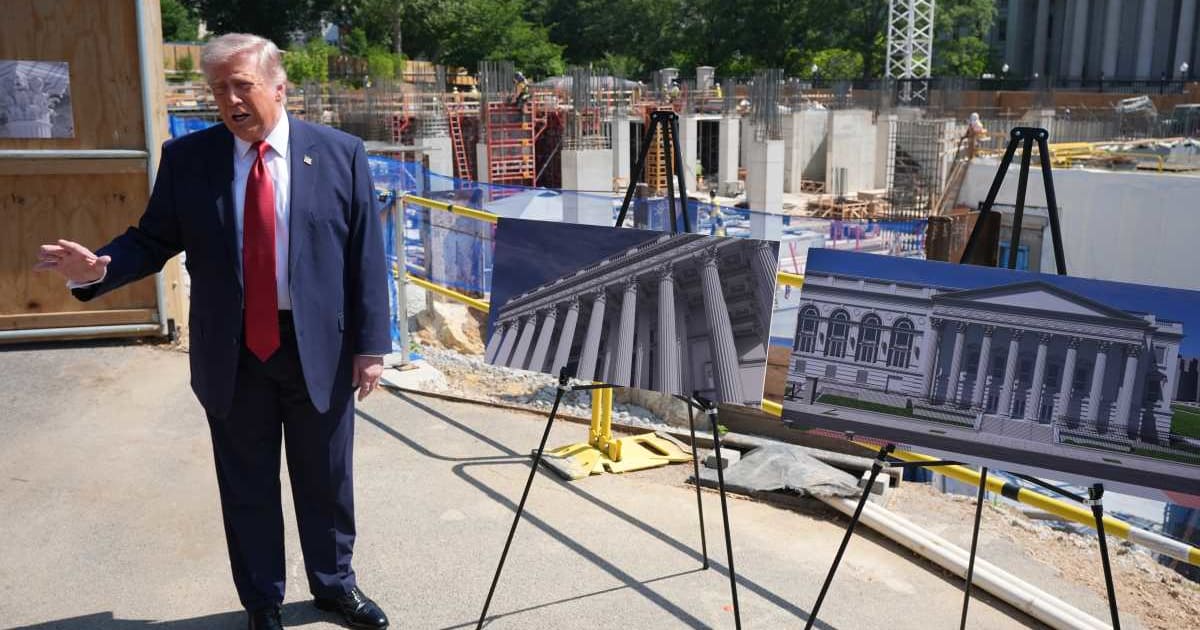
Two Obama and Biden Appellate Court Judges just voted against the desperately needed Military Center, required for the National Security of Washington, D.C., and our Country, itself. Highly Respected Judge, Neomi Rao, stated the following key points, among others, in a strongly… pic.twitter.com/1qdSyouuKi
— Commentary Donald J. Trump Truth Social Posts On X (@TrumpTruthOnX) August 7, 2026
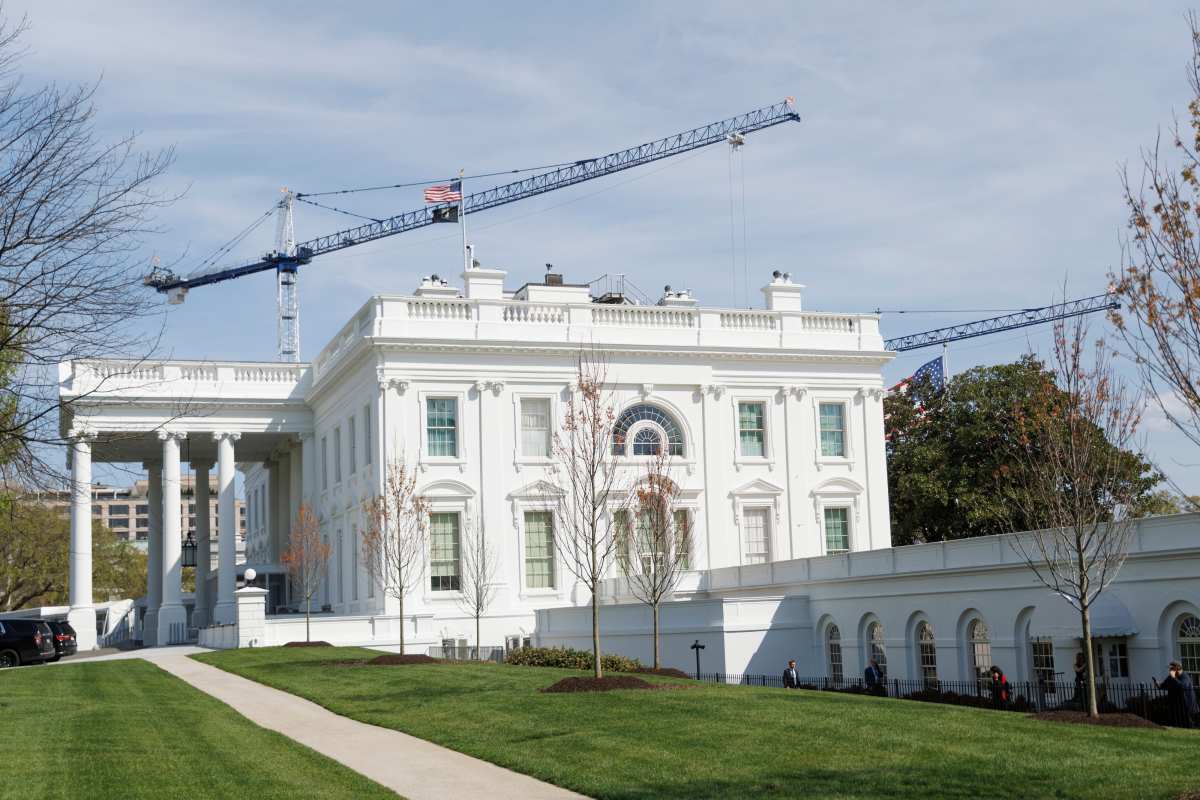
WASHINGTON, DC: President Donald Trump unveiled a new national security defense of his White House ballroom project after a federal appeals court halted above-ground construction unless Congress authorizes it.
His comments came in a lengthy Truth Social post on Friday, August 7, where he argued the ruling put White House staff, future presidents, and visitors at risk, even though the court allowed national security-related work on the underground bunker to continue during the legal fight.
Trump shifts focus to national security
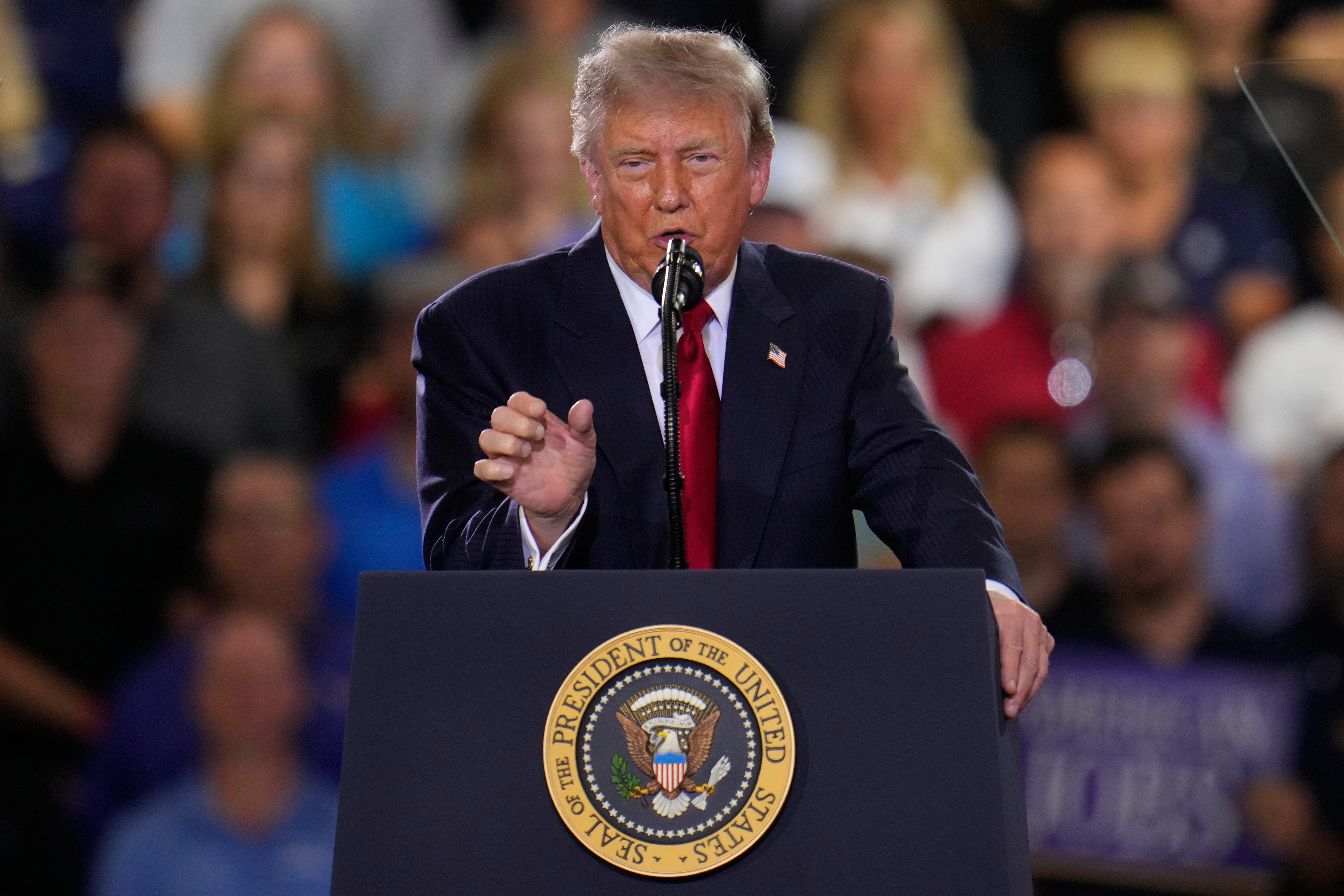
Trump sharply criticized the DC Court of Appeals 2-1 decision, calling it "politically motivated" and "totally wrong."
Rather than focusing on the ballroom as an event space, he argued the broader project should be viewed as a military and national security facility.
"The Circuit Court's decision, which is totally wrong on the vital subject of STANDING, of which the plaintiff has none, severely jeopardizes the lives and welfare of the people who work, and will be working, at the White House — including all future Presidents of the United States, and their families, as well as the lives of all those visiting..." Trump wrote.
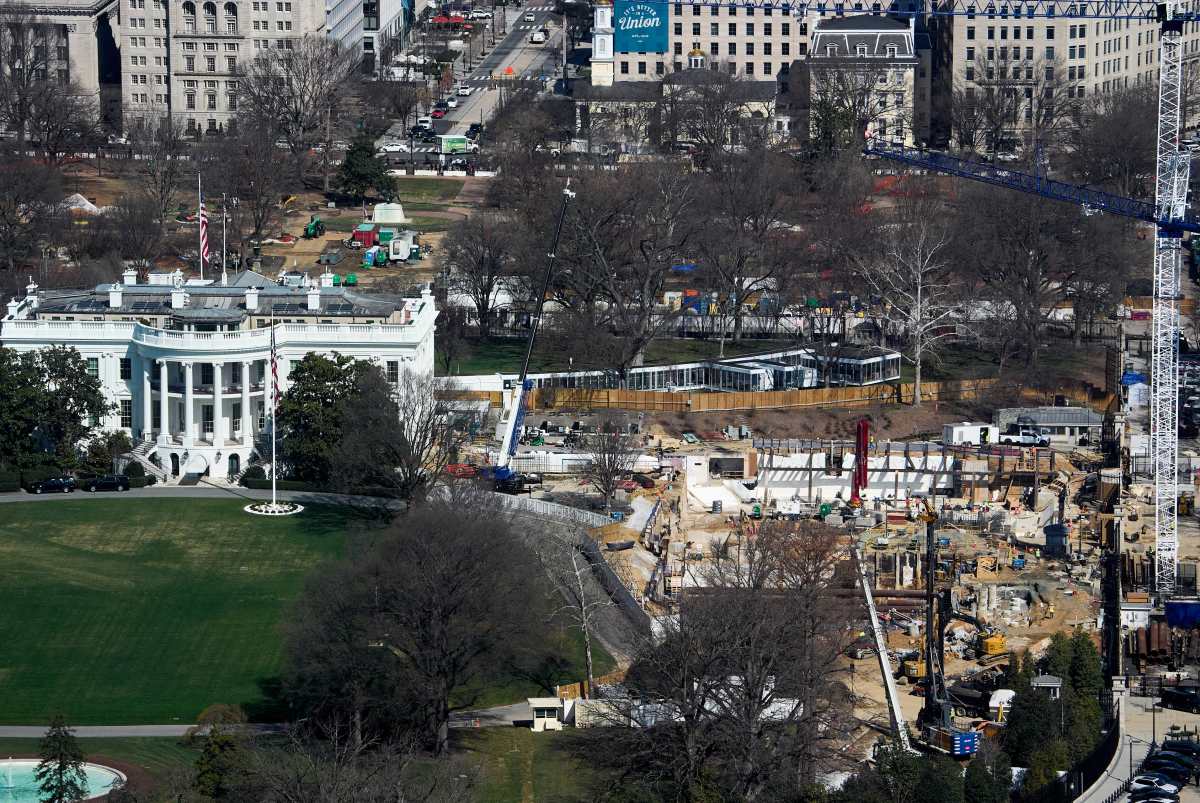
He also said the ballroom project is inseparable from the underground complex being built beneath it.
"It is all tied together as one big, expensive, and very complex unit, which is vital for National Security and Military Operations of the United States of America!" Trump wrote.
The president later referred to the overall project as "the desperately needed Military Center," even though the legal dispute before the court centers on the ballroom.
Appeals court limits only ballroom construction
"Each President is a temporary tenant, not the owner, of the White House and its Executive Residence. The President has no—and claims no—constitutionally assigned authority over that property"
— Scott MacFarlane (@MacFarlaneNews) August 7, 2026
In sweeping, 136-page ruling, DC appeals court blocks construction of Trump ballroom pic.twitter.com/cNST4NtDql
The appeals court ruled that Trump, whom it described as only a "temporary tenant" of the White House, demolished the East Wing to build a 90,000 square foot ballroom without first obtaining congressional approval.
Judge Patricia Millett, an Obama appointee, and Judge Brad Garcia, a Biden appointee, sided with the National Trust for Historic Preservation, which sued to stop construction.
"We are aware of no instance in American history in which a President unilaterally and using privately collected funds demolished substantial portions of the White House that Congress authorized to be built and American taxpayers paid for. Until now," the judges wrote.
The panel also stressed its ruling was limited.
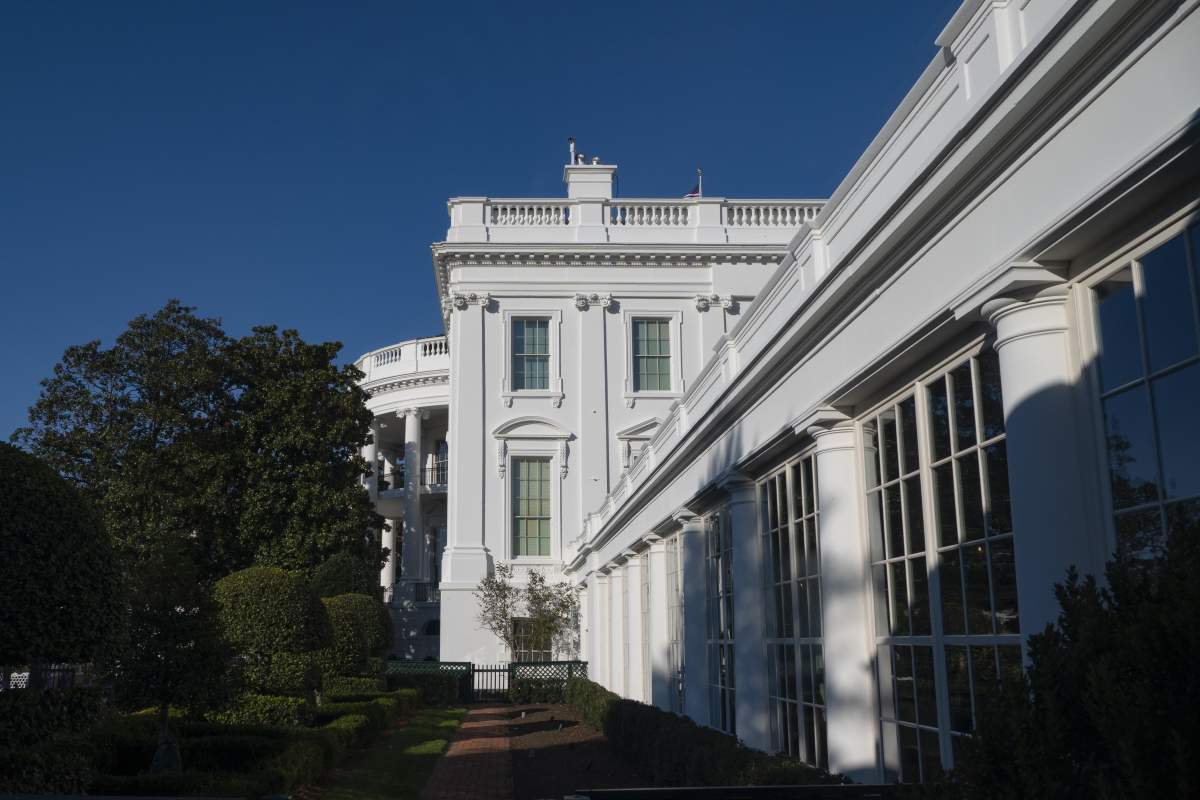
"This holding has nothing at all to do with whether the proposed ballroom is desirable, or not, as a matter of policy. This ruling does not even necessarily mean that the Defendants may not ultimately construct the ballroom," the judges added.
"What it does mean is that the Defendants may not do so during the district court's expeditious litigation without securing Congress's authorization, as the Constitution and laws require," the judges continued.
The ruling does not stop work on the underground national security facilities, including a military facility, emergency operations center, and other components the administration said are part of the project.
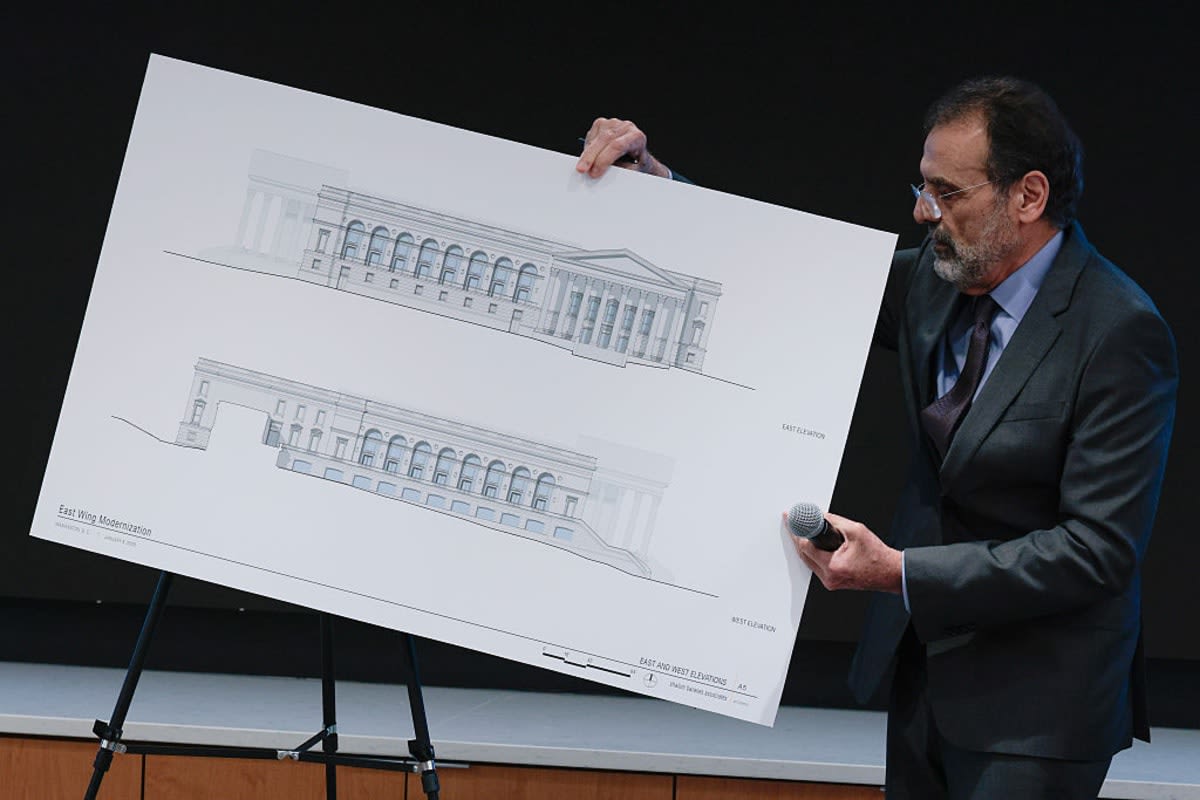
It only halts above-ground, non-national security-related construction while the case proceeds.
Administration prepares Supreme Court appeal
Judge Neomi Rao, a Trump appointee, dissented and said she would have sided with the administration.
The ruling will not take effect for two weeks, giving the Trump administration time to appeal to the Supreme Court, which Trump said he intends to do.
Last year, Trump announced the ballroom would be funded through private donations, though the administration later transferred more than $300 million from the Secret Service budget for White House security upgrades.
The project's estimated cost climbed from $200 million to $400 million, with some believing it could ultimately exceed $600 million.