Trump is trying birthright citizenship again, can he really get around Supreme Court this time?
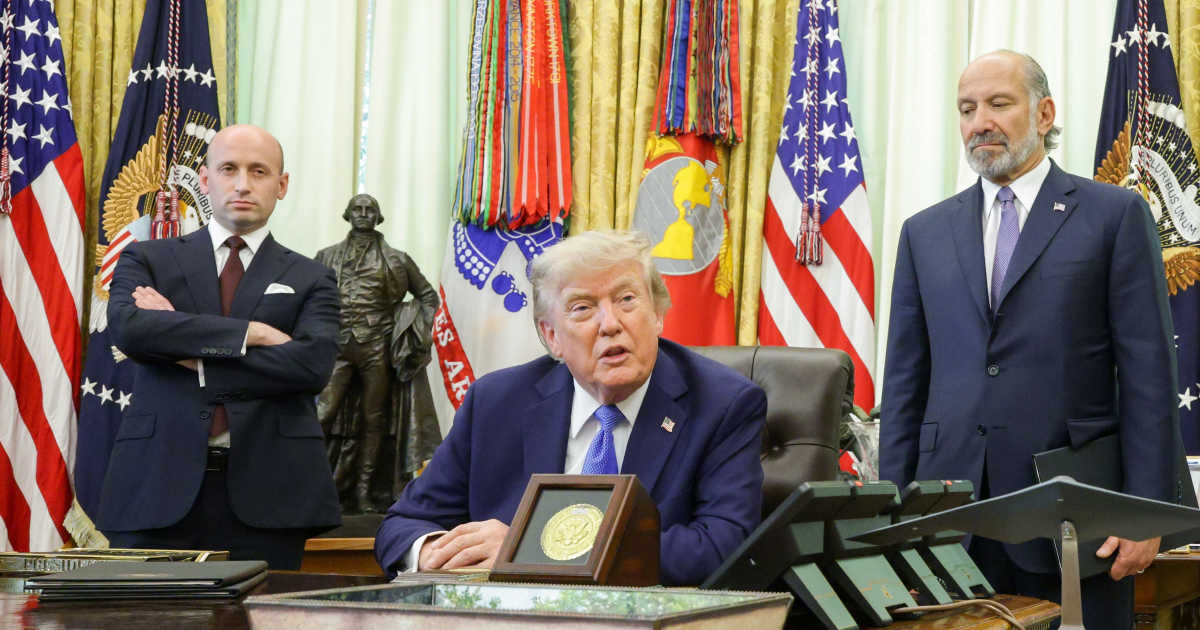
WASHINGTON, DC: President Donald Trump has renewed his effort to restrict birthright citizenship, signing two executive orders on Thursday, August 6, one seeking to limit citizenship for children born in the US under specific circumstances and another targeting “birth tourism.”
The move comes weeks after the Supreme Court rejected his earlier attempt to broadly end birthright citizenship for children of undocumented immigrants and temporary visa holders. The new orders are expected to face legal challenges, setting up another constitutional fight over the scope of the 14th Amendment.
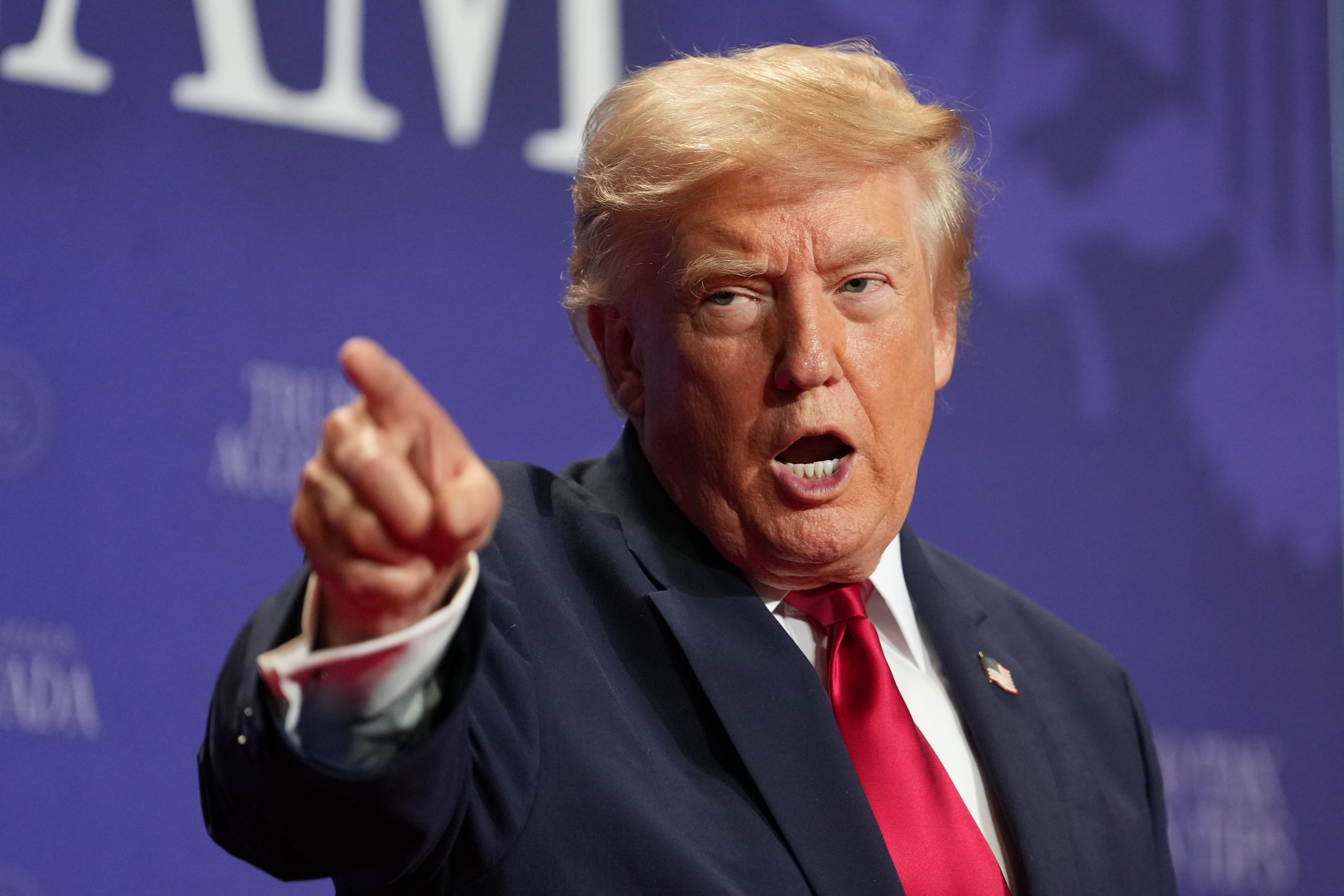
Why did Trump’s first attempt fail, and what is different this time?
Trump’s latest move follows the Supreme Court’s 6-3 decision in June blocking his earlier order, which sought to deny citizenship to US-born children of undocumented immigrants and temporary visa holders.
Justices Amy Coney Barrett, Chief Justice John Roberts, and Brett Kavanaugh joined the three liberal justices in the majority, while Justices Clarence Thomas, Samuel Alito and Neil Gorsuch dissented.
BREAKING: The Supreme Court has ruled 6-3 against President Trump’s executive order aimed at ending automatic birthright citizenship for children of illegal aliens born on U.S. soil.
— RedWave Press (@RedWavePress) June 30, 2026
Justices Amy Coney Barrett, Chief Justice John Roberts, and Brett Kavanaugh joined the three… pic.twitter.com/6evq8QEvIn
The court held that Trump could not broadly redefine birthright citizenship through executive action, citing the 14th Amendment’s guarantee to people “born or naturalized in the United States.” The Republican leader called the ruling “unfair” but said his administration was taking a different approach, stating, “our country suffers because of it, and we’re ending it a different way."
🚨 NOW: President Trump says he's going AROUND the Supreme Court ruling on birthright citizenship to stop the birthright scam
— Eric Daugherty (@EricLDaugh) August 6, 2026
This is MASSIVE!
"Our country suffers because of it, and we're ending it a different way!" 🔥
"Give us the right to do it in a much more forceful… pic.twitter.com/bPnCnWz7hj
The new order takes a narrower approach, targeting children whose parents fall into specific categories, including certain foreign government employees, members of foreign te**orist organizations, and those accused of using fraudulent or commercial arrangements to obtain citizenship.
White House Staff Secretary Will Scharf on birthright executive order being legal despite SCOTUS ruling: "What we're doing is taking legally validated means that are clearly within our disposal and targeting square on to this birth tourism industry." pic.twitter.com/4W0KxpJtwB
— CSPAN (@cspan) August 6, 2026
White House Staff Secretary Will Scharf defended the approach, saying, “What we’re doing is taking legally validated means that are clearly within our disposal and targeting them square on to this birth tourism industry.” He added that, “there’s absolutely nothing in here that runs afoul of any of the Supreme Court’s opinions on the subject.”
Can the narrower order survive another court challenge?
The legal question, however, is whether the administration can distinguish between regulating entry into the United States and denying citizenship to a child after the child is born on US soil.
Critics argue the new orders directly conflict with the 14th Amendment and the Supreme Court’s recent ruling, while the administration maintains they target specific exceptions that remain within presidential authority. Legal scholar Gabriel Chin, in an interview with BBC, said that some parts of the orders could survive scrutiny but that others raise “serious constitutional questions.”
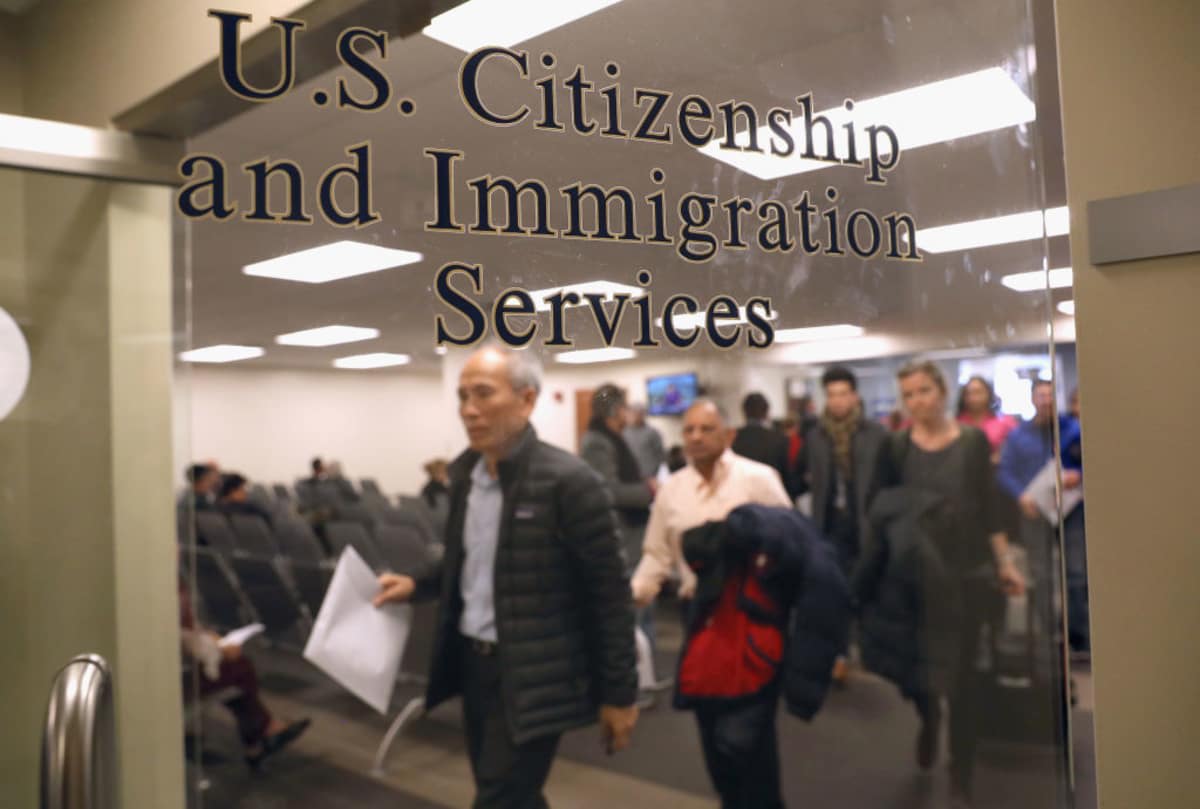
Chin argues that the president has authority to limit entry restrictions for people solely travelling into the country for birth tourism, "but once it does happen, once a child is born in the United States, I don't think the president has any power to decide that that child is not a citizen," he said.
Civil rights groups also argue that the new order crosses that line. The American Civil Liberties Union said the Supreme Court has already established the constitutional protection and warned that the latest directive could meet the same fate as the previous one.
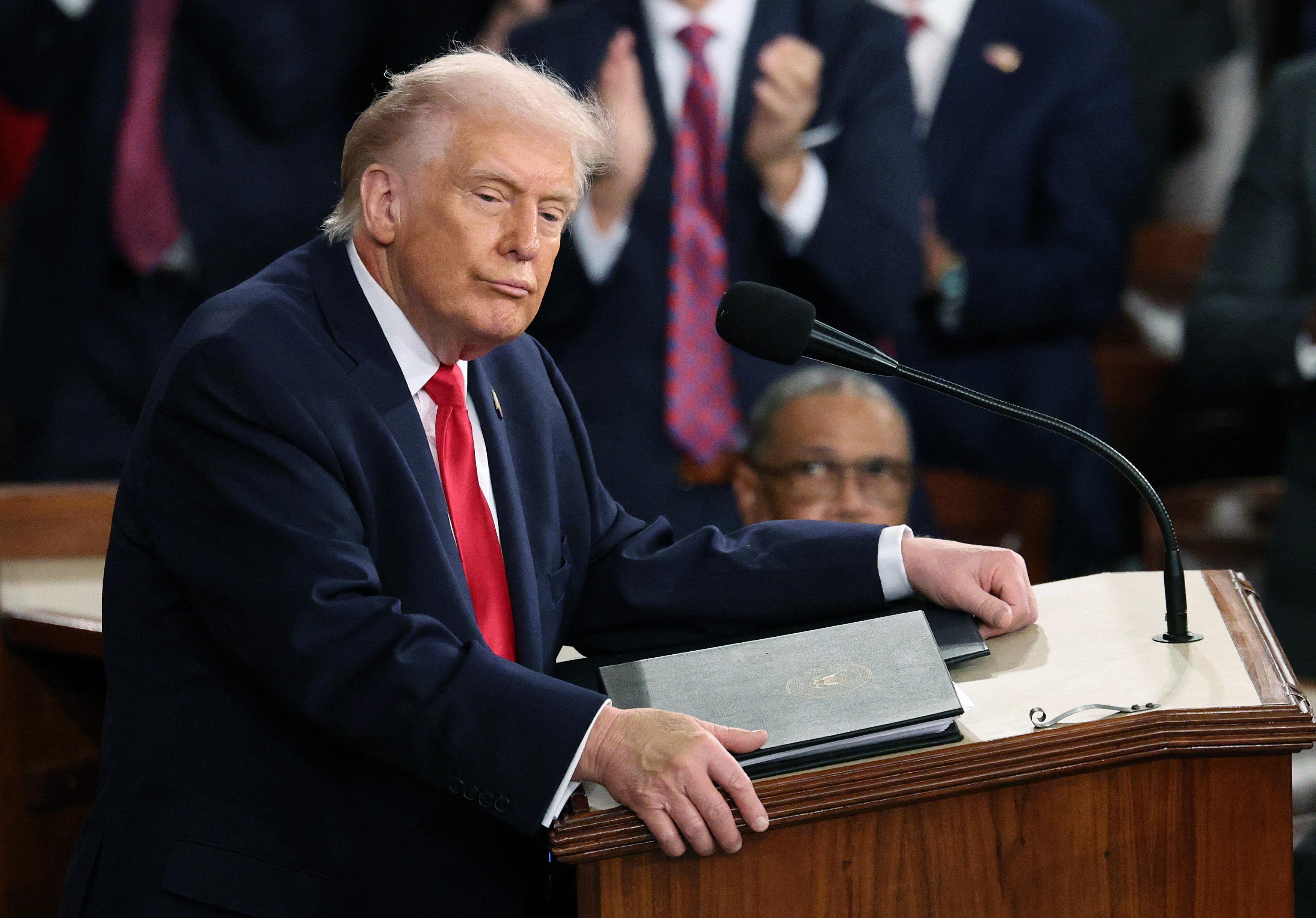 President Donald Trump delivers his State of the Union address during a Joint Session of Congress at the US Capitol on February 24, 2026, in Washington, DC (Win McNamee/Getty Images)
The outcome remains unresolved as of now, leaving Trump’s latest effort to restrict birthright citizenship as another major constitutional test for his administration.