Democrat slams Lutnick’s ‘concerning’ rare earth deal, raises national security concerns

WASHINGTON, DC: A senior House Democrat has raised concerns over a proposed $1.58 billion federal investment in USA Rare Earth, questioning whether the structure of the deal could create conflicts of interest involving Commerce Secretary Howard Lutnick and his family’s financial ties.
Representative Zoe Lofgren (D-Calif), the ranking member of the House Committee on Science, Space, and Technology, outlined the concerns in a 10-page letter released Thursday.
Lofgren’s letter focuses on the overlap between the Commerce Department’s role in negotiating the deal and Lutnick’s past leadership at Cantor Fitzgerald, a firm now run by his sons and reportedly involved in financing the private portion of the project.
Equity stake for federal funding swap
According to the letter, the Commerce Department’s CHIPS Program Office signed a non-binding letter of intent in January to provide USA Rare Earth with up to $1.58 billion in federal support.
The package includes a $277 million grant and a $1.3 billion loan aimed at developing a rare earth mine in Sierra Blanca, Texas, and a manufacturing facility in Stillwater, Oklahoma.
Here are first two pages of 10-page letter from @RepZoeLofgren raising questions about @howardlutnick deal with USA Rare Earths. She says the deal gives the government "highly concerning" leverage over the company while boosting Lutnick's family-run firm. pic.twitter.com/UciZ85RCJT
— Jarrett Renshaw (@JarrettRenshaw) March 20, 2026
In exchange, the government would receive an equity stake in the company estimated between 8% and 16%.
Lofgren questioned whether the CHIPS and Science Act authorizes such ownership structures, stating that the law does not clearly provide for federal equity stakes in private firms.
She also pointed to a provision in regulatory filings suggesting the government could retain its equity position even if the deal is not fully executed or funding is withdrawn, raising additional legal and structural questions.
Conflict tied to Cantor Fitzgerald role
Lofgren’s letter highlights the role of Cantor Fitzgerald in leading a reported $1.5 billion private capital raise tied to the project.
The firm, previously led by Lutnick and now run by his sons, is expected to play a key role in securing the non-government portion of the financing.
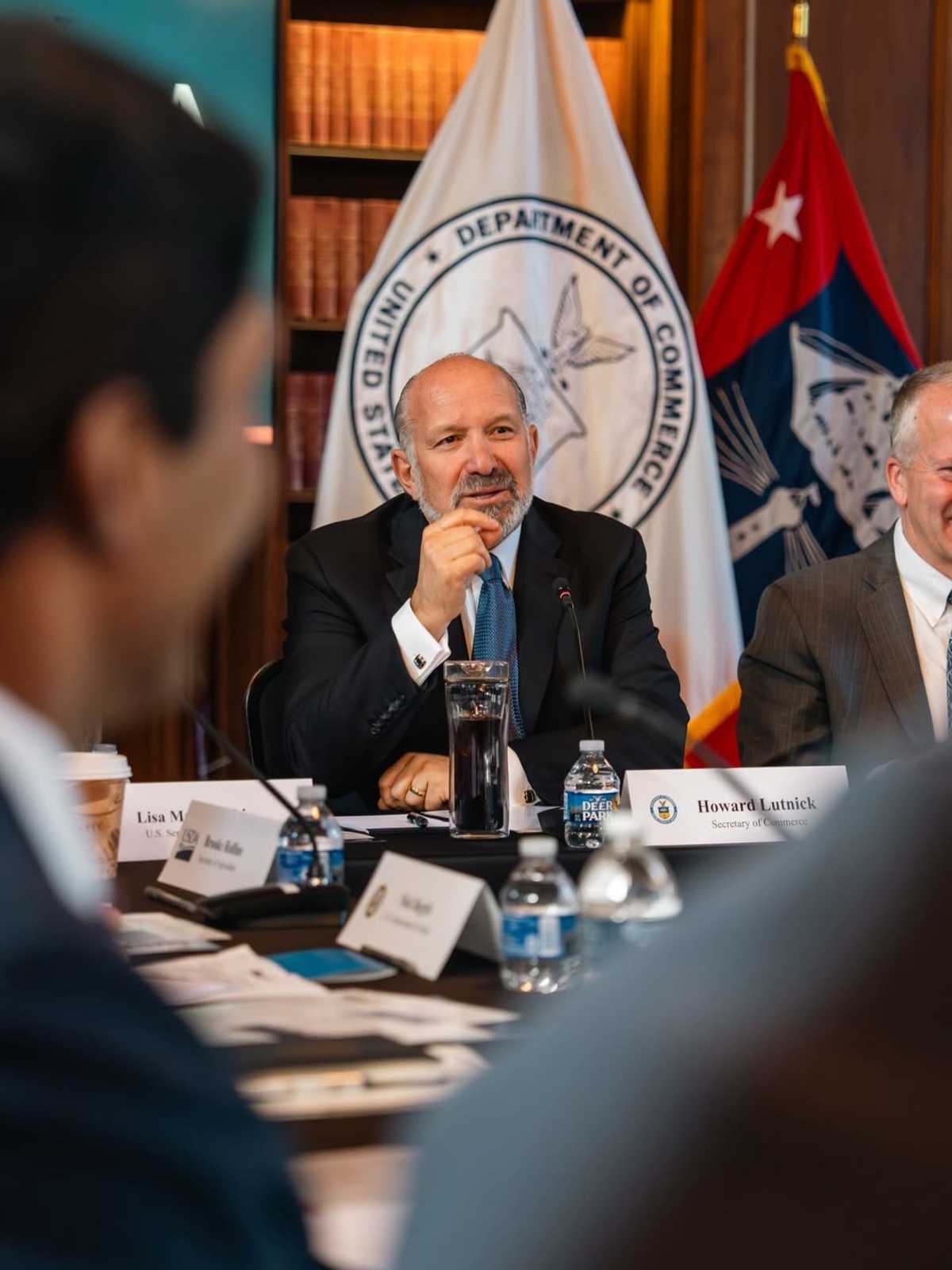
The lawmaker argued that linking federal funding to a private raise led by a firm with family ties to the Commerce Secretary raises concerns about potential conflicts.
She said the arrangement could give the department significant influence over the company while intersecting with private financial interests connected to Lutnick.
USA Rare Earth must meet several benchmarks to access the funding, including demonstrating commercial viability and completing technical milestones.
Lofgren said these conditions could place substantial discretion in the hands of Commerce officials overseeing the deal.
Scrutiny of strategic minerals supply chain
The administration has defended such investment structures as part of a broader effort to strengthen domestic supply chains for critical minerals, which are considered essential for national security and advanced manufacturing.
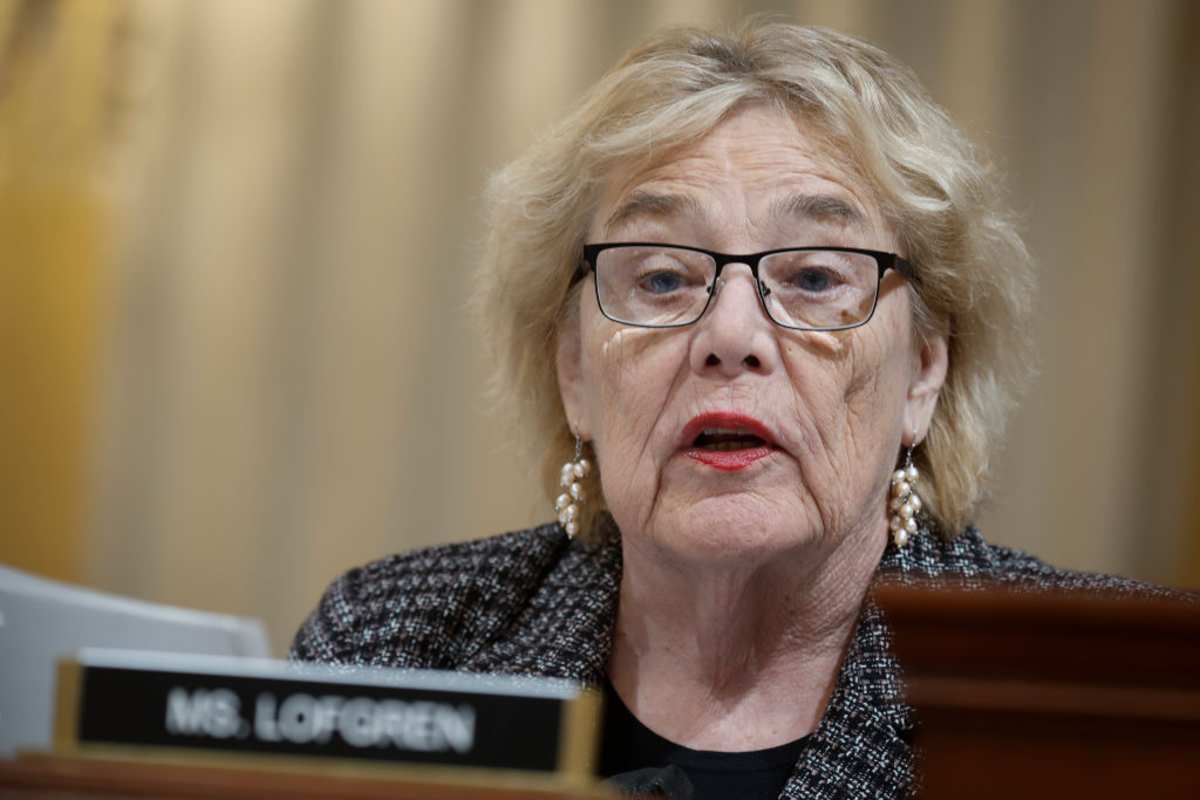
In her letter, Lofgren requested that the Commerce Department provide documents related to the negotiation and approval of the deal by April 3.
The inquiry signals potential further oversight if Democrats pursue the issue more aggressively in Congress.
The deal is not the only one under review. A Senate committee is also examining similar arrangements in the critical minerals sector, reflecting broader bipartisan interest in how federal funds are being deployed.
USA Rare Earth and the Commerce Department have not publicly responded to the concerns raised in the letter.
As scrutiny builds, the issue is expected to remain a focal point in ongoing debates over industrial policy, federal investment strategies, and conflict-of-interest standards.