Trump launches $12B ‘Project Vault’ minerals stockpile to counter China
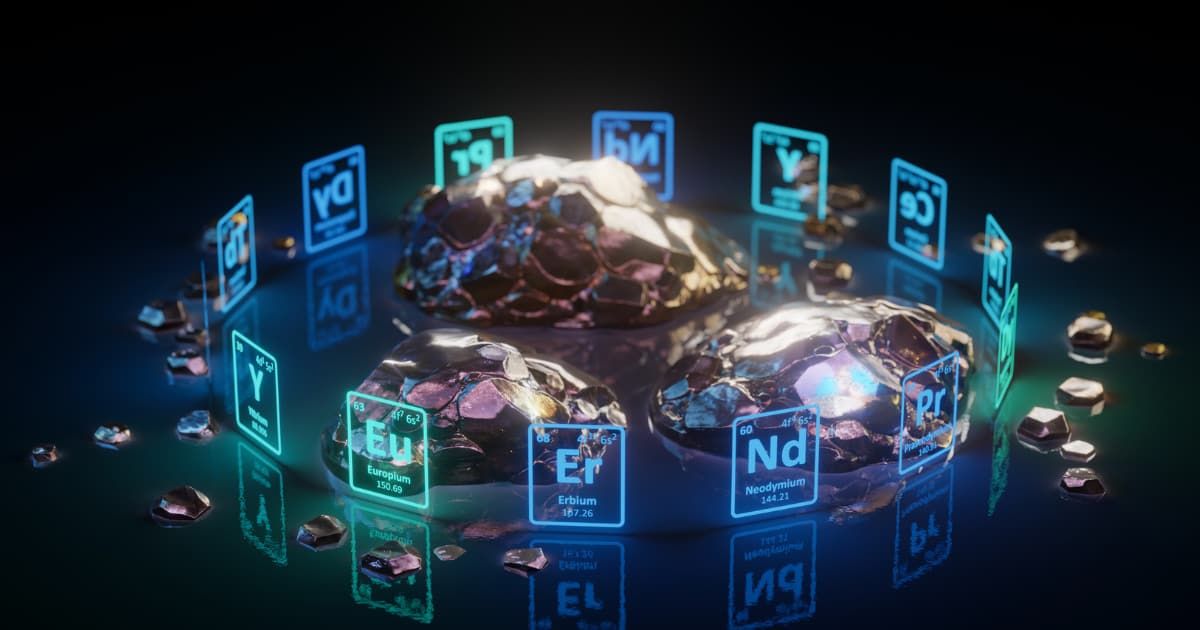
WASHINGTON, DC: President Donald Trump is set to launch 'Project Vault', a strategic $12 billion critical-minerals stockpile designed to insulate American manufacturers from supply shocks.
The initiative serves as a major bid to slash US reliance on Chinese rare earths and metals essential for the industrial economy. Bloomberg first reported the administration's plans on Monday, February 2.
The venture marries $10 billion from the US Export-Import Bank with $1.67 billion in private capital. Senior administration officials described the plan as a first-of-its-kind civilian stockpile, focusing on minerals like gallium and cobalt used in everything from iPhones to jet engines.
Institutional investors provide $1.67 billion in seed funding
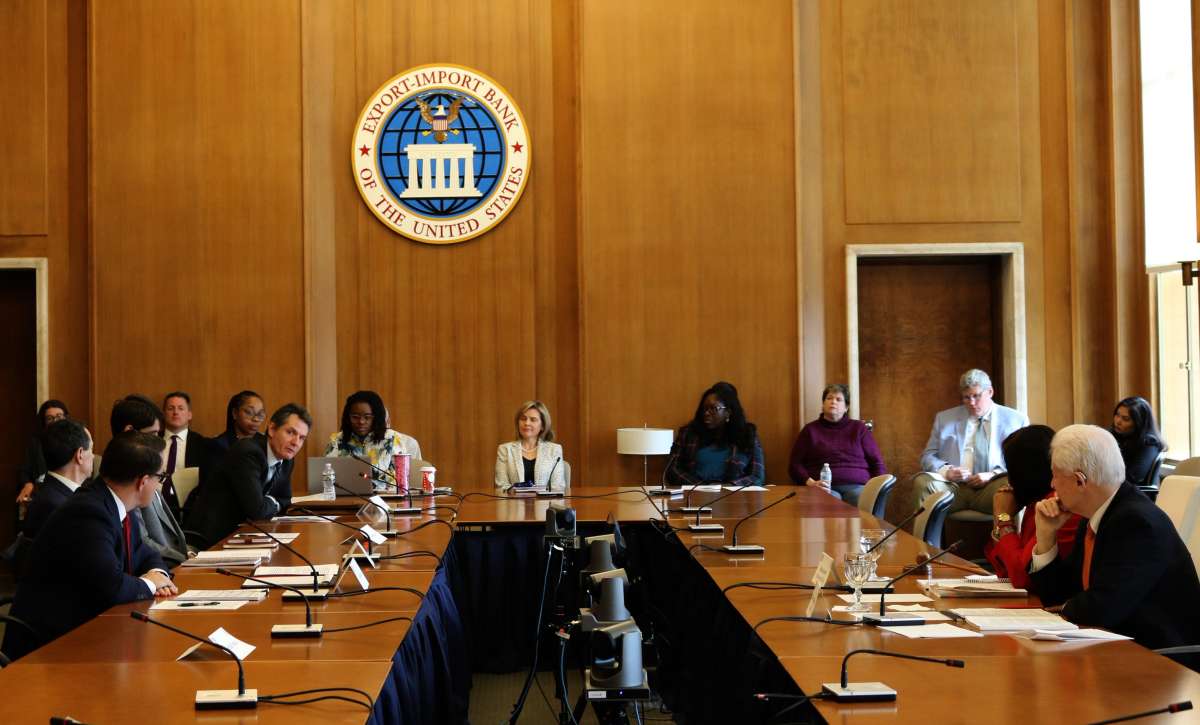
The US Export-Import Bank’s board is scheduled to vote on Monday to authorize a record-setting 15-year, $10 billion loan for the project. This authorization represents more than double the next-largest deal ever executed by the bank.
The remaining $1.67 billion in seed money will be provided by institutional investors. While specific investors were not named, officials noted that the project was oversubscribed due to the credit-worthy group of participating manufacturers and long-term commitments involved.
Three major commodities trading houses - Hartree Partners LP, Traxys North America LLC, and Mercuria Energy Group Ltd, have signed on to handle the procurement of raw materials.
These firms will act as procurement officers to fill and maintain the stockpile.
Corporate giants join strategic venture

More than a dozen major companies have already joined the initiative, including General Motors Co, Boeing Co, and Alphabet Inc’s Google. Other participants include Stellantis NV, Corning Inc, and GE Vernova Inc, representing sectors spanning automotive, aerospace, and technology.
President Trump is set to meet on Monday with GM CEO Mary Barra and mining billionaire Robert Friedland to discuss the project.
The administration intends for the stockpile to offer these manufacturers a way to hedge against price volatility without maintaining individual stashes.
The project gained momentum after China tightened export controls last year, a move that forced some US firms to dial back production.
'Project Vault' aims to ensure that manufacturers have access to materials like nickel even during historic price surges caused by geopolitical conflicts.
Stabilizing mechanism reduces price swings
Under the project's structure, companies make an initial commitment to purchase materials at a specified inventory price. They provide 'Project Vault' with a "shopping list" of preferred materials, which the project then procures and stores.
Manufacturers are charged carrying costs for interest and storage, but can draw down their stashes as long as they are replenished.
A key design element requires firms to repurchase materials at the same set price in the future to act as a stabilizing mechanism against market volatility.
In the event of a major global supply disruption, participating manufacturers will be granted access to their entire committed stash.
This mechanism is viewed by the administration as a critical tool to prevent the "havoc" that raw material price swings wreak on corporate balance sheets.
‘Project Vault’ launched to reduce reliance on China
'Project Vault' is part of a broader effort to wean US supply chains from China, currently the world’s dominant provider and processor of critical minerals.
The US has already inked cooperation agreements with Australia, Japan, and Malaysia to bolster domestic production and processing.
The administration plans to press more nations to join similar pacts during a summit of dozens of countries in Washington this Wednesday. This follows direct US investments in domestic mineral companies to boost rare earth production at home.
While the US currently operates a national stockpile for the defense-industrial base, 'Project Vault' marks the first time such a resource has been established for civilian manufacturing needs.