Federal judge blocks ICE courthouse arrests nationwide, blasts policy as 'no real decision making'
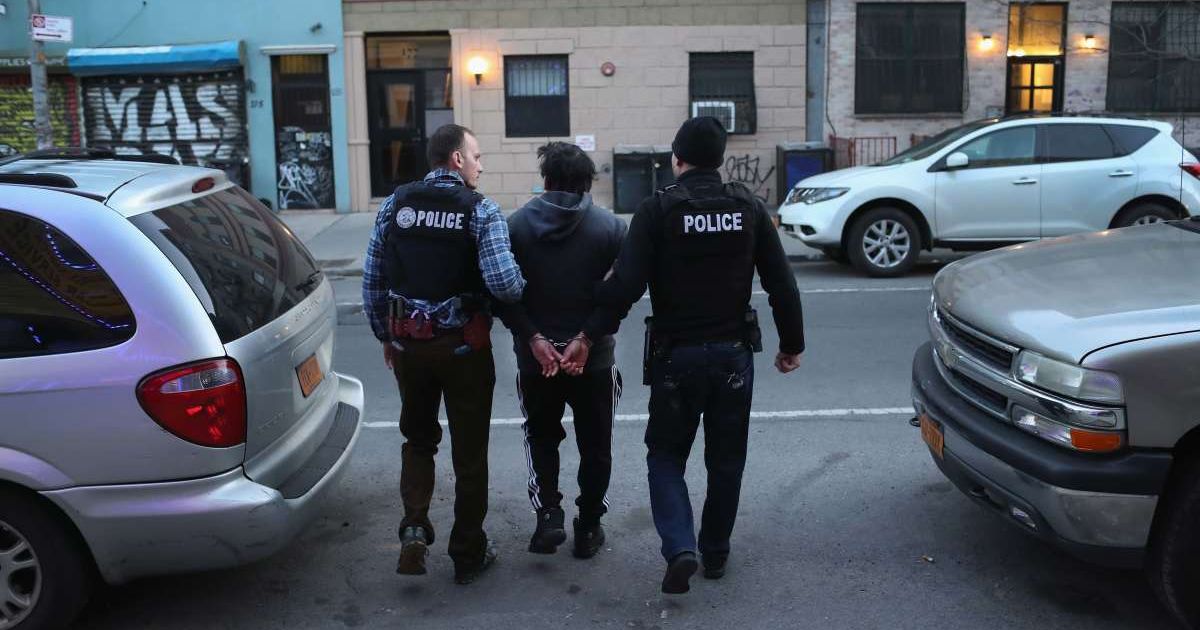
WASHINGTON, DC: A federal judge on Tuesday, June 23, handed the Trump administration a major legal defeat, blocking immigration agents across the country from arresting migrants at immigration courthouses and striking at a tactic that had become a cornerstone of the administration's deportation strategy.
The ruling doesn't just stop arrests inside immigration courts. It also raises broader questions about how far the government can go in turning the immigration system itself into an enforcement tool.
For months, migrants arriving at immigration hearings faced a growing dilemma: show up to court and risk being detained by federal agents, or miss the hearing and potentially damage their own case.
BREAKING: California-based federal judge Casey Pitts (Biden appointee) has just issued a nationwide injunction that blocks ICE from arresting suspected illegal immigrants at immigration courthouses. pic.twitter.com/v0ePmNRhxr
— Bill Melugin (@BillMelugin_) June 23, 2026
Now, a federal court has stepped in and slammed the brakes on that approach nationwide.
Court finds major flaws
US District Judge Casey Pitts ruled that Immigration and Customs Enforcement failed to properly justify the dramatic expansion of courthouse arrests and appeared unable to consistently explain what rules were actually governing the practice.
The judge was particularly critical of the government's shifting explanations during multiple court battles.

While federal lawyers defended the arrest policy in one case, government attorneys in another case later argued that the same policy was never intended to apply to immigration courthouses in the first place. That contradiction became a major issue.
According to Pitts, the record suggested ICE removed earlier restrictions without conducting the kind of careful review normally required when federal agencies make significant policy changes.
The judge concluded that the agency failed to adequately address one obvious consequence: migrants becoming afraid to attend court hearings.
When a judge sentences a defendant, the defendant is taken into custody. If an alien is ordered removed by an immigration judge, the same should happen. A district judge ordering otherwise is naked judicial activism in service of an anti-American, open borders agenda. https://t.co/l4WIBX2giF
— James Percival (@DHSGenCounsel) June 23, 2026
That concern was central to an earlier Biden-era policy that discouraged immigration enforcement activities near courthouses because of fears it could deter participation in the legal process.
A major blow to Trump administration
The decision lands at a sensitive moment for the Trump administration.
Immigration courts have become a key battleground in the administration's effort to accelerate removals and reduce a massive backlog of cases.
The decision immediately triggered outrage from administration officials.

Department of Homeland Security General Counsel James Percival blasted the ruling, arguing that migrants ordered removed should be taken into custody just as criminal defendants often are after sentencing.
He accused the court of interfering with immigration enforcement and framed the decision as judicial activism rather than a legitimate legal disagreement.
The administration is widely expected to challenge the ruling.