Trump says Tehran accepted fee-free shipping through Strait of Hormuz or talks would end
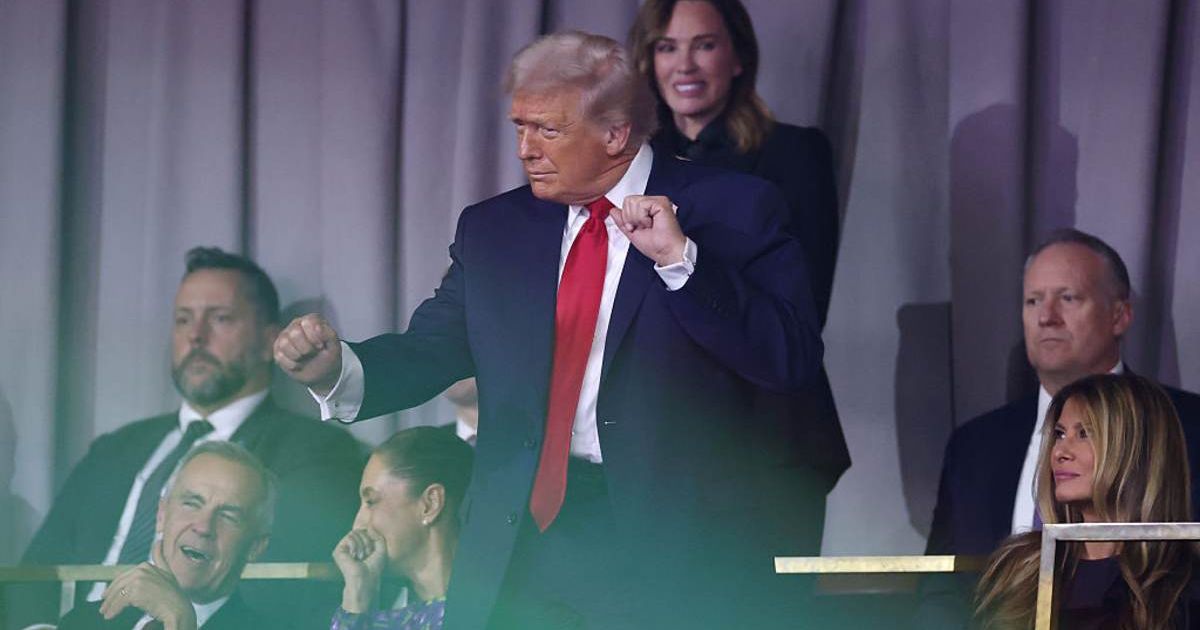
WASHINGTON, DC: President Donald J Trump has unveiled fresh details about his administration’s ongoing negotiations with Iran, insisting Tehran has formally agreed not to impose tolls, insurance surcharges, or additional fees on vessels passing through the Strait of Hormuz.
Iran has informed the U.S. that, despite troublemaking Fake News reporting to the contrary, there are “NO TOLLS, NO INSURANCE COSTS, & NO OTHER CHARGES OF ANY KIND BEING SOUGHT OR RECEIVED BY IRAN ON SHIPS TRAVELING THE STRAIT OF HORMUZ. If this is false information, negotiations… pic.twitter.com/w1JsOdRqID
— Commentary Donald J. Trump Truth Social Posts On X (@TrumpTruthOnX) June 24, 2026
Writing on Truth Social on Wednesday, June 24, Trump sought to push back against mounting criticism of the emerging US-Iran framework, which has faced scrutiny from lawmakers and foreign policy hawks over sanctions relief and access to frozen Iranian funds.
The president argued that unrestricted maritime access through one of the world’s most important shipping corridors represents a major concession from Tehran and a key component of the broader diplomatic process.
Trump outlines Hormuz shipping terms
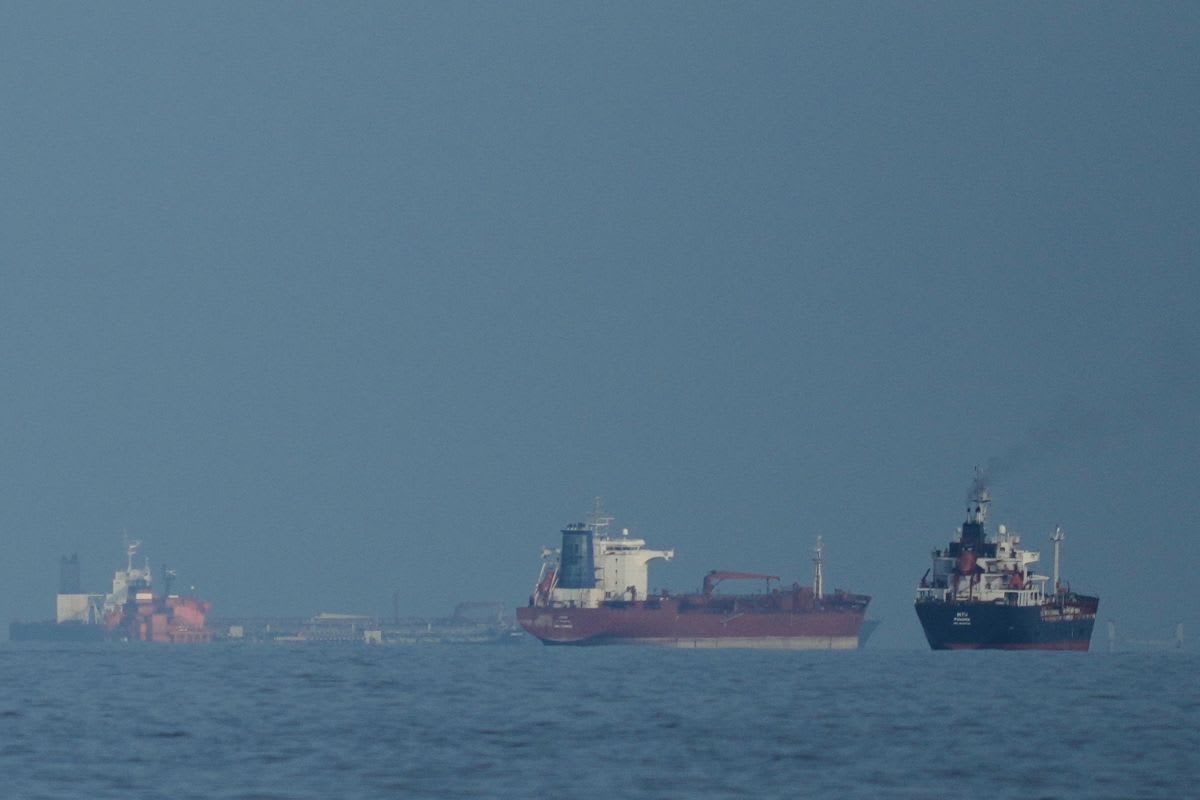
“Iran has informed the US that there are ‘NO TOLLS, NO INSURANCE COSTS, & NO OTHER CHARGES,’” Trump wrote, dismissing media reports suggesting otherwise.
The statement comes after weeks of speculation regarding whether Tehran would seek new revenue streams from commercial vessels using the strategic waterway.
Concerns about additional shipping costs had raised questions among international traders and energy analysts monitoring the negotiations.
Trump warned that if reports about future charges prove accurate, ongoing discussions could immediately collapse.
The declaration signals the administration's effort to reassure global markets that commercial shipping will continue moving through the Persian Gulf without new financial barriers.
Funds remain under American control

The president also addressed concerns surrounding potential sanctions relief, insisting that no money would be directly handed over to the Iranian government.
According to Trump, any released funds would remain under US oversight and be placed in controlled accounts designed for specific humanitarian and commercial purposes.
He stated that the arrangement would allow purchases of agricultural products, including corn, wheat and soybeans, while preventing unrestricted access to cash.
The comments appear aimed at countering critics who argue that sanctions relief could strengthen Tehran economically before permanent agreements are finalized.
White House defends negotiation framework
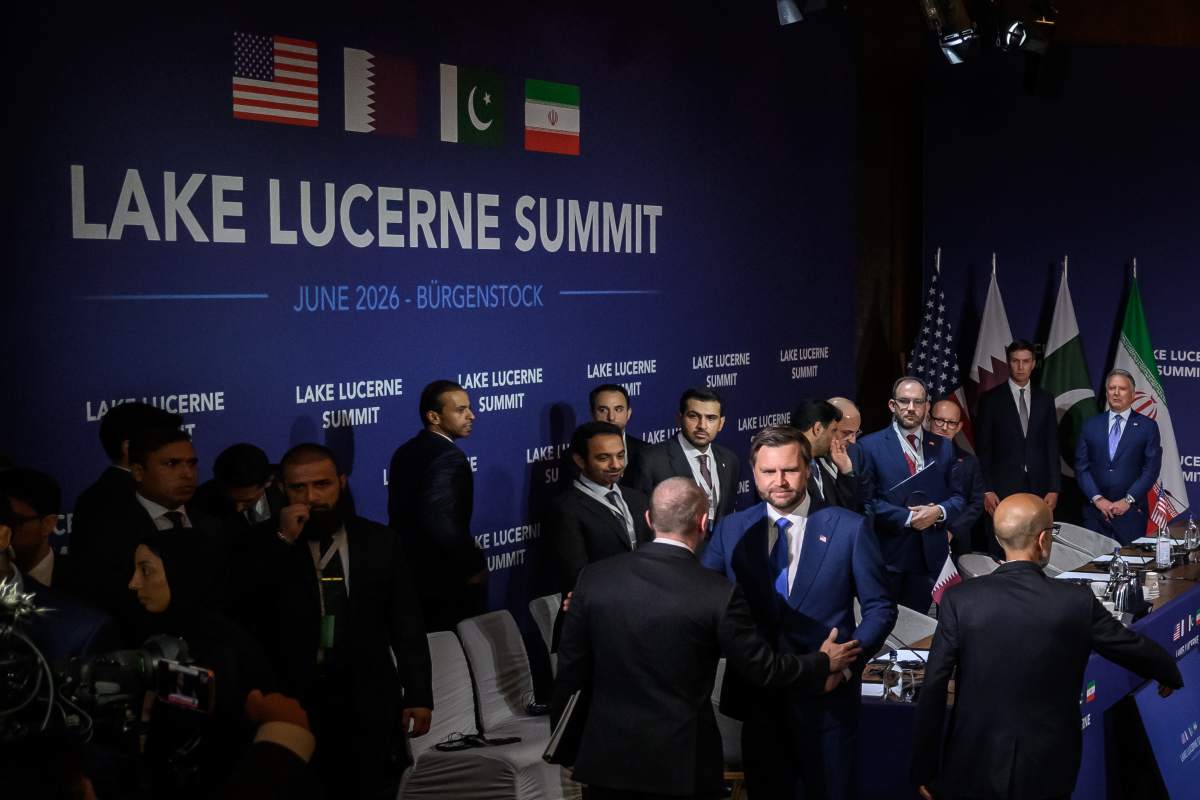
Trump framed the arrangement as a balanced approach that combines economic safeguards with broader regional stability goals.
He emphasized that food shortages and humanitarian concerns inside Iran were part of the administration's calculations, while maintaining that strict controls would remain in place throughout the process.
The remarks underscore the White House's ongoing effort to defend the emerging agreement as negotiations continue.
With shipping access, sanctions relief, and nuclear oversight all under discussion, the administration faces growing pressure to convince both allies and domestic critics that the framework serves American interests while preserving stability across one of the world's most important energy corridors.