Iran re-closes Strait of Hormuz days after signing Trump-backed peace pact
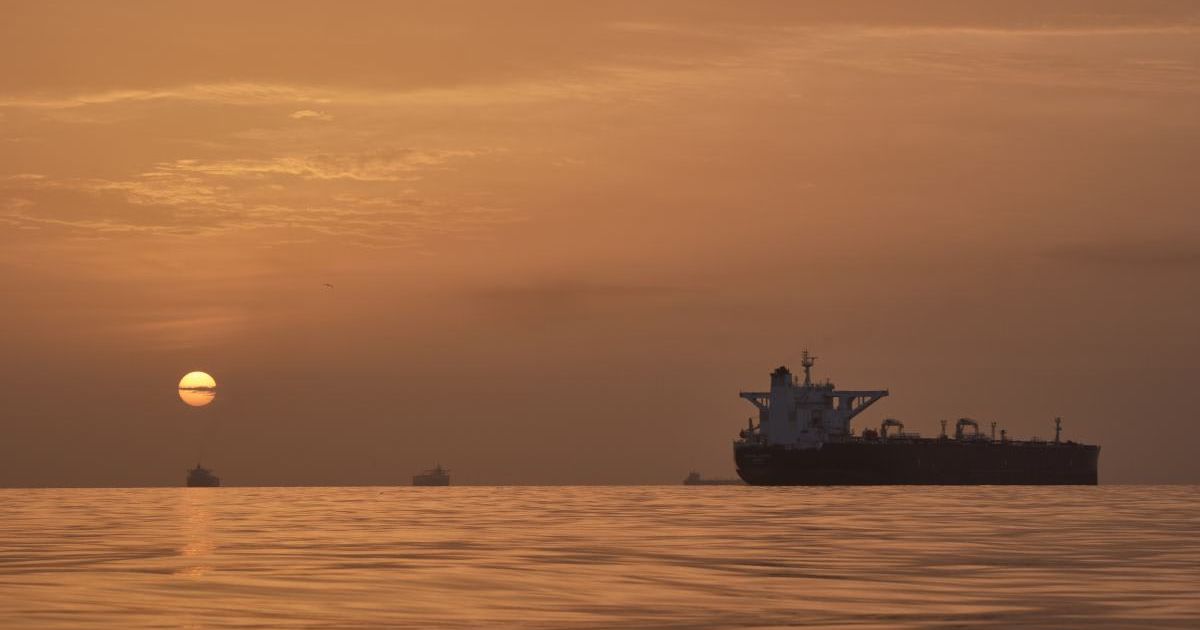
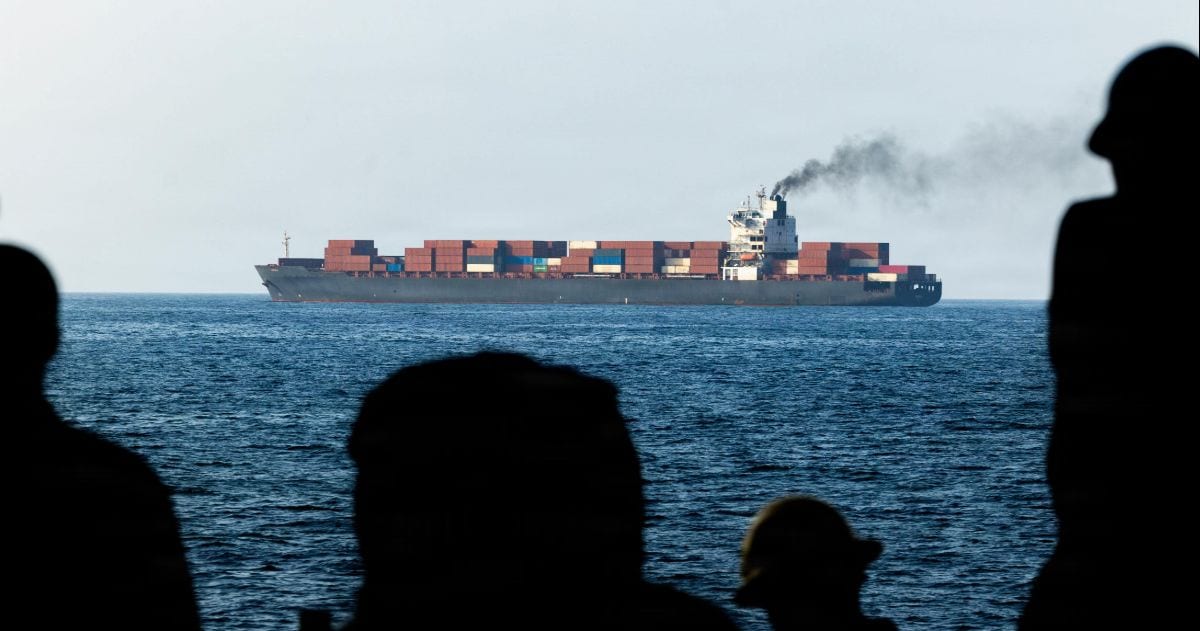
TEHRAN, IRAN: Just days after celebrating a breakthrough agreement with Washington, the Islamic Republic of Iran has abruptly re-closed the Strait of Hormuz, threatening to target any vessel entering the vital shipping lane.
The Islamic Revolutionary Guard Corps (IRGC) announced the total maritime suspension over emergency radio channels on Friday, June 19, completely derailing the initial round of bilateral nuclear talks scheduled to commence in Switzerland.
The severe provocation marks the single greatest threat to President Donald J Trump's signature Middle East peace effort.
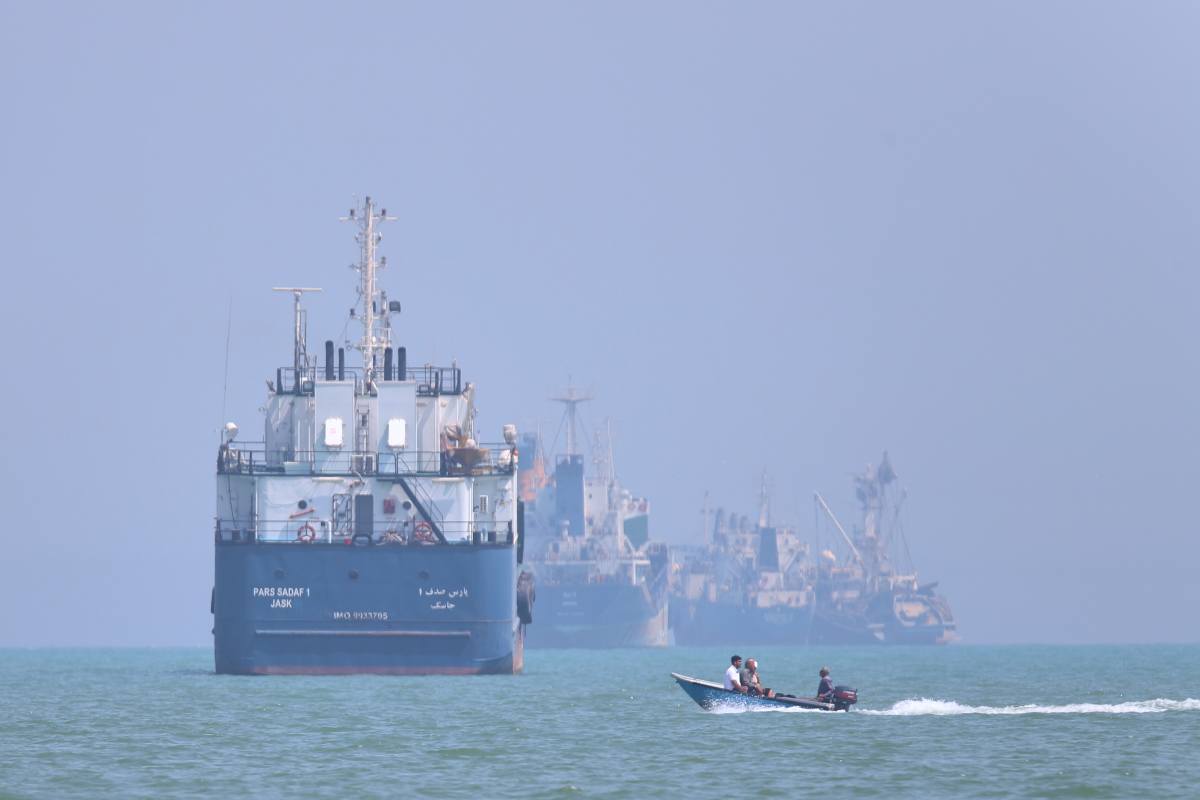
Tehran claims the United States has failed to execute a complete removal of its two-month naval embargo, using the phased 30-day drawdown text within the memorandum of understanding (MOU) as a legal pretext to freeze commercial transit.
Simultaneously, the regime has bolted ongoing border fighting between Israel and Hezbollah onto the dispute, declaring that the strategic chokepoint, which handles 20% of global petroleum consumption, will remain padlocked until Israeli forces fully evacuate sovereign Lebanese territory.
Tehran exploits drafting gaps to freeze shipping
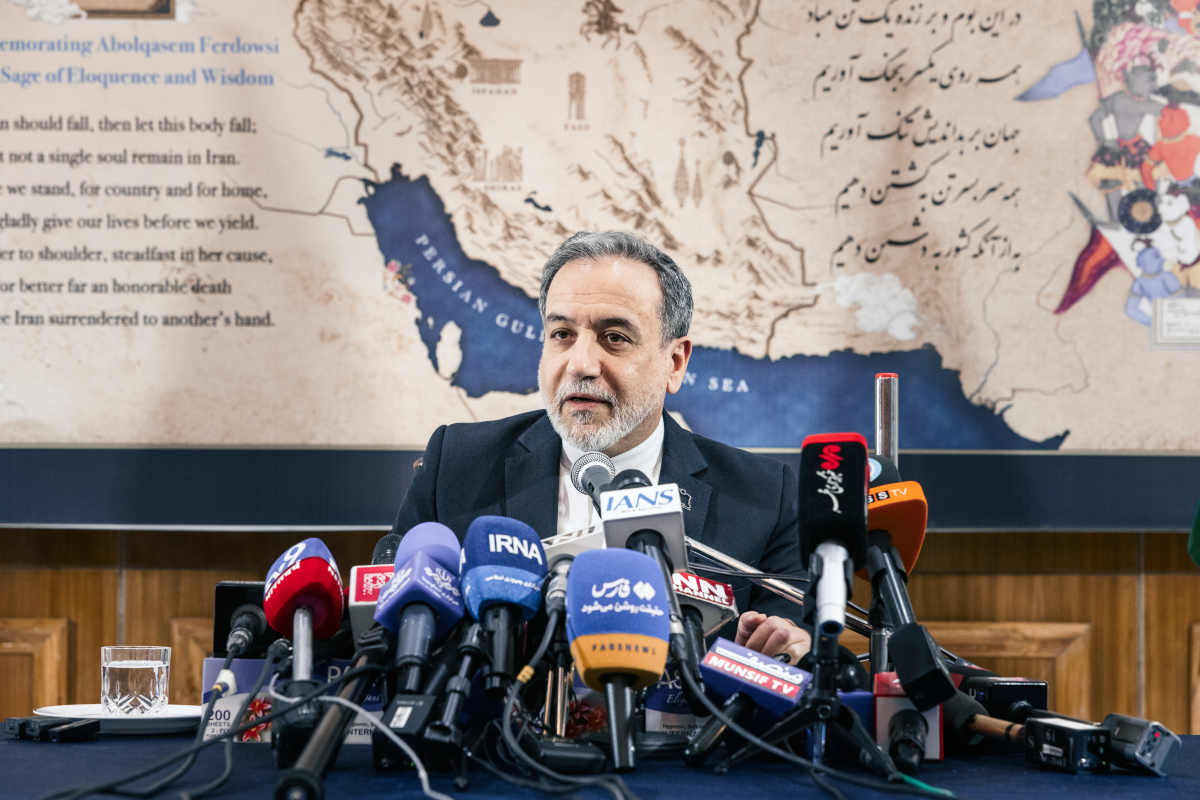
"Any vessel that defies this directive will be targeted," the IRGC statement warned, ordering global merchant fleets to immediately steer clear of the international waterway.
Defense analysts note that Iran is methodically exploiting the specific structural wording of the text to legitimize its non-compliance.
Since the signed memorandum gives the US Navy up to 30 days to fully dissolve its coastal cordon, hardline factions in Tehran are asserting that the current mid-process transition constitutes a fundamental violation.
By demanding an absolute, immediate lift alongside the total withdrawal of American forces from the Persian Gulf, Iran has created an effective blockade loop to stall diplomatic negotiations.
Lebanon occupation zone upends preliminary truce
Despite the reported ceasefire between Israel and Lebanese Hezbollah (LH), the Israel Defense Force has carried out additional strikes in Lebanon in the hours since the ceasefire was announced. This, amidst pledges from Israeli military and civilian decision-makers that Israeli… pic.twitter.com/hBNDitdbyo
— OSINTdefender (@sentdefender) June 19, 2026
The maritime shutdown expands a major geopolitical crisis regarding the structural limits of Trump's regional truce.
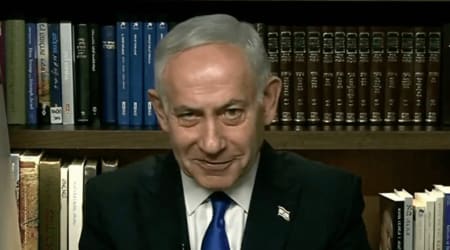
While the initial framework mandated that both signatories and their localized allies cease hostilities and respect Lebanese sovereignty, Israeli Prime Minister Benjamin Netanyahu aggressively countered that Israel will maintain an expanded security footprint in southern Lebanon to permanently protect northern municipalities.
The Israel Defense Forces published a revised tactical map illustrating a deeper occupation zone extending six miles across the border, north of the Litani River.
Iran has seized upon this expanded deployment to rope Israel into an agreement it never negotiated, demanding a total military pullback as an absolute prerequisite for unlocking global energy corridors.
New regulatory terms impose strict permit mandates
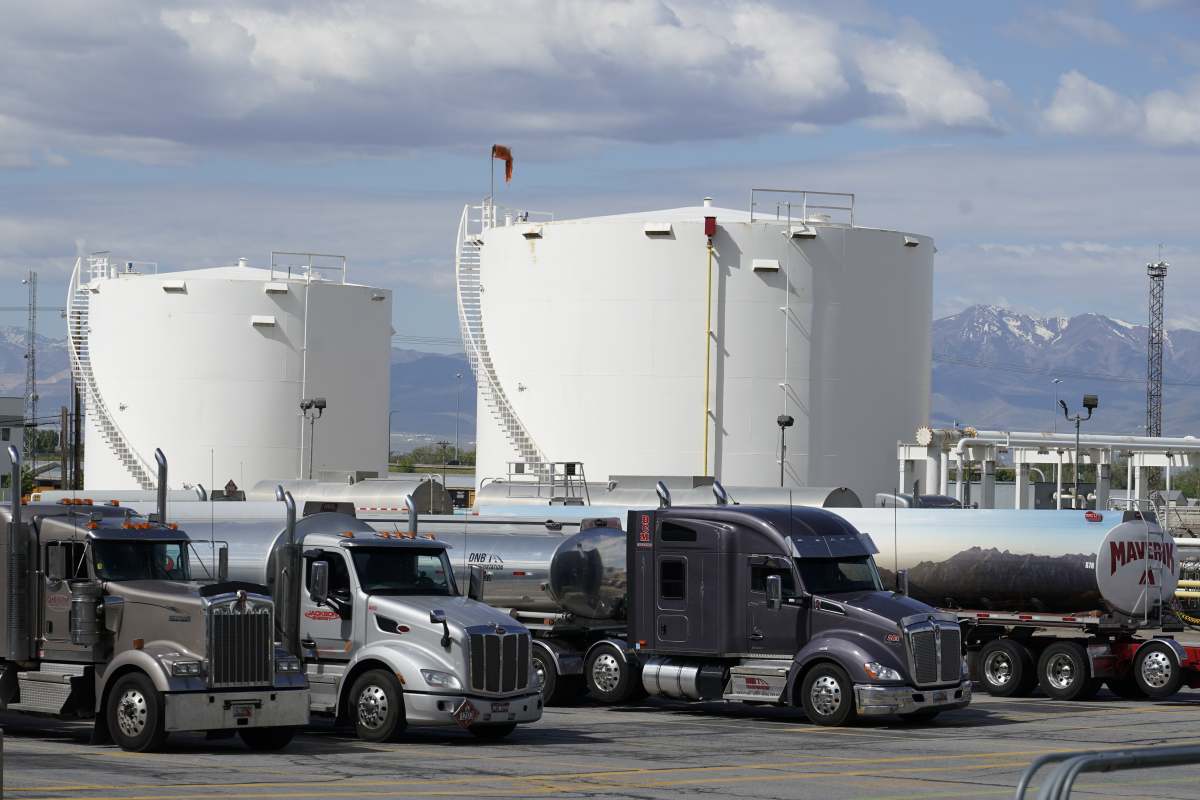 Energy traders are closely monitoring developments for signs of prolonged supply disruptions (George Frey/Getty Images)
Compounding the economic escalation, Iran’s newly established Persian Gulf Strait Authority has released a restrictive set of maritime terms and conditions.
The authority is now demanding that all commercial vessels secure explicit state permits prior to traversing the international strait, a mandate that never existed before the conflict erupted on February 28.
While the core text of the memorandum prohibits Iran from levying transit tariffs for the next 60 days, the document contains a secondary clause allowing Tehran to introduce specialized fees down the road.
By combining new administrative permit requirements with active military threats, the regime is rapidly asserting absolute regulatory dominance over the waterway, forcing global energy markets to brace for a renewed era of deep structural volatility.