Supreme Court backs Trump in green-card battle, expands immigration parole for returning residents
WASHINGTON, DC: The Supreme Court handed the Trump administration a significant immigration victory on Tuesday, June 23, ruling that federal border authorities possess the expansive constitutional power to place returning green-card holders on immigration parole based on unproven suspicions of criminal activity.
The highly anticipated 6-3 decision clears a major legal pathway for the Department of Homeland Security to systematically bypass standard residency protections and initiate accelerated deportation proceedings against lawful permanent residents.
The case, Blanche v Lau, centers on a 2012 border enforcement action involving Muk Choi Lau, a permanent resident from China who was intercepted by border officers at John F Kennedy International Airport upon returning from a short trip abroad.
Because Lau faced a pending, unproven trademark counterfeiting charge in New Jersey, border agents refused to formally admit him, using immigration parole to revoke his resident arrival status.
Lau argued the maneuver completely overstepped statutory limits, allowing the government to swiftly initiate expedited deportation tracks once he subsequently entered a guilty plea.
However, the conservative majority rejected that defense, solidifying a sweeping baseline for executive branch authority over national borders.
Judges affirm suspicion justifies parole placement
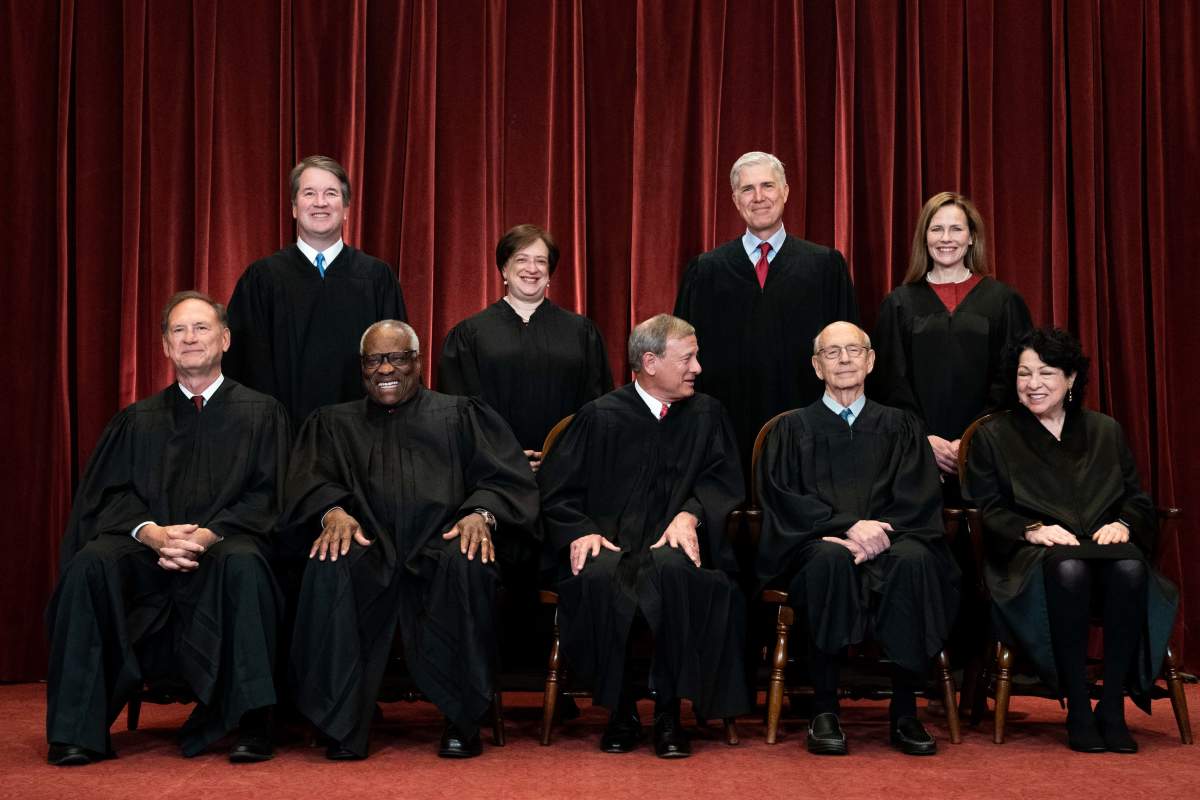
The high court's landmark ruling establishes that simple suspicion of a qualifying offense is legally sufficient to trigger an immediate shift into immigration parole status for returning residents.
By doing so, the justices effectively stripped returning green-card holders of the standard legal presumption that their admission remains valid until an official conviction is handed down.
The Trump administration's legal team had aggressively urged the panel to adopt an expansive reading of border sovereignty, arguing that any constraints on airport tracking tools would compromise national security.
The decision forces returning permanent residents with open files or unproven complaints to be reclassified as basic applicants for admission, radically diminishing their constitutional protections during standard border screening loops.
White House immigration crackdown gains judicial backing
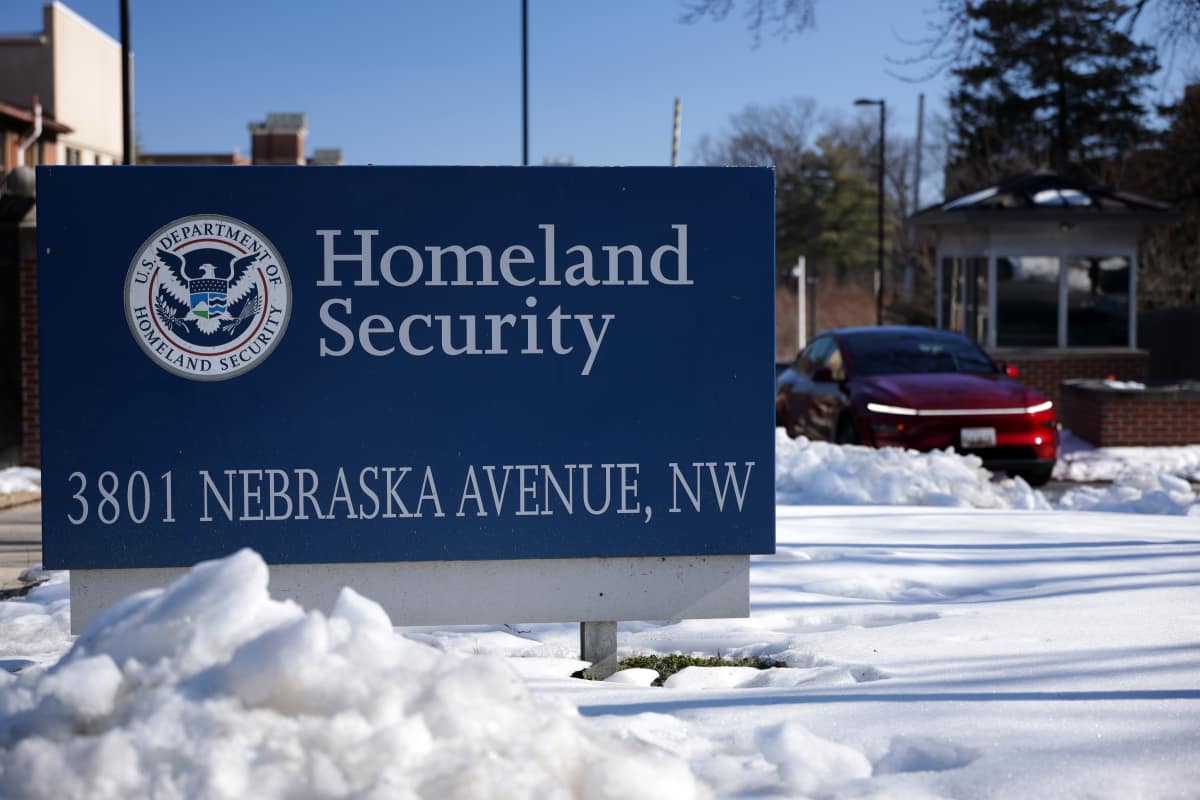
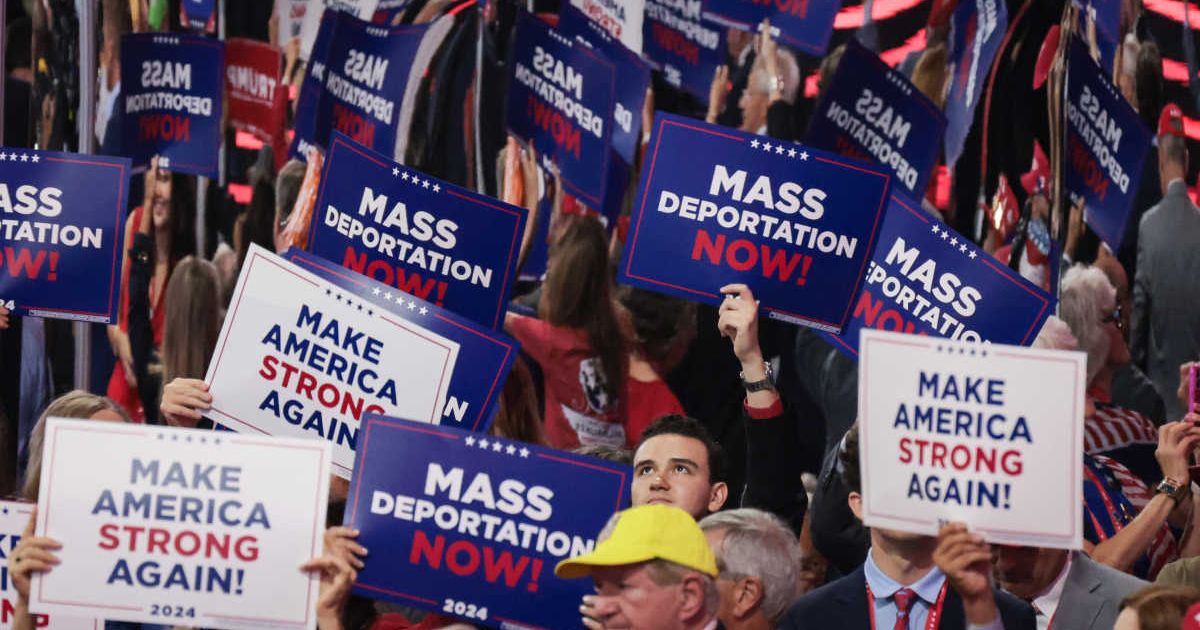
The ruling arrives as the White House aggressively escalates a broader immigration crackdown, using favorable judicial trends to dismantle long-standing humanitarian structures.
Department attorneys are already citing the decision to defend parallel executive actions targeting non-citizen tracking protocols across metropolitan transit stations.
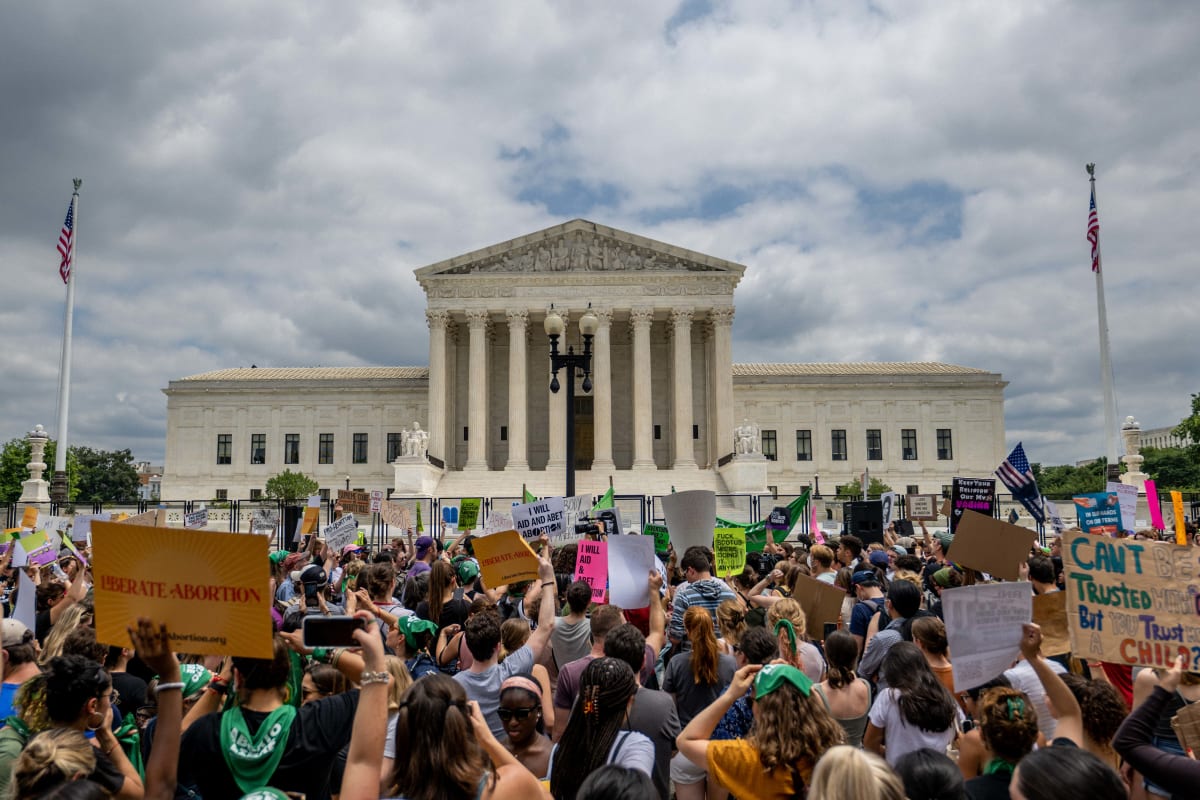
With the high court concurrently reviewing upcoming administrative actions regarding birthright citizenship mandates and temporary humanitarian asylum protections, the expansion of immigration parole powers signals a fundamental structural reassessment of resident rights.
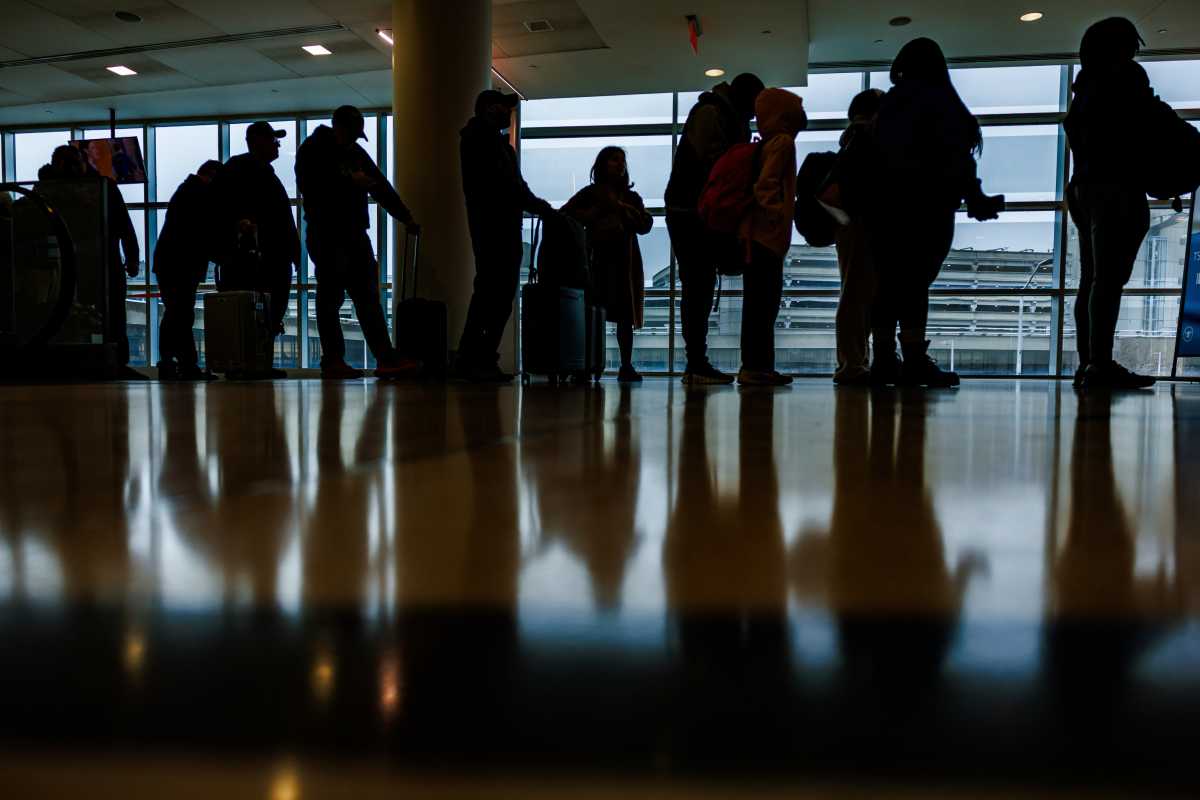
Immigration advocacy groups warn that the precedent places thousands of traveling green-card holders at immediate risk of immediate deportation maneuvers based solely on unverified local police reports, solidifying an uncompromising federal tracking framework at US international ports of entry.