White House says Fed chief Warsh isn't taking Trump's advice after holding rates steady
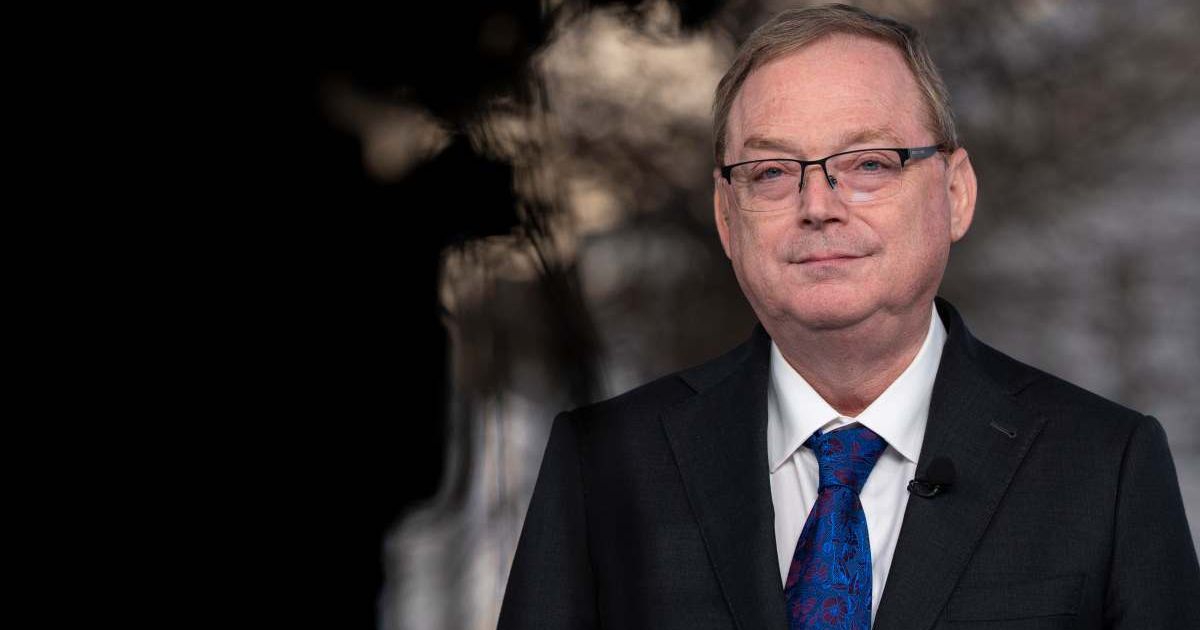
WASHINGTON, DC: National Economic Council Director Kevin Hassett has pushed back against mounting speculation that the White House is influencing Federal Reserve policy, insisting that newly installed Fed Chair Kevin Warsh operates completely independently.
Speaking on Monday, June 22, on CNBC’s 'Squawk Box', Hassett addressed growing scrutiny over the central bank's autonomy after the Federal Open Market Committee (FOMC) voted unanimously to freeze the benchmark interest rate target at 3.5% to 3.75% during its first policy meeting under Warsh's leadership.
The defensive commentary arrives amid heightened political tension, as President Donald J Trump has spent weeks publicly urging the central bank to slash borrowing costs to fuel his administration's broader domestic expansion goals.
The executive branch had aggressively path-cleared Warsh’s confirmation in May, which passed the Senate in a historic party-line vote to replace Jerome Powell at the helm of the world's most consequential financial institution.
While Trump previously claimed he wanted Warsh to do whatever he wanted, the sudden rate freeze represents an early tactical departure from the White House's immediate economic priorities, forcing administration officials to explicitly defend the boundary between executive desires and independent monetary policy.
White House denies advising personal ally
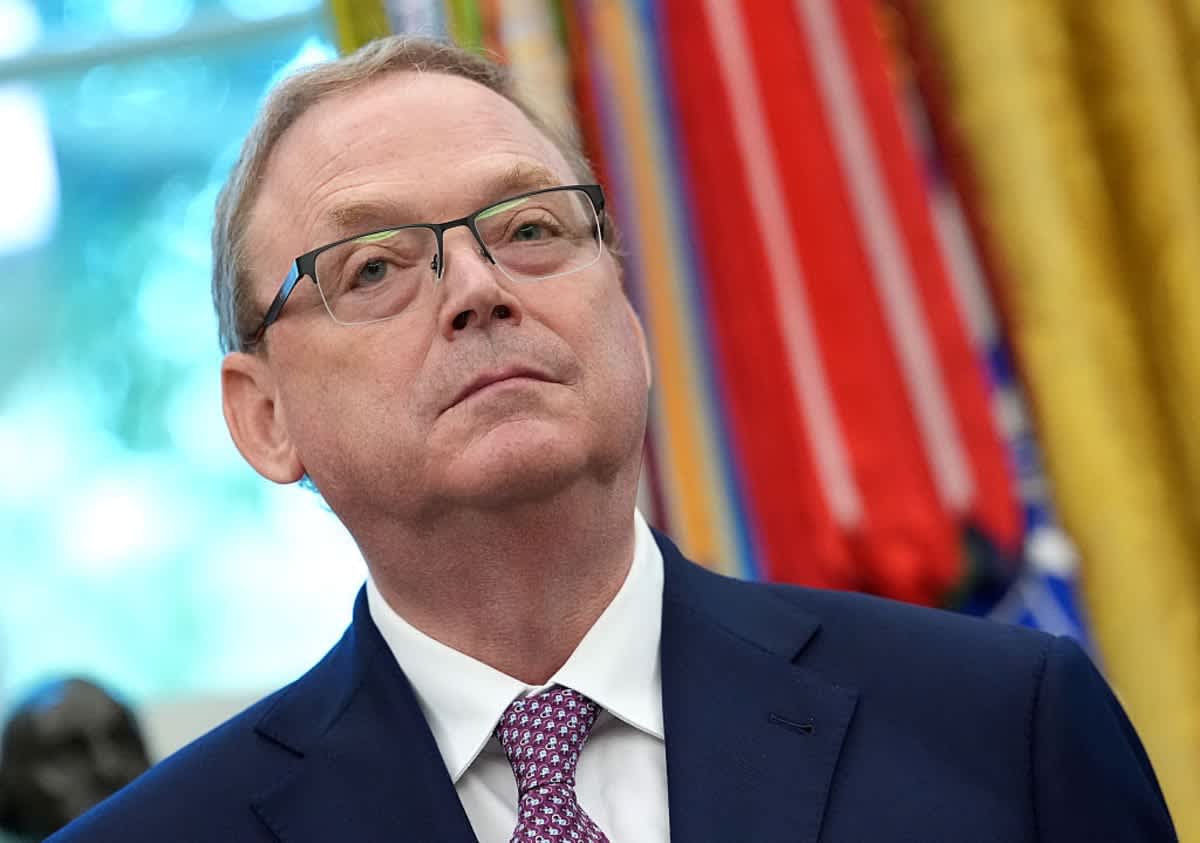
"He’s not asking the White House for advice on what to do with interest rates," Hassett stated, attempting to cool down immediate market anxieties.
While acknowledging that he and Warsh have been close personal friends for over thirty years and speak regularly, Hassett maintained that their dialogue never crosses into active monetary policy coordination.
The White House is framing the steady rate decision as a necessary response to temporary macroeconomic distortions rather than a direct snub of presidential preferences.
Annual inflation hit a painful three-year high of 4.2% in May, driven primarily by severe international energy shocks resulting from the ongoing conflict in Iran.
Because consumer prices remain well above the central bank's long-standing 2% target, the FOMC opted for structural stability over immediate expansion, with nine out of twelve voting members already projecting at least one defensive rate hike later this year.
New chairman implements rigid institutional overhauls
Kevin Warsh just ended his first ever FOMC meeting as Fed chair.
— Bull Theory (@BullTheoryio) June 17, 2026
His message to markets: "I can't give you any guidance on what we're going to do next."
Here is what he said:
1. Inflation is still way above the Fed's 2% target and prices are too high for most people
2. "We… pic.twitter.com/rAjaqRu7HV
Despite the policy freeze, Hassett argued that Warsh has already made a massive amount of progress toward systematically re-engineering the central bank's operational framework.
The new chairman is aggressively introducing strict new internal procedures designed to inspect and dismantle the legacy economic modeling systems utilized under the Powell administration.
Most notably, Warsh used his inaugural post-meeting press conference to announce that the Fed will systematically move away from forward guidance forecasting, arguing that repetitive policy charting blinds the committee to authentic market telemetry.