Trump administration delays medicaid work requirements by six months, giving states until July
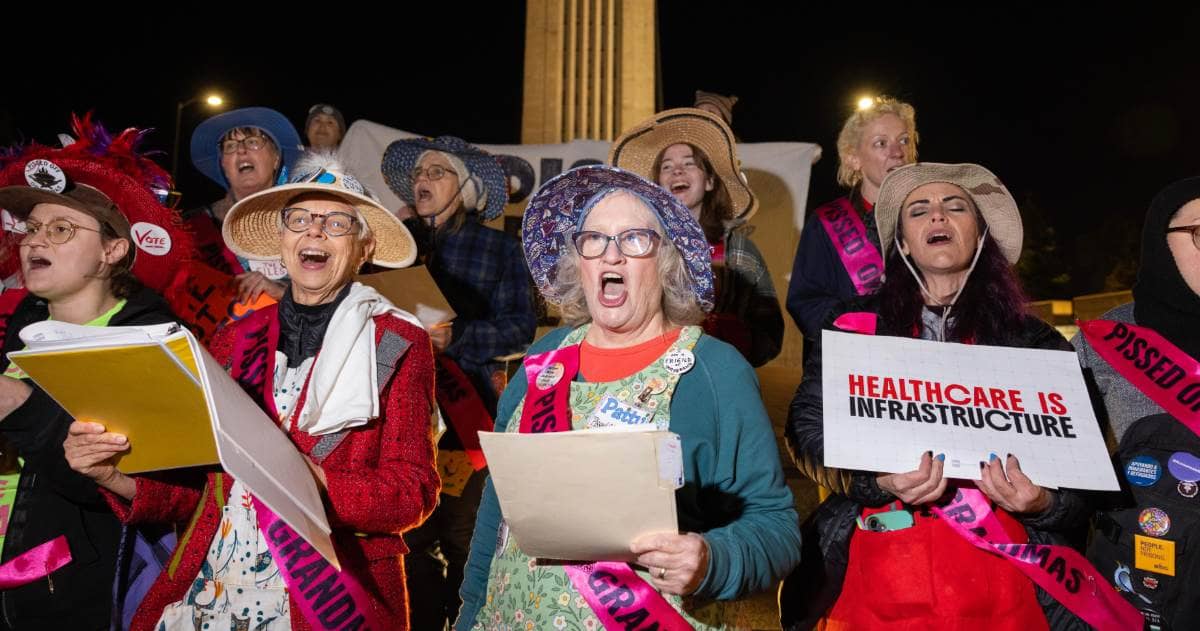
WASHINGTON, DC: The Trump administration has delayed enforcement of new Medicaid work requirements by six months, giving states until July 1, 2027, before facing federal penalties for not implementing the rules.
The requirements, a central provision of President Donald Trump's domestic policy legislation, were originally scheduled to take effect on January 1, 2027. The Centers for Medicare and Medicaid Services (CMS) on Friday, November 13, announced an optional transition period, after months of warnings about the risk of eligible people losing coverage.
CMS gives states until July to enforce medicaid work requirements
Under the new guidance, states can opt into a six-month "hold harmless" period through June 30. States choosing this option will not face federal accountability for failing to enforce the requirements during the transition period. However, the rules will technically take effect on January 1, meaning states will still begin checking whether Medicaid recipients meet the eligibility conditions or qualify for an exemption.
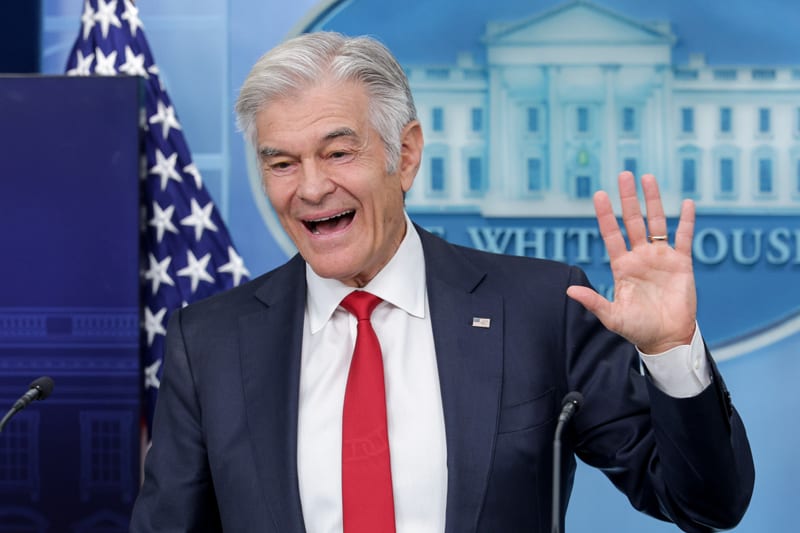
The policy requires many adults under the age of 65 who are considered able-bodied to document at least 80 hours a month of employment, volunteering, or participation in an educational programme to retain Medicaid coverage.
CMS said that the additional time would allow states to improve their systems and prepare for implementation. Dan Brillman, who oversees Medicaid at the agency, said that states had made progress but needed more time to ensure the requirements could be administered effectively.
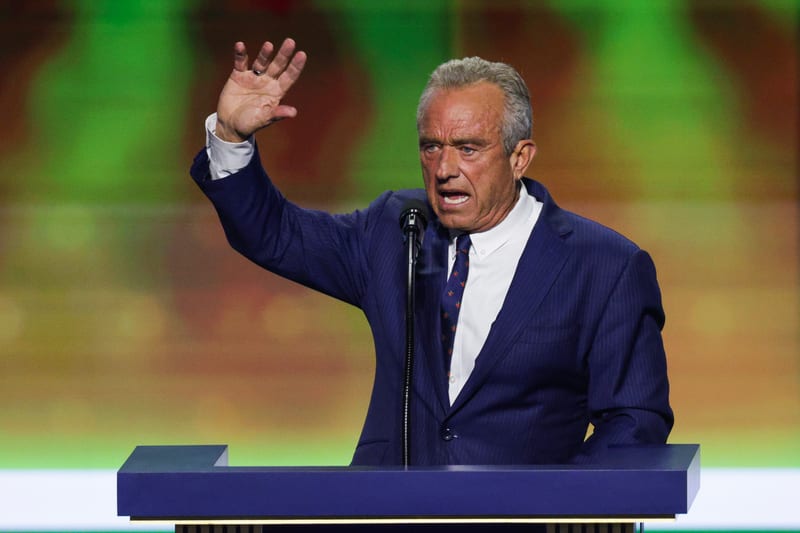
Several states had raised concerns about the timetable, particularly the challenge of notifying millions of recipients, tracking compliance, and processing exemptions. Five Democratic governors had asked Health Secretary Robert F Kennedy Jr last month to postpone implementation, arguing that state agencies were not prepared.
Nebraska, which began implementing the requirements on May 1, has already reported that more than 1,000 people had lost coverage or been denied benefits under the rules through August. The early rollout has also highlighted concerns about recipients losing benefits because they failed to submit the required paperwork, rather than because they did not meet the work criteria.
Medicaid work rules could leave 5.3 million more people uninsured
The work requirements are part of Trump's major tax and spending legislation, which the administration has defended as a way to encourage employment, reduce government spending and preserve benefits for those who need them.
The Congressional Budget Office (CBO) estimated that the work requirements alone could leave 5.3 million additional people uninsured by 2034. The rules are also projected to save the federal government $317 billion, contributing to nearly $1 trillion in Medicaid cuts under the legislation.
A federal judge last month also blocked part of the requirements concerning medically frail recipients. The provision had required some chronically ill beneficiaries to demonstrate that their condition significantly limited their ability to work to qualify for an exemption. The court raised concerns that the rule could result in people wrongly losing coverage.
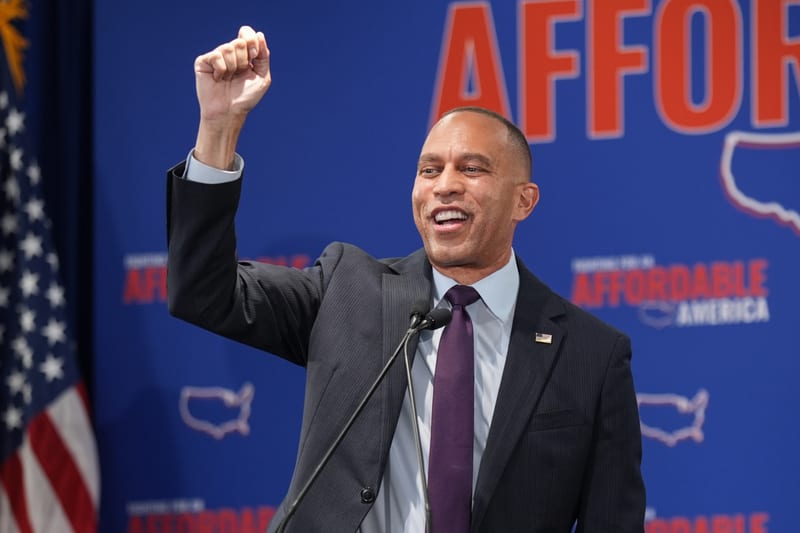
The announcement was made after Democrats secured complete control of both chambers of Congress in the midterm elections, campaigning on promises to reverse Republican cuts to healthcare and food assistance. Democrats are now expected to push for further delays or seek to repeal the Medicaid work requirements when they take control in January 2027.
The Trump administration just delayed implementation of the Republican Medicaid cuts by six months. We will keep the pressure on until these cuts have been completely and permanently reversed.
— Hakeem Jeffries (@RepJeffries) November 13, 2026
Incoming House speaker Hakeem Jeffries already called for pressure to reverse the cuts. "The Trump administration just delayed implementation of the Republican Medicaid cuts by six months. We will keep the pressure on until these cuts have been completely and permanently reversed," Jeffries wrote in a post on X (formerly Twitter).