Trump brushes off losses by endorsed candidates, insists his 2024 victories tell a different story
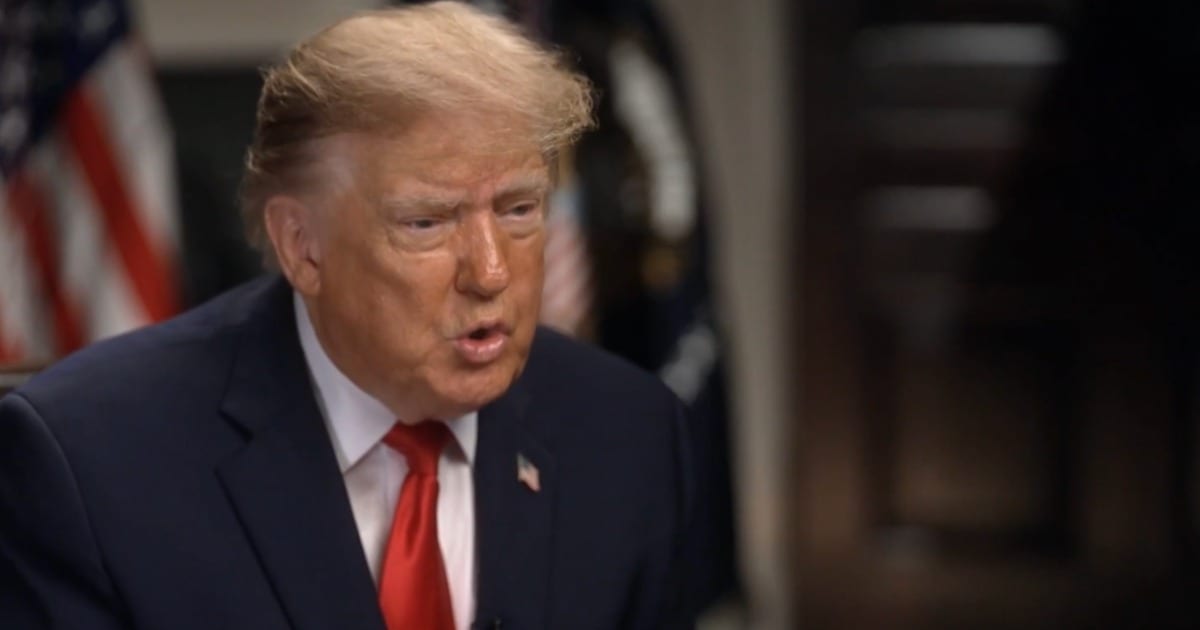
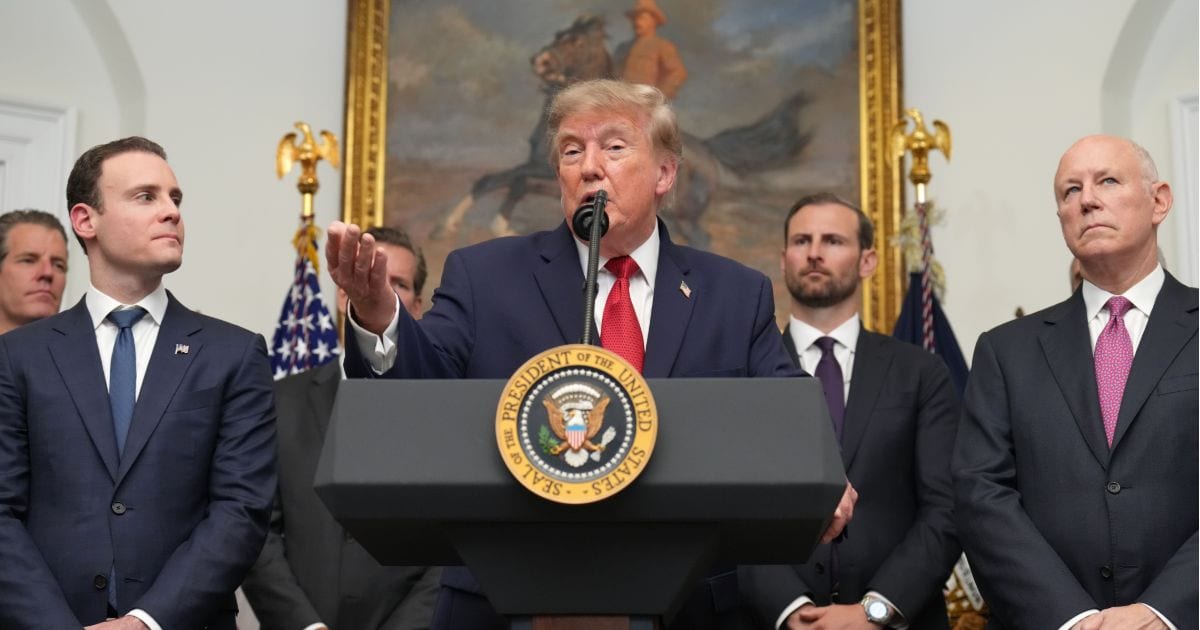
WASHINGTON, DC: President Donald Trump on Sunday, November 8, defended the Republican candidates he endorsed after the party suffered widespread losses in last week's midterm elections, arguing that his own popularity had not translated into support for them.
In an interview with CBS' '60 Minutes' correspondent Ross Douthat, Trump said he had campaigned hard for several candidates but suggested that some voters either stayed home or chose not to support the nominees.
The president also pointed to his 2024 victories in states including Texas and South Carolina when questioned about the defeats of candidates he had backed.
Trump blames voter turnout for GOP midterm losses
Douthat opened the discussion by contrasting Trump's 2024 presidential victory with the Republican Party's losses in the midterms, asking him to explain the election results.
“Well, number one, I was not on the ballot,” Trump said.
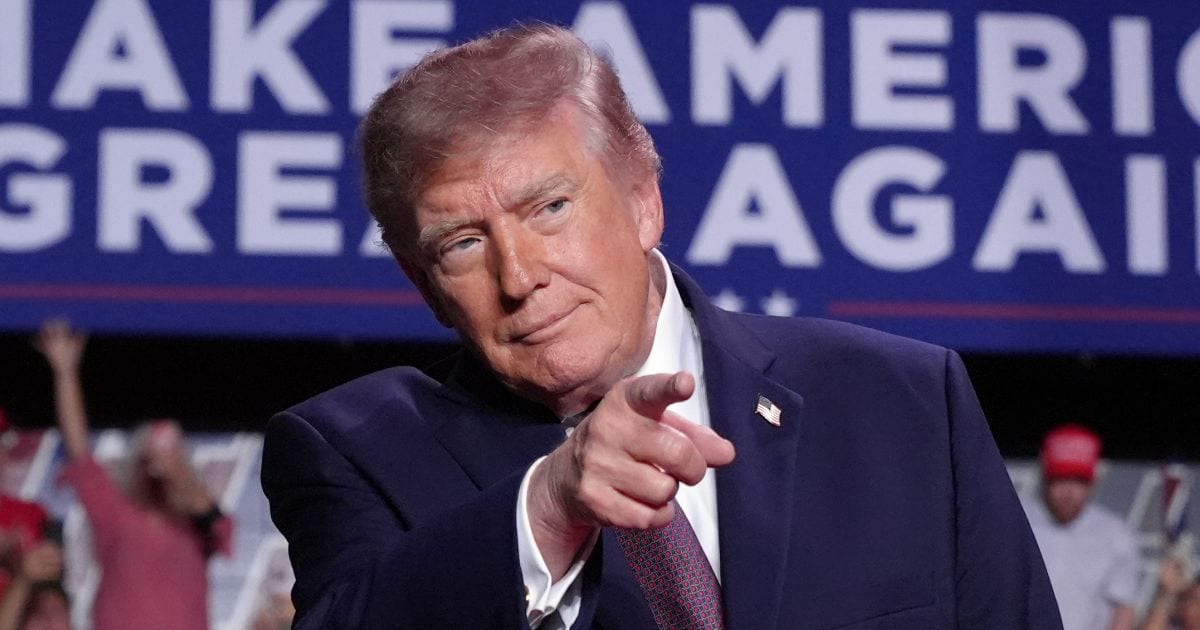
The president argued that the outcome would have been different had he been running, citing the large crowds at his campaign rallies and the support he received during the presidential election.
60 MINUTES REPORT: Ross Douthat interviews President Trump in his first sit-down interview since the 2026 midterm elections. The wide-ranging conversation covered immigration and corruption, Iran and artificial intelligence, his potential successors and his own mortality. The interview begins with the election results.
— 60 Minutes (@60Minutes) November 9, 2026
“I think if I was on the ballot, it would’ve been a much different situation because you saw the level of popularity and love. So, you had to transfer those voters, however, to candidates that they didn’t like. But there’s something beyond that.”
Trump also identified the Iran war, rising gasoline prices and public attitudes toward Israel as factors behind the Republican losses.
He then defended his administration's position on Iran, saying the country should not be allowed to obtain a nuclear weapon.
Douthat then shifted the discussion to Trump's previous remark that “it was tough to transfer your own appeal to candidates,” to which the president replied, “yeah.”
Douthat followed up by pointing out that Trump had personally “picked the candidates” in this year's midterms, including Texas Attorney General Ken Paxton and South Carolina Republican Darline Graham “in a lot of cases.”
Paxton lost to Democratic state Representative James Talarico, while Graham, who had been appointed to complete her late brother Lindsey Graham’s Senate term, lost to Democratic candidate Dr Annie Andrews.
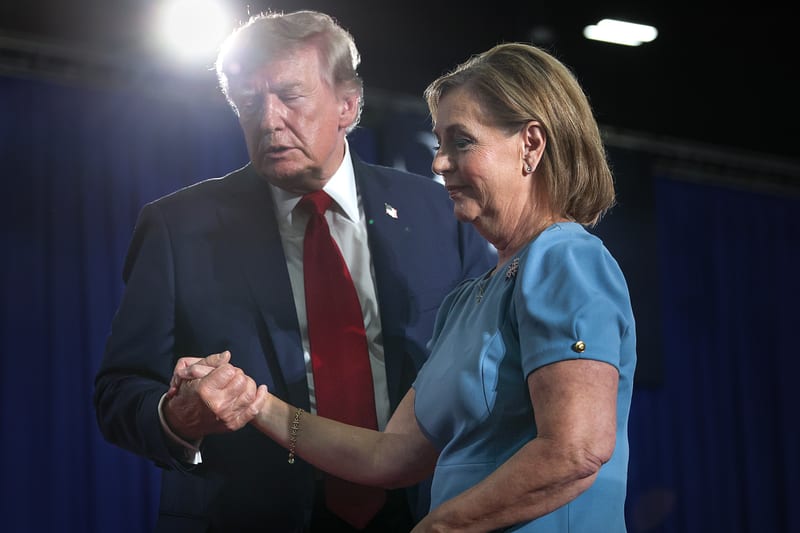
When Douthat pointed out that Graham had lost in a traditionally Republican state to a liberal challenger, Trump defended his decision to support her, saying he had endorsed her in honor of Lindsey Graham, whom he described as a friend.
He also argued that Texas Senator John Cornyn would have lost had he been the Republican nominee instead of Paxton.
Trump defends endorsements, cites 2024 election wins
When asked why his popularity had not translated into victories for the candidates he endorsed, Trump cited his own vote totals in several states.
“I won, I won South Carolina by the highest vote in history by far. I won Texas by the highest vote in history by far. I won Florida who, by the way, I did endorse. And he’s (Byron Donalds) gonna be, a great governor and a great senator (Ashley Moody). I endorsed both of them. And, had I not endorsed them, they wouldn’t have won ’cause there was a wave.”
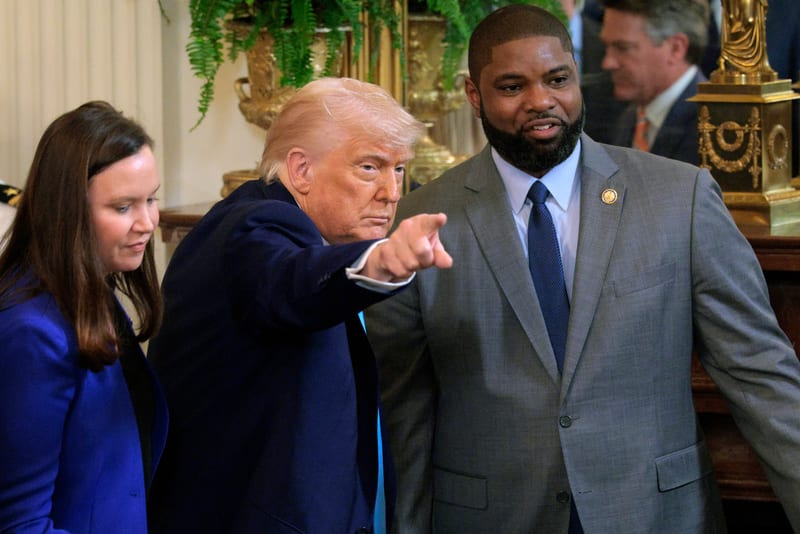
Trump also pointed to Ohio Republican Jon Husted, saying the candidate had been trailing by 15 points before narrowly losing.
He claimed that he had helped bring several candidates closer to victory but acknowledged that his support had not been enough to secure their wins.