Trump says fixing one of his biggest campaign issues may have actually hurt him politically
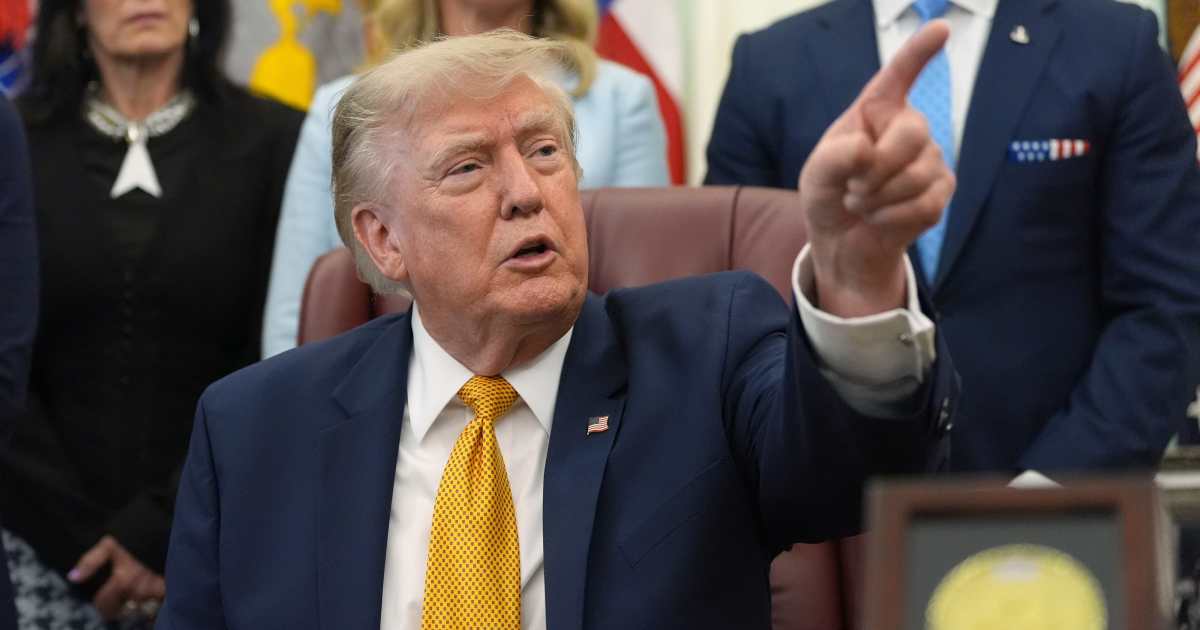
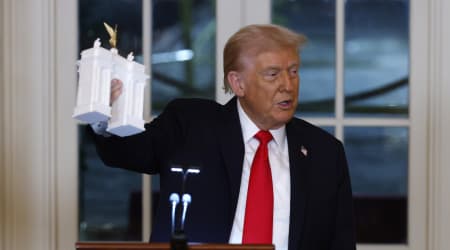
WASHINGTON, DC: President Donald Trump made a rare political admission Monday, August 3, suggesting that successfully delivering on one of his signature campaign promises may have actually worked against him.
Speaking at the White House, Trump argued that his administration's rapid crackdown on illegal immigration removed the border from the political spotlight so quickly that voters largely stopped paying attention.
The comments offered an unusual glimpse into Trump's own campaign instincts, shifting the conversation from immigration policy itself to how political success can sometimes erase the issue that helped drive it.
Trump reflects on political downside
Trump said even members of his own speechwriting team have urged him to stop emphasizing border security because, in their view, Americans believe the issue has already been resolved.
🚨 PRESIDENT TRUMP: Somebody said you did it too fast. I secured the border in 30 days! Somebody said you should have taken a year and a half or two years completed, because everyone forgets!
— Eric Daugherty (@EricLDaugh) August 3, 2026
"Even my speech writers, they say, sir, nobody wants to hear about the border anymore.… pic.twitter.com/eSFu7OgSdC
"Nobody wants to hear about the border anymore. You've done it," Trump said, recalling what his advisers have told him.
The president then joked that, from a purely political perspective, he might have been better off stretching out the crackdown instead of moving so aggressively during his second term.
"I should've taken a couple of years to do it," Trump remarked, adding that Americans tend to have a "two-week memory" when it comes to major accomplishments.
The comments marked an unusually candid reflection from Trump, who typically highlights policy victories rather than discussing whether achieving them too quickly could carry political consequences.
Border remained top campaign issue
Immigration was one of the defining issues of Trump's 2024 presidential campaign and has remained central to his second-term agenda. Trump argued Monday that he inherited what he described as "the worst border maybe in world history" from former President Joe Biden, saying his administration had no option but to move immediately.
President Trump warns the U.S. could be "just like" Spain if Democrats regain power, arguing the party has moved beyond socialism and "directly to communism."
— Fox News (@FoxNews) August 3, 2026
Pointing to the Biden administration's immigration policies, Trump says the U.S. went from "the worst border in the… pic.twitter.com/2pI2I8bkpJ
According to the Department of Homeland Security, the administration deported more than 356,000 undocumented immigrants during fiscal year 2026. Officials have also highlighted "zero releases" at the southern border over the past year, referring to Border Patrol not releasing apprehended migrants into the United States while immigration proceedings continue.
Trump maintained that acting slowly simply was not an option given the scale of the situation he believed he inherited.
Spain question prompts wider reflection
Trump's comments came after reporters asked about viral footage showing thousands of migrants attempting to enter Spain's North African enclave of Ceuta.
.@POTUS: When I saw what happened in Spain, I said we had a version of that—you could say much worse. We allowed 25 million people under Joe Biden, the Democrats. We had open borders, and countries all over the world sent people that they don’t want into our country. We're going… pic.twitter.com/wkMdGANO3g
— Rapid Response 47 (@RapidResponse47) August 3, 2026
Using the question as a broader comparison, Trump argued that the United States had faced an even greater immigration challenge during the previous administration.
"When I saw what happened in Spain, I said, you know, we had a version of that," Trump said. "You could say much worse."
Rather than using the exchange solely to criticize Biden's immigration record, Trump turned it into a broader reflection on politics itself. His central argument was that fixing a problem quickly can sometimes make it disappear from public debate just as fast, leaving politicians with fewer opportunities to remind voters of what they accomplished.