Trump says Iran war will end through a ‘mutual’ decision with Netanyahu
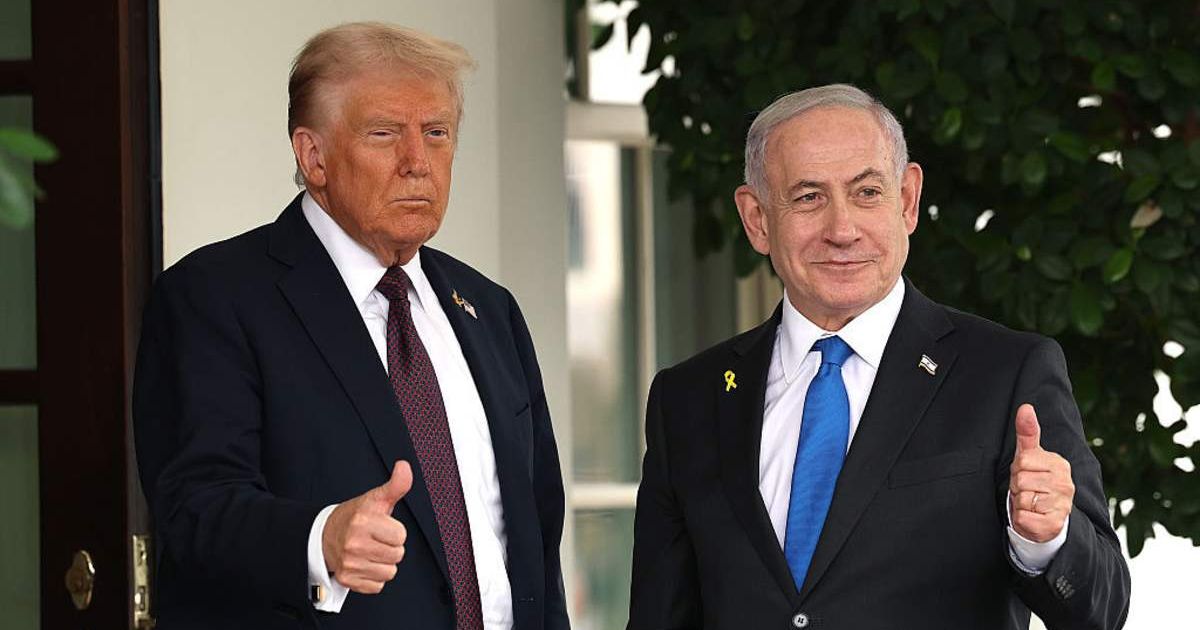
WASHINGTON, DC: In a phone interview with The Times of Israel on Sunday, March 8, President Donald Trump discussed the ongoing war with Iran and the role of Israeli leadership in determining when the conflict might end.
The president indicated that the decision would involve coordination with Israeli Prime Minister Benjamin Netanyahu. Trump also emphasized the cooperation between the United States and Israel during the conflict and reflected on the broader implications of their actions against Iran.
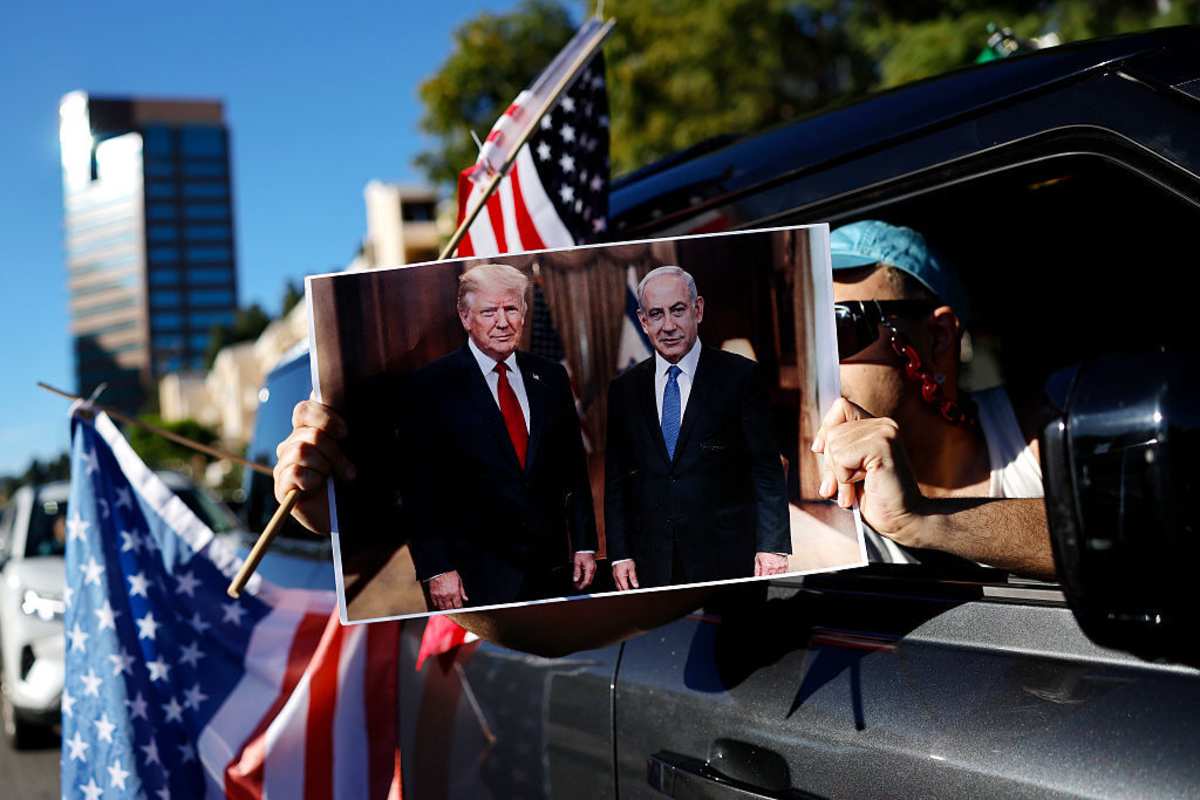
Trump on ending the Iran war with Benjamin Netanyahu
During the interview, Trump said that deciding when the war with Iran ends would be a “mutual” decision made together with Netanyahu. He explained that both leaders have been discussing the issue regularly.
Trump also claimed during the short telephone interview that Iran would have destroyed Israel if he and Netanyahu had not been present to confront the threat, saying, “Iran was going to destroy Israel and everything else around it… We’ve worked together. We’ve destroyed a country that wanted to destroy Israel.”
The US president was then asked whether he would decide alone when the war with Iran ends or if Netanyahu would also play a role in the decision.
“I think it’s mutual… a little bit. We’ve been talking. I’ll make a decision at the right time, but everything’s going to be taken into account,” he said, suggesting that while Netanyahu would have input in the discussions, the final decision would ultimately be his.
When asked whether Israel might continue fighting Iran even if the US decided to stop its strikes, Trump declined to speculate on the possibility, before adding, “I don’t think it’s going to be necessary.”
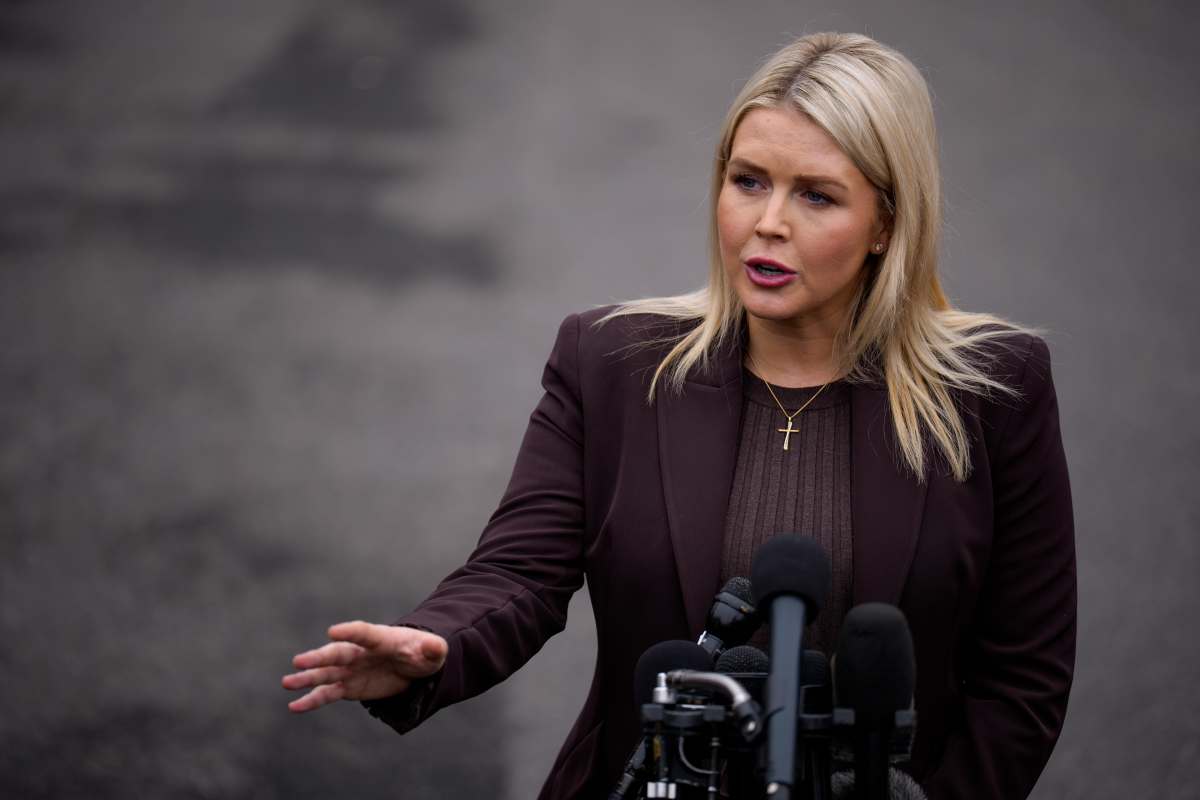
Trump has avoided committing to a specific timeline for the war. However, White House press secretary Karoline Leavitt said on Friday that Washington expects the conflict to continue for about four to six weeks.
Trump warns Iran’s new leader, urges pardon for Netanyahu
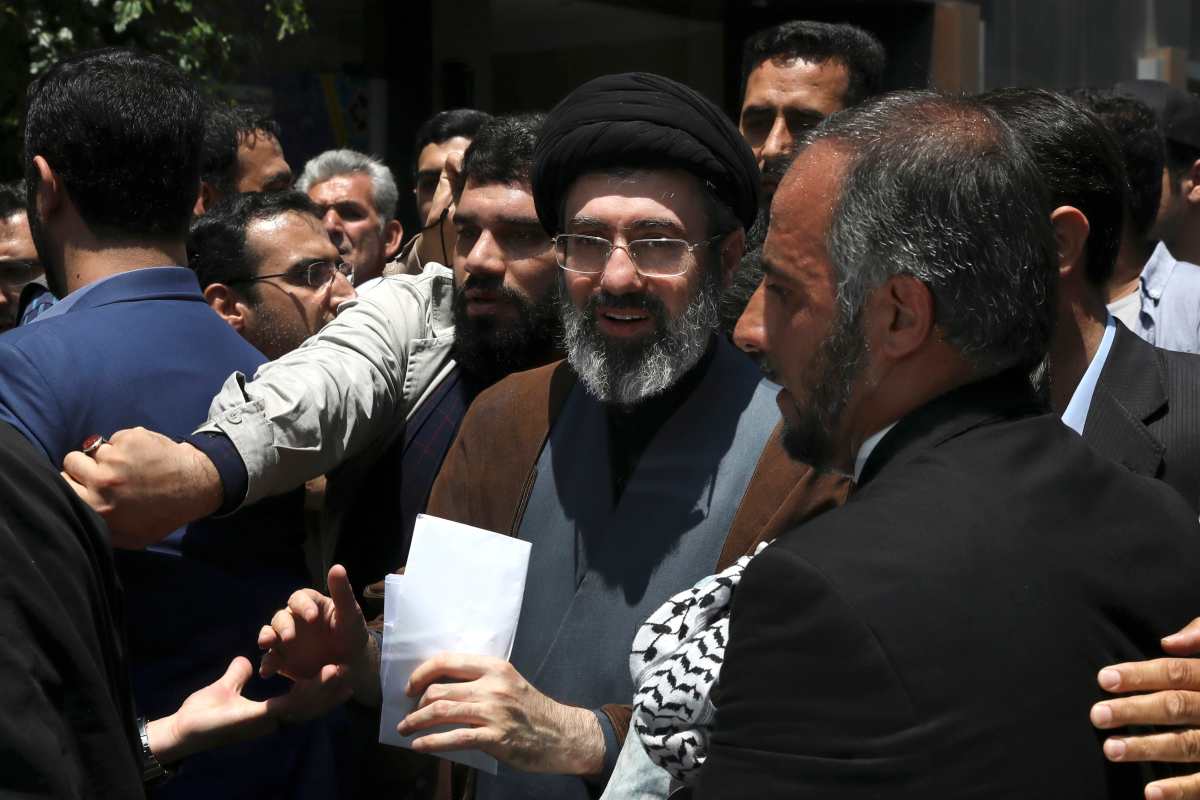
The US and Israel jointly launched the war on February 28 with a strike that killed Iran’s supreme leader Ali Khamenei. Trump gave the phone interview shortly after Iranian state media reported that the Islamic Republic’s Assembly of Experts had selected Khamenei’s son, Mojtaba Khamenei, as the country’s next supreme leader.
Earlier that day, Trump told ABC News that Iran’s new leader would not “last long” if he did not have the approval of the White House. When asked about Mojtaba’s appointment, Trump declined to offer a detailed response, saying only, “We’ll see what happens.”
Trump also drew attention in Israel last week after criticizing Israeli President Isaac Herzog for refusing to heed his request to pardon Netanyahu, who is currently on trial over allegations of bribery, fraud and breach of trust.
(AP Photo/Vahid Salemi, File)
The following day, however, Trump’s ambassador to Israel, Mike Huckabee, with Herzog and praised his leadership. When asked whether this reflected a “good cop–bad cop” strategy aimed at influencing Herzog, Trump avoided giving a direct answer but repeated his criticism of the Israeli president.
“Bibi Netanyahu should be given that pardon immediately. I think [Herzog is] doing a terrible thing by not giving it. We want Bibi to be focused on the war, not on a ridiculous pardon,” Trump said, referring to Netanyahu by his nickname.