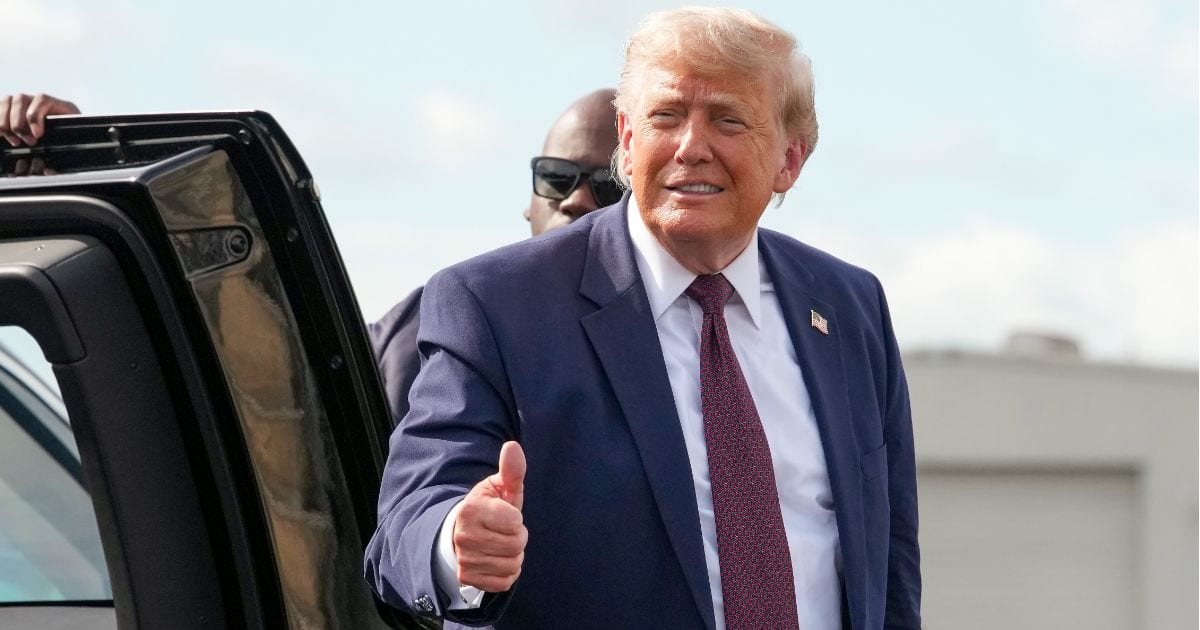
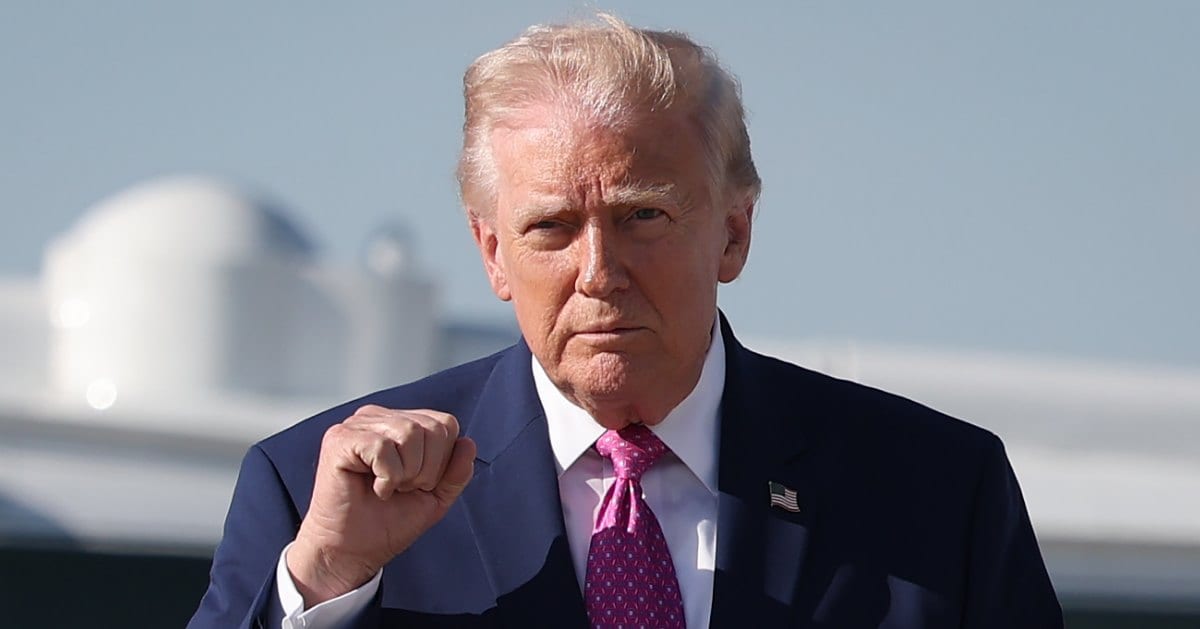
Trump threatens to veto every bill if Democrats take control of Congress
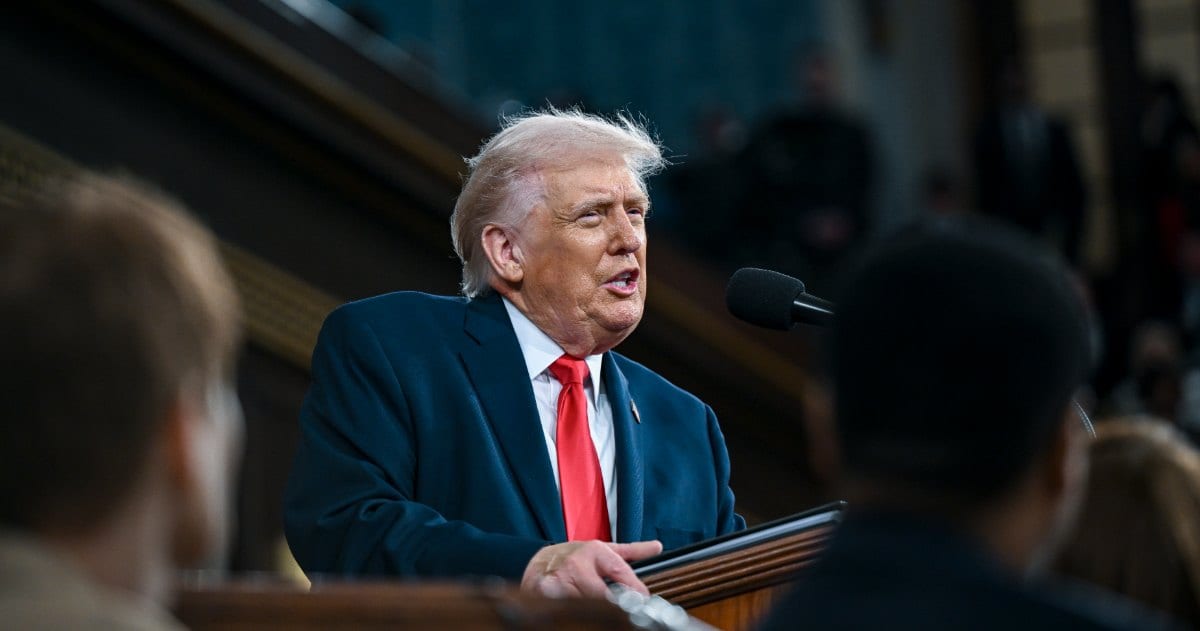
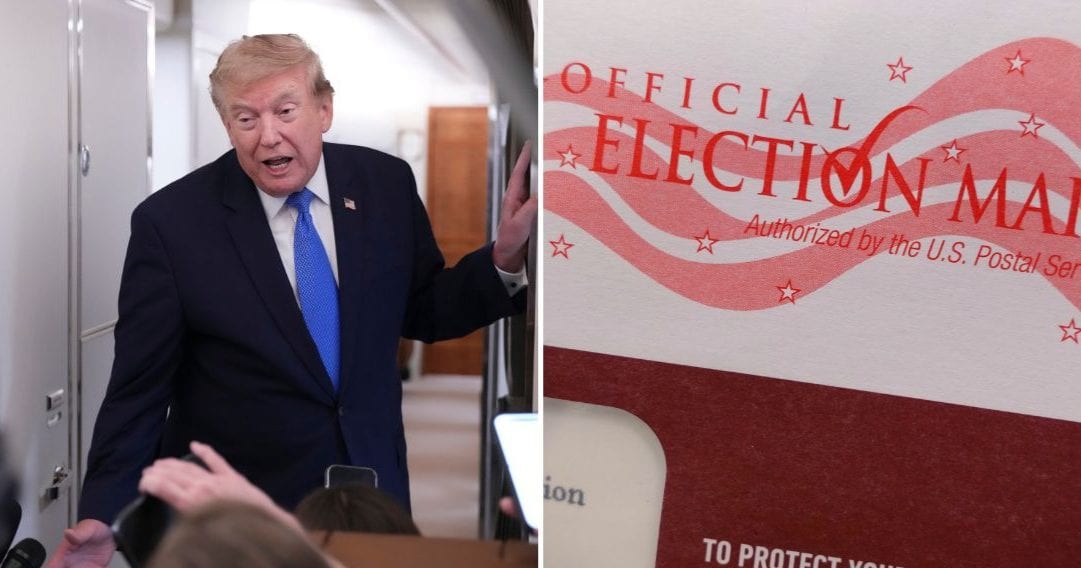
WASHINGTON, DC: Donald Trump promised he would veto every bill passed by a Democratic-controlled Congress if Republicans lost the House and Senate in the November 3 midterm elections. Speaking to reporters on the White House South Lawn on October 23, Trump said he expected Republicans to win but would use his veto authority if Democrats gained control.
Trump framed the strategy as a way to force Democrats to negotiate, arguing that repeated vetoes would push lawmakers to reach agreements. His comments came as Republicans campaigned to retain their congressional majorities, with the election results likely to shape how much of his legislative agenda could advance during the remainder of his term.
Trump outlines veto strategy if Democrats take control of Congress
Trump said he would use his presidential veto authority to block legislation if Democrats took control of Congress, suggesting that the move could push lawmakers toward compromise.
🚨 GREAT NEWS: President Trump says the GOP is about to win the midterms but his veto pen is LOCKED AND LOADED if they don’t "What happens is I veto everything, and then the Democrats come and they want to make a deal… you veto, veto, veto, and then they come and they say, 'How do we get it done?' And you make a deal." Democrats can't override a veto without two-thirds of both chambers, and they're nowhere close! And ICE is full steam ahead regardless of what happens. We need to vote anyway and hold the trifecta He is the great blocker! https://t.co/B60ii6yl2q
— Eric Daugherty (@EricLDaugh) October 23, 2026
“Well, I think the Republicans are going to win. But if there was, you call it gridlock, what happens is I veto everything,” Trump told reporters Friday morning while speaking on the South Lawn.
“And then the Democrats come and they want to make a deal. So we’ll work it out.”
Trump reiterated his position, describing how repeated vetoes could bring lawmakers to the negotiating table.
“So we’ll work it out,” Trump said. “I mean, if you look historically, when you have a situation where that would happen, if it happens, you veto, veto, veto, and then they come and they say, how do we get it done? And you make a deal.”
Trump's first administration was marked by several high-profile clashes with former House Speaker Nancy Pelosi, including the launch of the first impeachment trial against him.
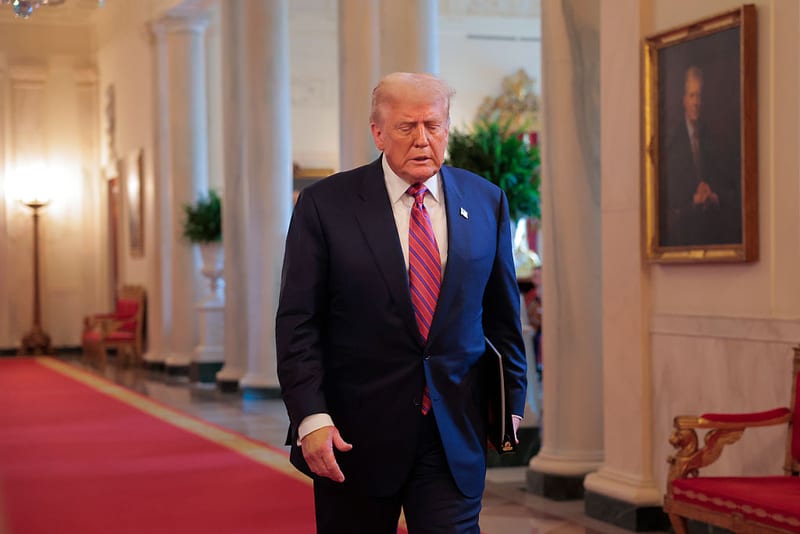
Several election forecasters have updated their predictions in favor of Democrats crossing the 218-seat threshold needed to regain control of the House.
Republicans, meanwhile, are hoping Trump's campaign appearances will help them retain the Senate as Democrats attempt to make gains in traditionally Republican states, including Texas, Iowa, Kansas and Alaska.
The US Constitution allows the president to veto legislation passed by Congress. Lawmakers can override a presidential veto, but doing so requires a two-thirds majority in both the House of Representatives and the Senate. That threshold can make it difficult for a president's opponents to enact legislation over his objections.
Trump presented the veto as more than a way to block legislation, describing it as a bargaining tool that could shape negotiations rather than simply stop bills from advancing.
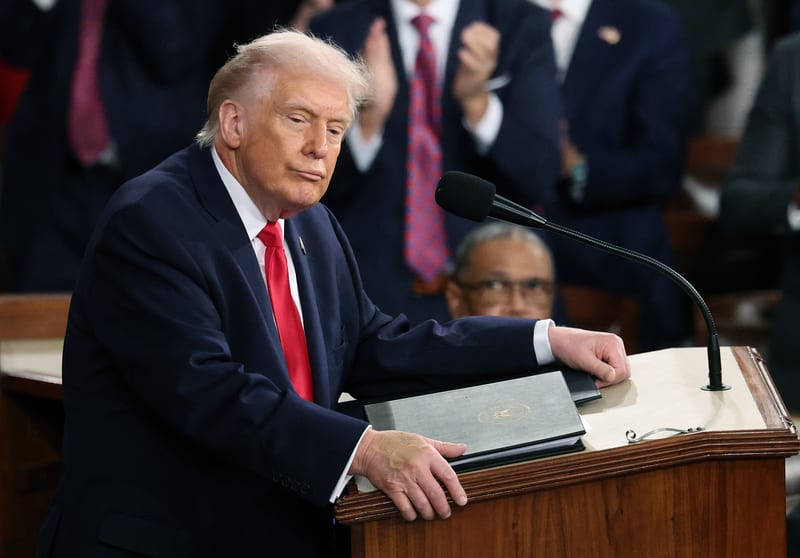
Midterm results could shape Trump's legislative agenda
House Minority Leader Hakeem Jeffries (D-NY), who is widely expected to become the next House speaker if Democrats win control of the chamber, has had an adversarial relationship with Trump. The president previously said he would “probably get along” with Jeffries. The two men met during a September 2025 meeting in the Oval Office.
Democrats have not ruled out impeaching Trump again. Jeffries addressed the possibility last month, saying, “We haven’t ruled anything out when it comes to all of the tools available to us to hold people accountable, and we haven’t ruled anything in.”
Several candidates in battleground races have said they oppose impeaching the president.
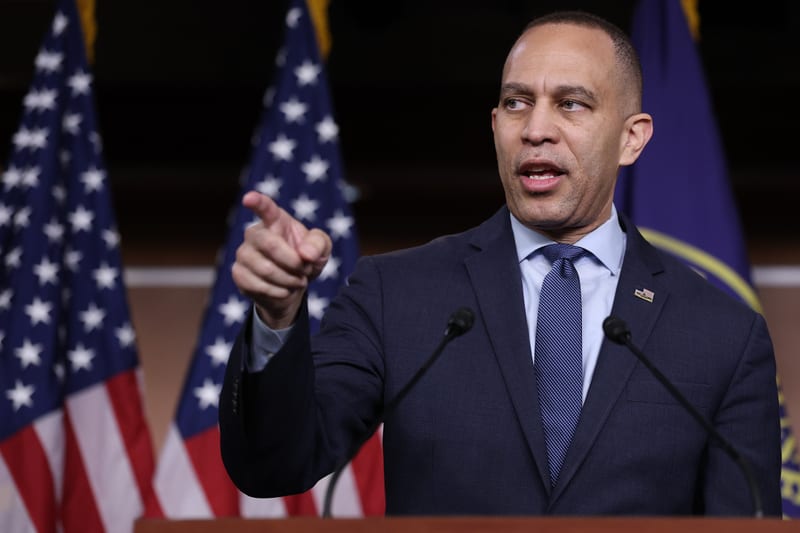
Trump's comments came as he sought to help Republicans retain control of both chambers ahead of the November 3 midterms. If Democrats take over, they would gain greater influence over congressional proceedings, legislation and investigations, potentially making it harder for Trump to advance his priorities.
Even if Trump follows through on his veto threat, a Democratic-controlled Congress could still investigate his administration, hold oversight hearings and scrutinize its actions.
Democrats would also have significant influence over federal spending negotiations, potentially setting up clashes over budgets and government funding.
The midterm results could therefore determine whether Trump faces a Congress more willing to support his agenda or one prepared to challenge his administration on legislation, spending and oversight.