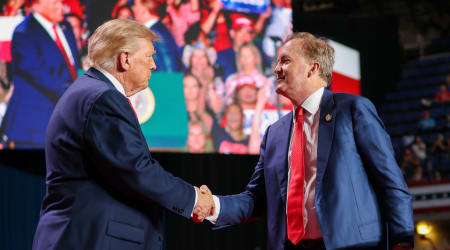
Trump vows to protect Columbus Day from Democrats, accuses El Sayed of wanting to abolish holiday
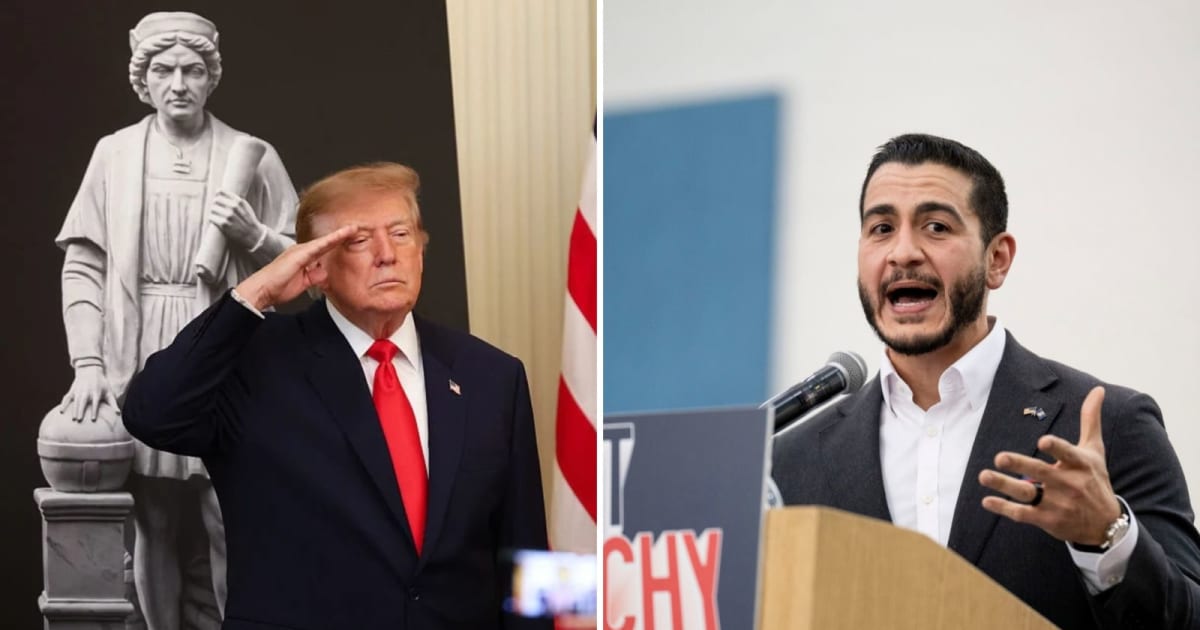
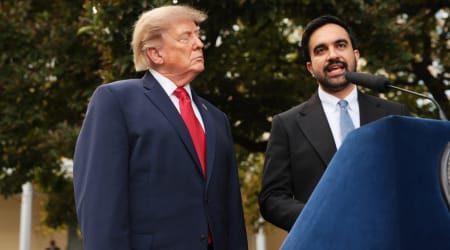
WASHINGTON, DC: Donald Trump stood in the White House East Room on Friday and promised to defend Christopher Columbus’s legacy.
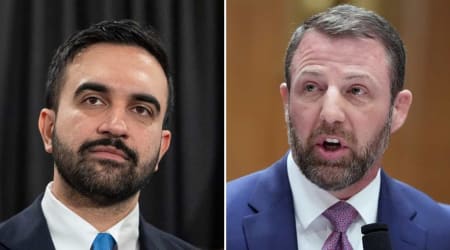
He took aim at the Democrats, especially Abdul El-Sayed, the Senate candidate from Michigan, accusing him of wanting to abolish Columbus Day. Trump made it clear that he planned to protect Columbus and other key figures in American history from efforts to tear down statues or erase them from the nation's memory.
Trump targets Abdul El-Sayed during White House Columbus Day celebration
Trump’s comments came during a Columbus Day celebration in the East Room of the White House.
🚨 NOW: President Trump says he's calling Abdul El Sayed "MOHAMMED Al-Fayed" 🔥🔥 "I call him Mohammed Al-Fayed. Some people call him Abdul. I call him Mohammed. Somebody said, 'Why?' I said, 'I don't know, I feel like it.'" 😂 "But he wants to abolish Columbus Day...can you believe it?" Trump brought Columbus Day back. "Mohammed" wants it GONE NO PATRIOTIC AMERICAN should be voting for this jihadist sympathizer in Michigan. The American patriot in this race is MIKE ROGERS. And Rogers destroyed El-Sayed in the debate last night. Fully exposed in front of thousands FLIP MI RED! https://t.co/Rwlp0BXJBk
— Eric Daugherty (@EricLDaugh) October 9, 2026
“As you know, the radical left communists hate Columbus, and they want to abolish Columbus Day. They’re still trying very hard,” he said.
“You know this guy, I call him Mohammed Al Fayad. Some people call him Abdul. I call him Mohammed. Somebody said, ‘Why?’ I said, ‘I don’t know. I feel like it.’
But he wants to abolish Columbus Day… Can you believe it?” Trump added.
He then singled out El-Sayed, mocking the candidate's name as he accused him of seeking to eliminate the holiday.
Trump did not provide specific evidence to support his accusation at the event. Still, his remarks thrust the Michigan Democrat into a heated debate over Columbus Day, which has sparked discussions about historical monuments, American identity and the legacy of European exploration.
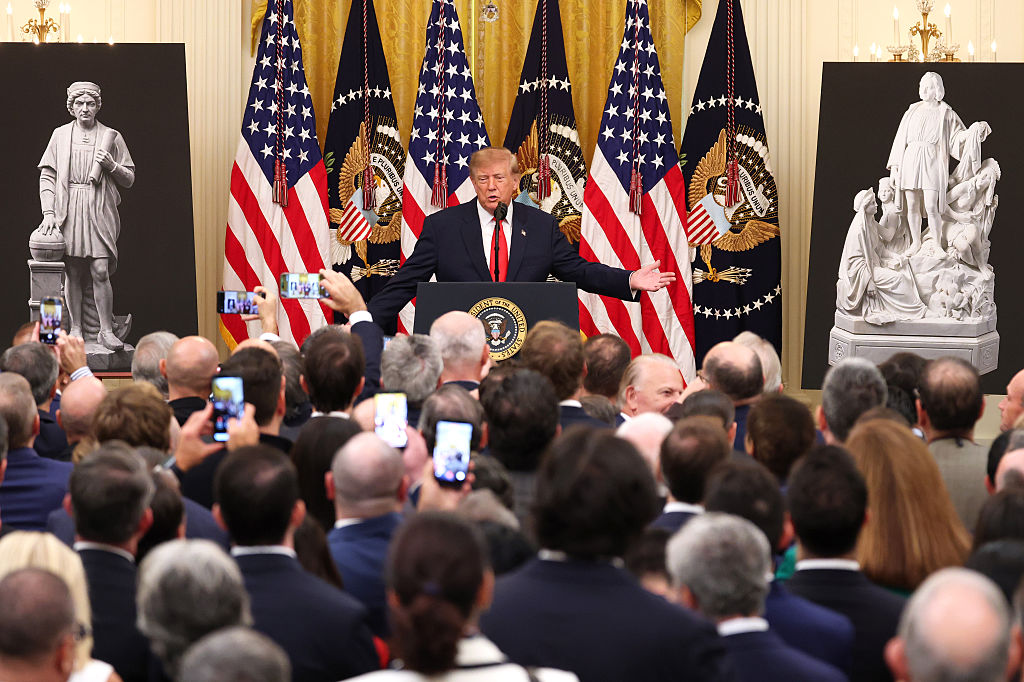
Trump promised to defend Columbus more than ever for as long as he remained president. For him, the controversy boiled down to safeguarding the nation's heritage.
“But I’ll tell you what, we’re going to be here almost two and a half years… He’s going to be so protected, like nobody’s ever been protected before, because they want to tear down the history and heritage that makes us who we are,” he said.
Trump defends Lincoln, Washington and Jefferson monuments
Trump expanded his remarks beyond Columbus, invoking Abraham Lincoln, George Washington and Thomas Jefferson as examples of historical figures whose statues or memorials have faced opposition.
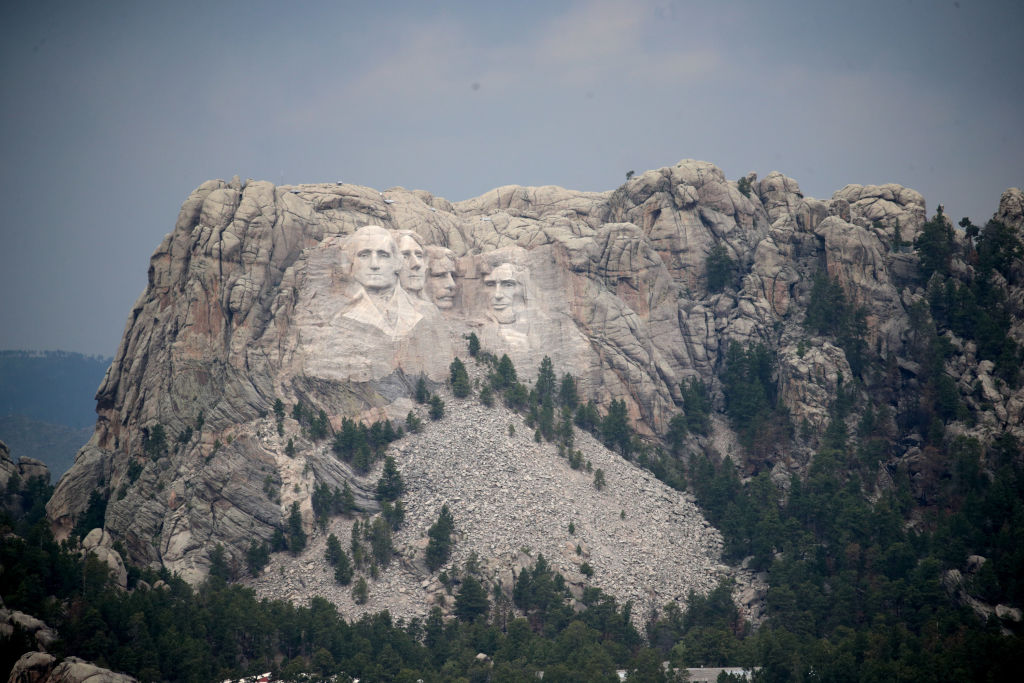
“Not only Columbus. I mean, we had a time when they wanted to rip down the statue of Abraham Lincoln. That was about the end… Now we’ve hit pay dirt, you know… because they thought he was a racist. But he’s the one that freed the country,” Trump said.
“George Washington: they’ve taken the name of George Washington off schools, many schools…But these are different days now. Now we don’t do that anymore,” he added.
“So we protect Lincoln, we protect Washington, we protect Thomas Jefferson. They wanted to rip down Thomas Jefferson’s memorial,” the president continued.
Trump’s comments fit into his larger campaign to protect monuments and uphold traditional representations of American history. During his first term, he called for harsher punishments for people who knocked down statues and often cited a law meant to penalize those who vandalize federal monuments.
Why Columbus Day remains controversial
The debate over Columbus never really cools down. Supporters see him as a symbol of exploration and a prominent figure in Italian American heritage. Critics focus on the harm European colonization brought to Indigenous communities and question whether he deserves to be celebrated.
The disagreement has extended to public monuments and the way American history is represented. Trump's remarks underscored his commitment to defending Columbus and other historical figures as he criticized Democrats over what he described as efforts to erase the nation's history and heritage.