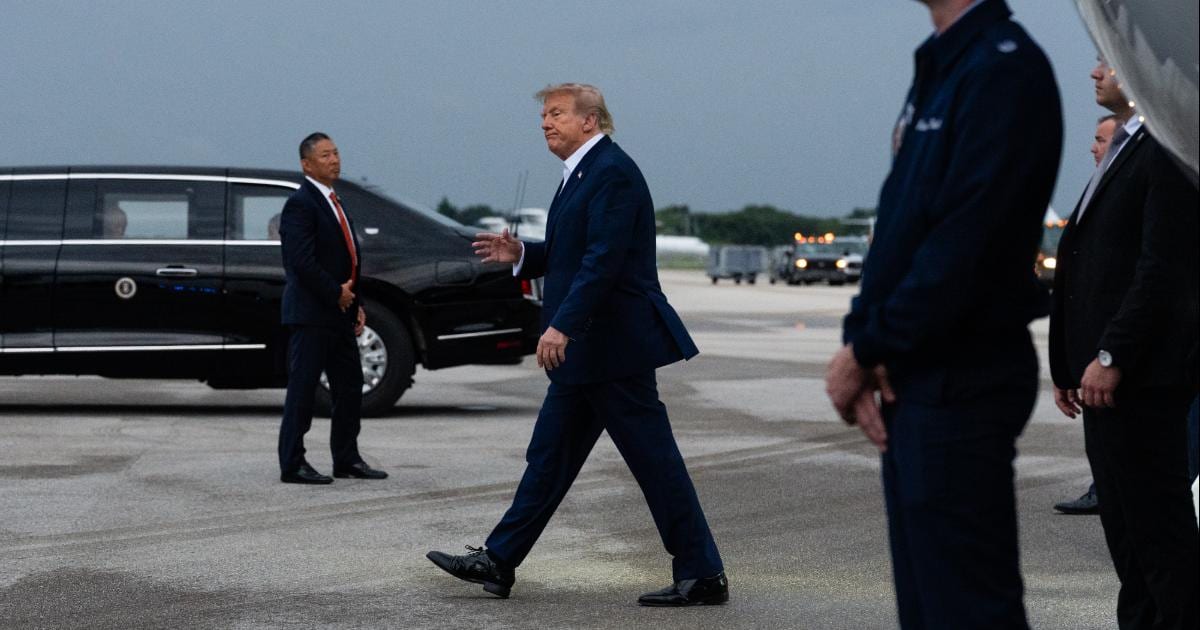
Trump wants new Navy carriers to look like WWII ships with a costly catch
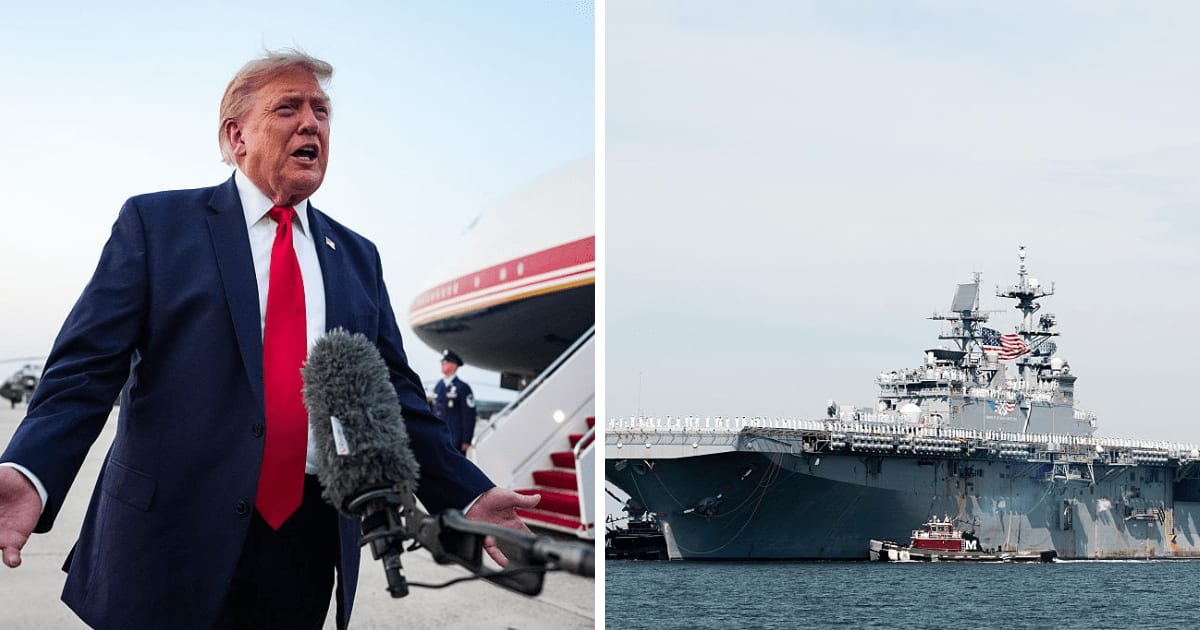
WASHINGTON, DC: President Donald Trump’s push to make future aircraft carriers resemble World War II-era ships is prompting the Navy to revisit a design change officials previously said could cost billions and cause major delays.
The service is evaluating whether to move the carrier’s command center, known as the island, farther forward toward the middle of the ship.
The Washington Post reported the review Saturday, August 15, citing seven current and former US officials familiar with the matter.
Navy is revisiting a costly redesign
The Navy examined moving the island during Trump’s first term, and a former senior US official said a study found the change could cost billions and significantly delay the program, according to the report.
“It came back that the cost and time to do so would just be extraordinary,” the former official said.
The new review involves Ford-class carriers, whose island is positioned near the rear.
Officials said Trump wants future carriers to have an appearance closer to ships that served during World War II.
The timing and scope of the current evaluation remain unclear.
Current and former officials said the Navy was concerned that moving the island would require significant time and money, the report said.
Bryan Clark, a former Navy officer who studies the service at the Hudson Institute, called relocating the island “a major redesign.”
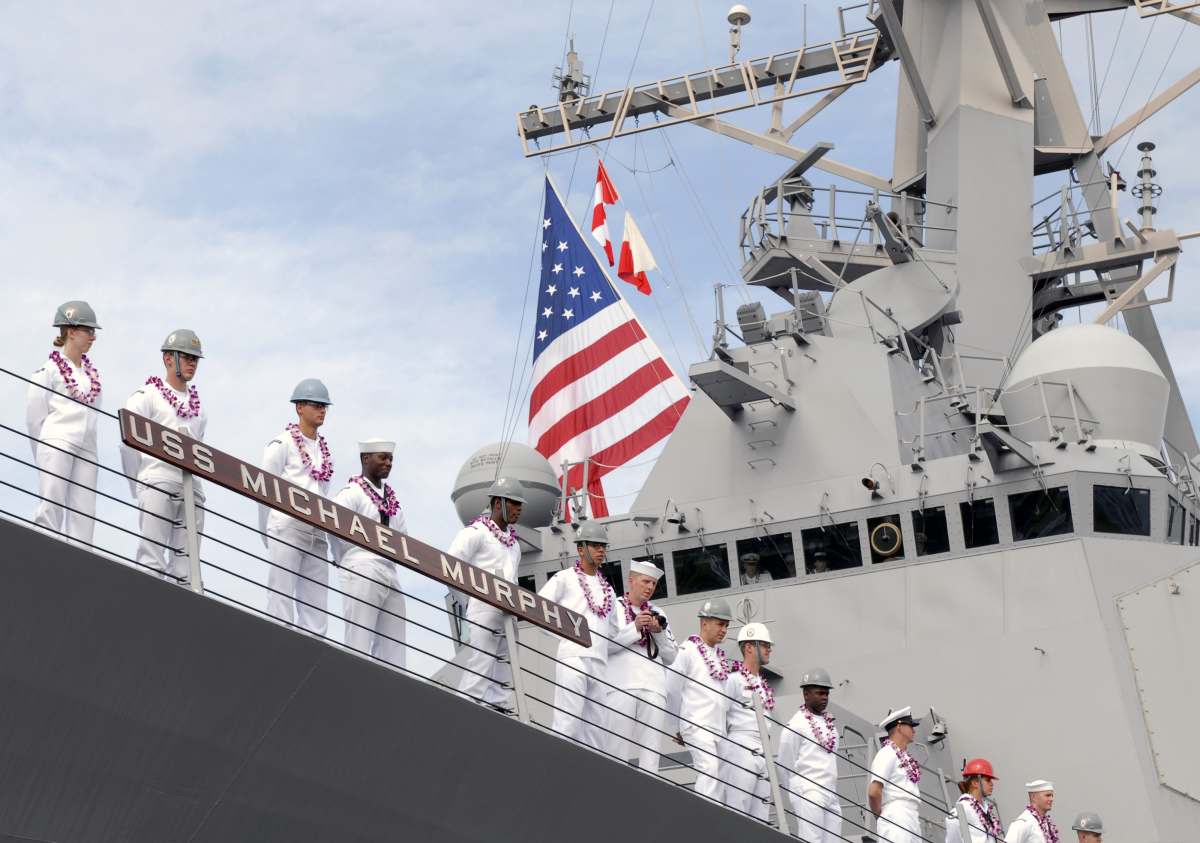
He said changing the carrier’s layout would affect its buoyancy and weight and carry a significant cost.
“You could change it,” Clark said, “but it’s very disruptive.”
Trump is also pushing a catapult change
The island review is the second major design change prompted by Trump, who on Thursday issued a national security memorandum directing the Navy to develop a plan to return future carriers to older steam-powered catapults.
The systems launch aircraft from carrier flight decks.
As per WaPo, the memorandum said the administration favors “proven, reliable and affordable technologies and ship designs,” but it does not address relocating the island.
A US official familiar with both potential changes said the Navy is taking them seriously because of the delays and severe cost overruns they could create.
The Ford-class already incorporates advanced technology that has contributed to delays, according to the Post.
The USS Gerald R Ford, the lead ship, took 17 years to construct, while the Navy has credited its electromagnetic catapult as highly effective.
There are three Ford-class carriers in various stages of development. The USS John F Kennedy is undergoing sea trials, while the USS Enterprise and USS Doris Miller are under construction, the report stated.
Redesign would affect a growing fleet
Plans call for up to 10 Ford-class carriers over the next four decades, with a projected future cost of $22 billion each, according to the Congressional Budget Office and the Navy’s most recent shipbuilding plan.
Three officials told the Post that placing the island toward the rear was intended to improve efficiency and safety.
The layout creates more parking space for aircraft near the catapults and can reduce launch time, while also reducing turbulence during aircraft landings.
Trump has also pursued a broader redesign of the Navy.
Last year, he unveiled plans for a new class of battleships for his “Golden Fleet,” drawing criticism from naval analysts and lawmakers who argued the ships would consume scarce shipbuilding capacity on a design the service does not need.
The Congressional Budget Office later estimated the proposed “Trump Class” battleships would cost about $275 billion over 30 years, or $18 billion per ship after the first one.