Trump's attorney general pick clears major hurdle as confirmation battle moves to full Senate
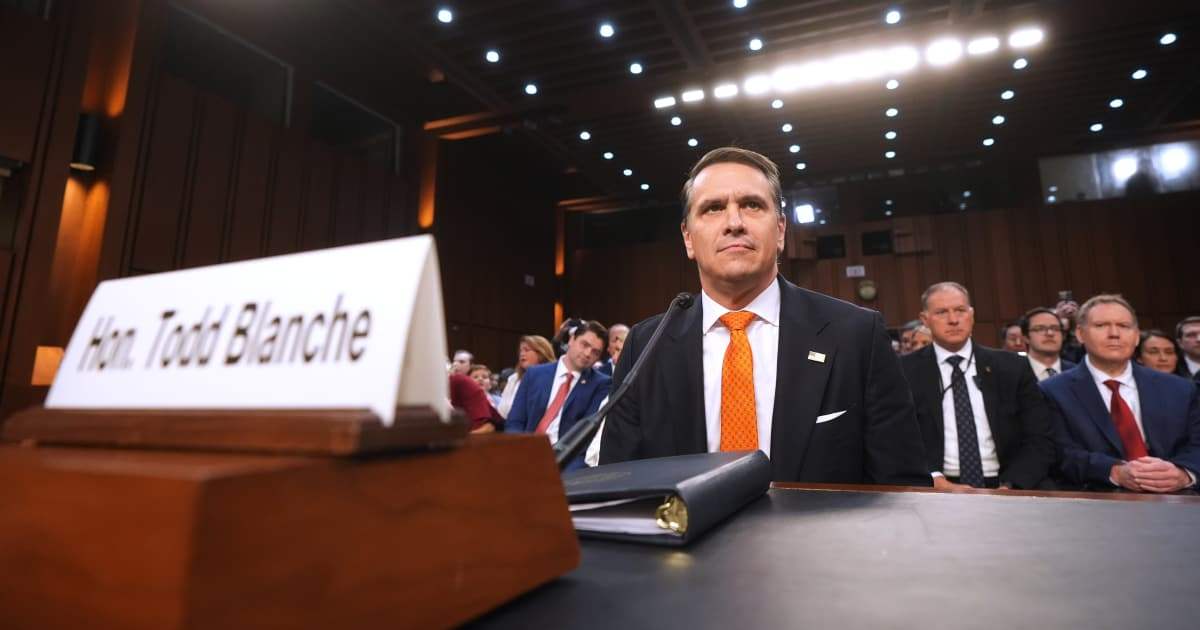
WASHINGTON, DC: President Donald Trump's attorney general nominee, Todd Blanche, moved one decisive step closer to leading the Justice Department on Tuesday, August 4, after clearing the Senate Judiciary Committee.
But Blanche's path to the Senate floor came only after making a significant concession to skeptical Republicans: formally rescinding the administration's controversial $1.8 billion Anti-Weaponization Fund.
While the move secured the support he needed from GOP holdouts, legal experts say the underlying settlement that created the fund still exists, leaving open the possibility that the issue could resurface in the future.
Republicans demanded written guarantees
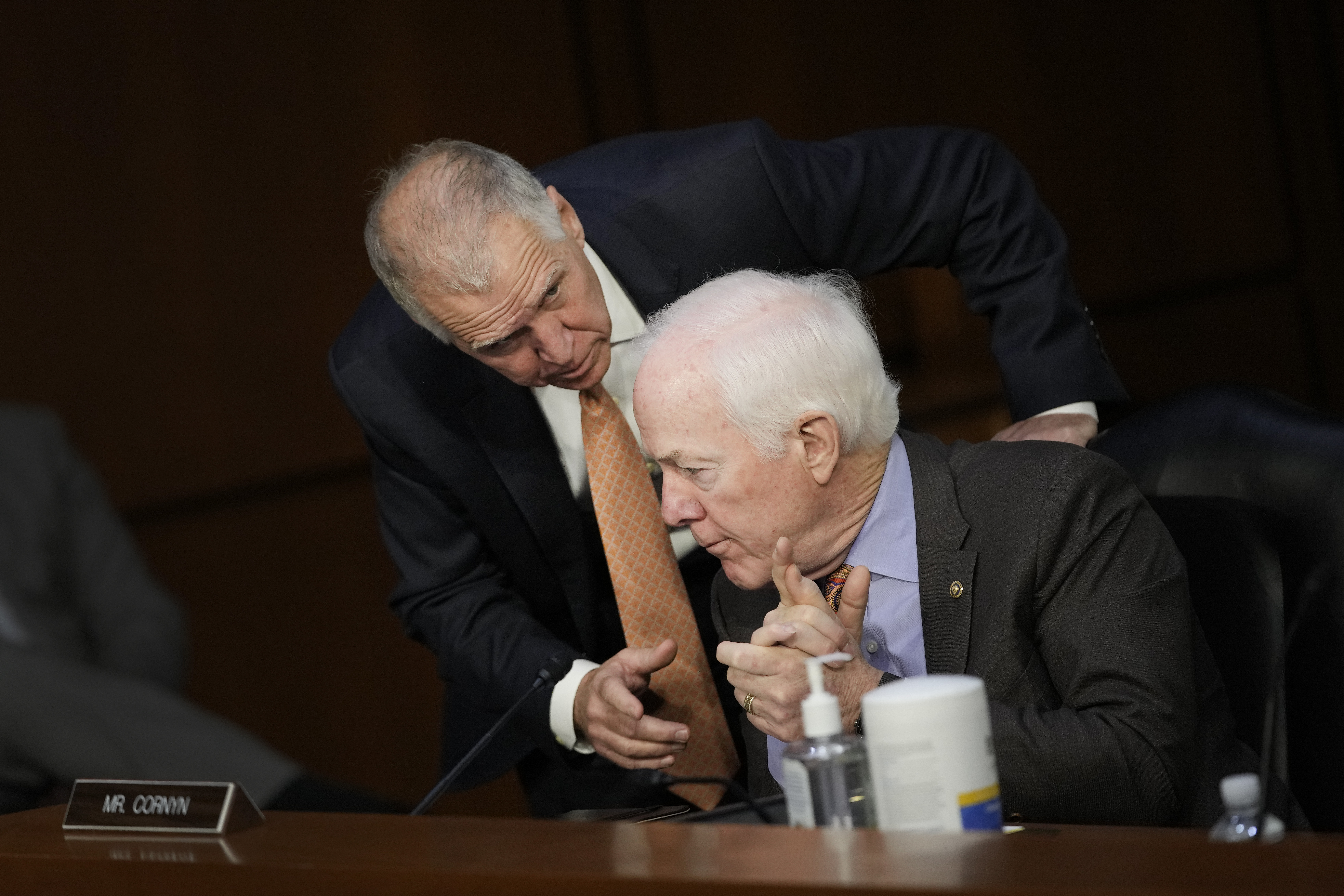
Blanche's nomination had been in jeopardy after Republican Sens. John Cornyn of Texas and Thom Tillis of North Carolina refused to advance him without binding assurances that the Anti-Weaponization Fund had been permanently abandoned.
The fund, created as part of a settlement resolving Trump's lawsuit against the Internal Revenue Service over leaked tax records, drew bipartisan criticism. Opponents argued it could become a taxpayer-funded compensation program for people claiming they had been unfairly targeted by the federal government.
To secure the votes necessary to advance his nomination, Blanche signed a written order rescinding the fund and separately clarified that protections relating to IRS audits applied only to the plaintiffs named in the original settlement, not to a broader universe of Trump associates.
Both Cornyn and Tillis said those written commitments addressed their concerns, allowing Blanche's nomination to move forward on a party-line vote.
Committee victory shifts battle
The committee vote sends Blanche's nomination to the full Senate, where Republicans are expected to have the numbers needed to confirm one of Trump's closest legal allies.
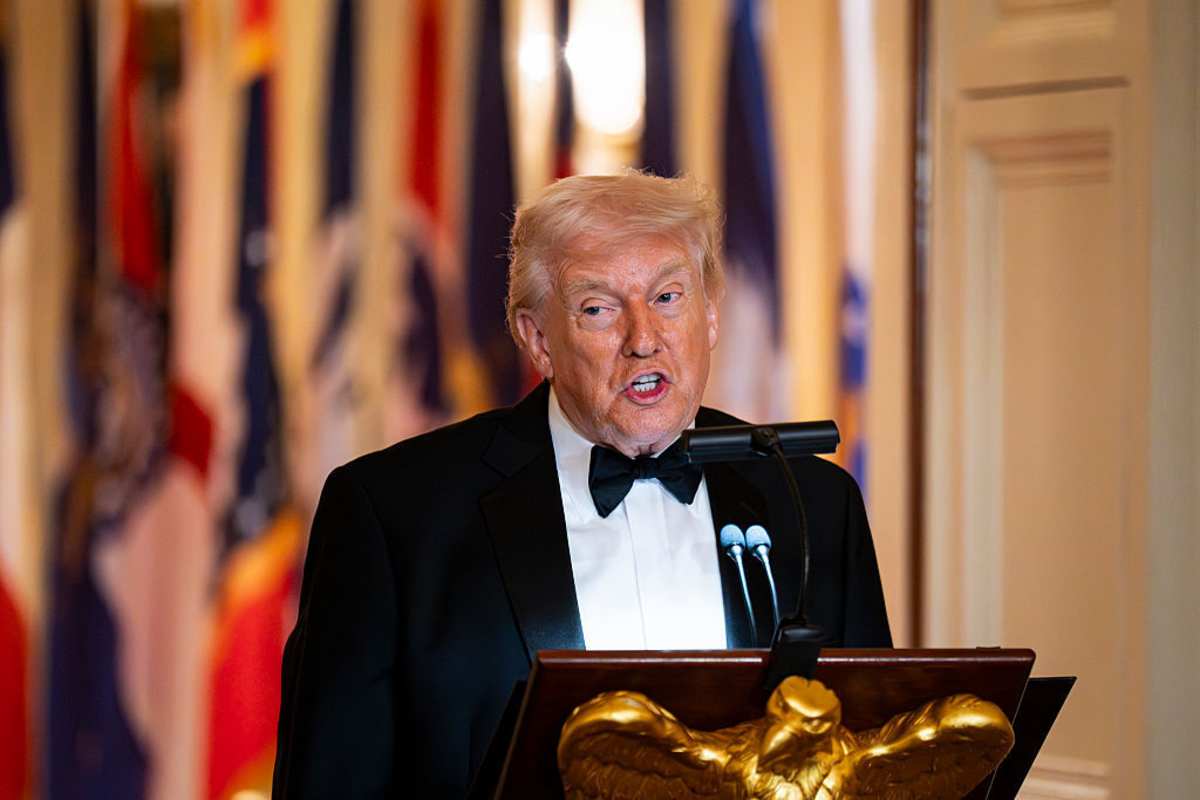
Blanche, who previously served as Trump's personal defense attorney, would become the nation's top law enforcement official if confirmed. Democrats have questioned whether his close relationship with the president could undermine the Justice Department's traditional independence, while Republicans have largely rallied behind his nomination after the fund controversy was resolved.
For the White House, Tuesday's vote represents the biggest confirmation milestone yet in Blanche's path to becoming attorney general.
Legal questions still remain
Although Blanche formally rescinded the Anti-Weaponization Fund, experts caution that the broader legal controversy has not necessarily ended.
The original settlement agreement that referenced the fund remains in place, meaning future litigation could test whether its provisions remain enforceable. Some legal observers have suggested that Trump or a future Justice Department could attempt to revisit the arrangement under different circumstances.
Trump himself added to that uncertainty over the weekend when he suggested that, if Blanche's confirmation failed, he could keep him in an acting role while asking Congress to authorize the fund through separate legislation.
With Blanche now headed to the Senate floor, the immediate political obstacle has largely been cleared. But the debate that nearly derailed his nomination, over the scope of executive authority, the Justice Department's independence and the fate of the abandoned fund, appears unlikely to disappear even if he ultimately wins confirmation.