Trump's FBI is using a new tactic to hunt for voter fraud, and it could reach 43 states
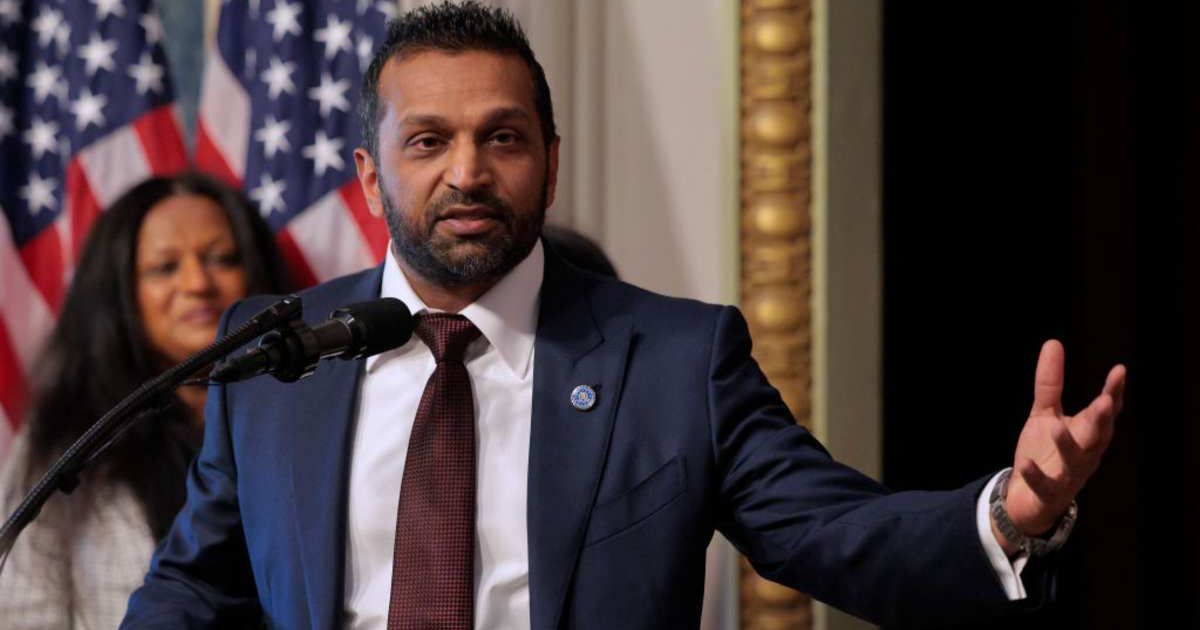
WASHINGTON, DC: President Donald Trump's FBI is testing an unusual digital approach in its widening investigation of alleged voter fraud, obtaining information that could help investigators determine where an online voter registration originated.
The bureau recently secured the IP address connected to a South Carolina voter's registration, according to documents first obtained by Axios.
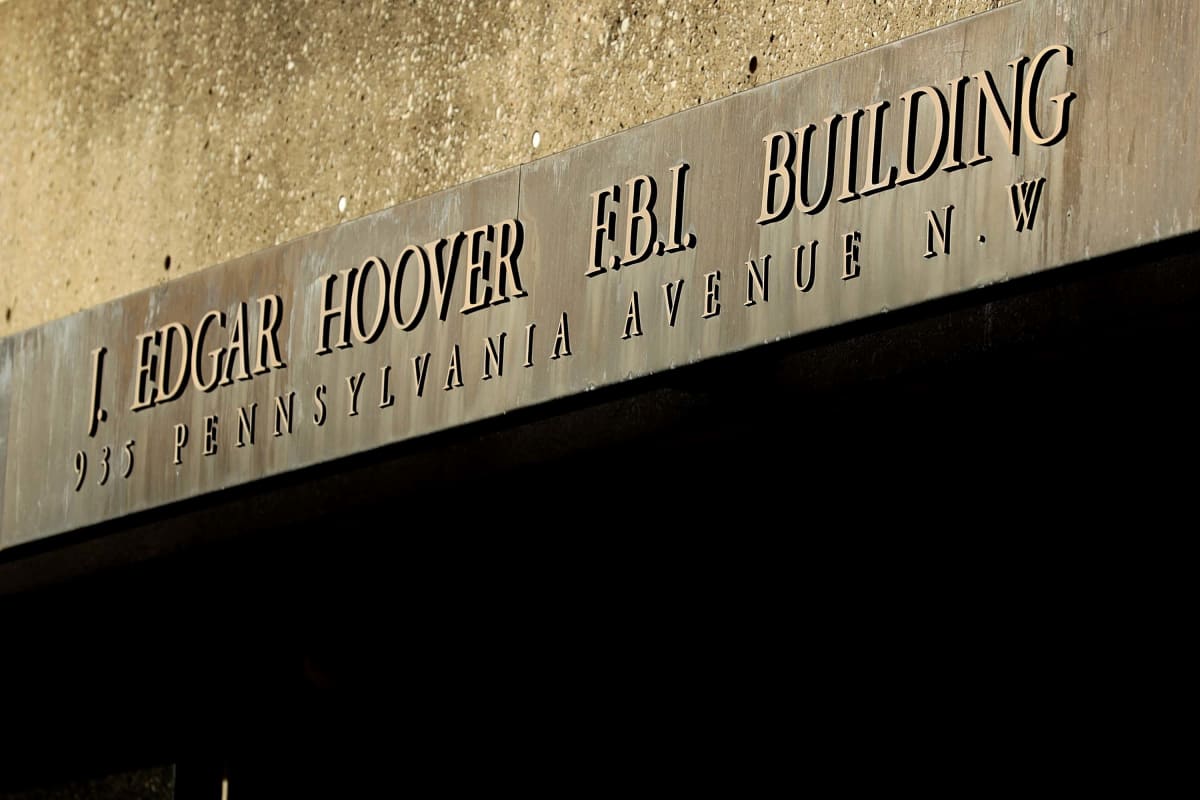
While the request concerned an individual voter, its potential reach is far broader: 43 states currently offer some form of online voter registration, making the South Carolina case a possible blueprint for investigations elsewhere.
It comes as federal agencies intensify scrutiny of voter rolls ahead of the November midterms.
FBI digs into digital footprints
Emails obtained through a public-records request by Democracy Forward show an FBI agent in South Carolina asked state and local election officials for the IP address tied to an online registration in March.
Officials complied with the request, and another exchange under the subject line "Voter Investigation" showed the FBI receiving the voter's digital information in June, Axios reported.

An IP address does not automatically reveal a person's identity or exact physical location. However, it can provide information about an internet connection's approximate geographic origin and service provider.
That could potentially help investigators determine whether someone submitted an online voter registration from outside South Carolina, or even outside the United States.
How extensively the FBI intends to employ the tactic remains unclear. The bureau did not respond to Axios' requests for comment.
Election official calls request unusual
The FBI's approach appears far from routine.
York County election official Alan Helms told Axios that in nearly 20 years working in elections, he had never previously experienced such an interaction with law enforcement. His office nevertheless complied because the request was permitted under law.
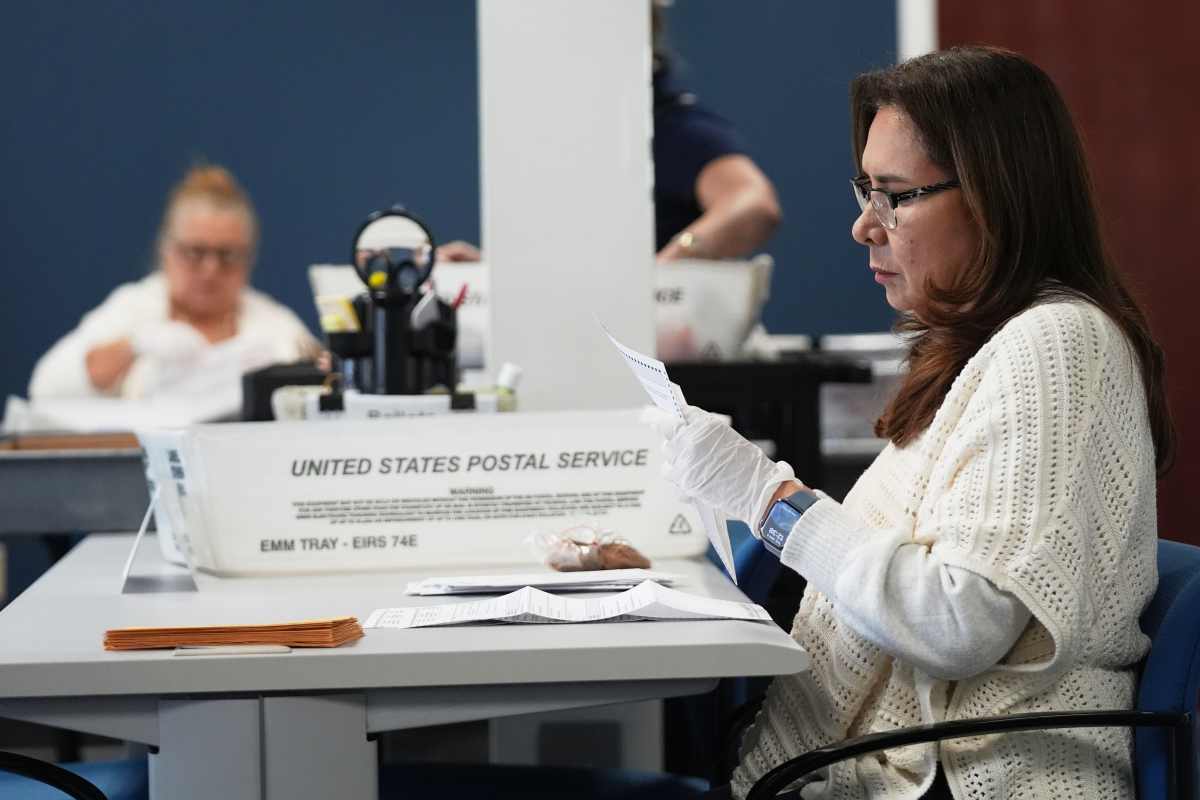
Critics are raising privacy and federal-overreach concerns. A former senior Justice Department official characterized unsolicited FBI requests for private voter information as atypical and questioned whether investigators were conducting an overly broad search.
The development comes amid a much larger Trump administration campaign targeting potential problems in voter-registration systems.
Immigration and Customs Enforcement has sought voter information in Texas and North Carolina, while the Justice Department has pursued voter-roll data from numerous states through litigation.
New Jersey case raises stakes
The push has gained new political significance following a major registration failure in New Jersey.
Democratic Gov Mikie Sherrill disclosed this month that approximately 6,600 people who identified themselves as noncitizens were nevertheless registered to vote between June 2023 and June 2024 because of what she described as a Motor Vehicle Commission software error.
A preliminary analysis found fewer than 400 subsequently cast ballots.
Sherrill ordered an investigation and the removal of erroneous registrations, while stressing that the affected people had indicated they were not citizens.
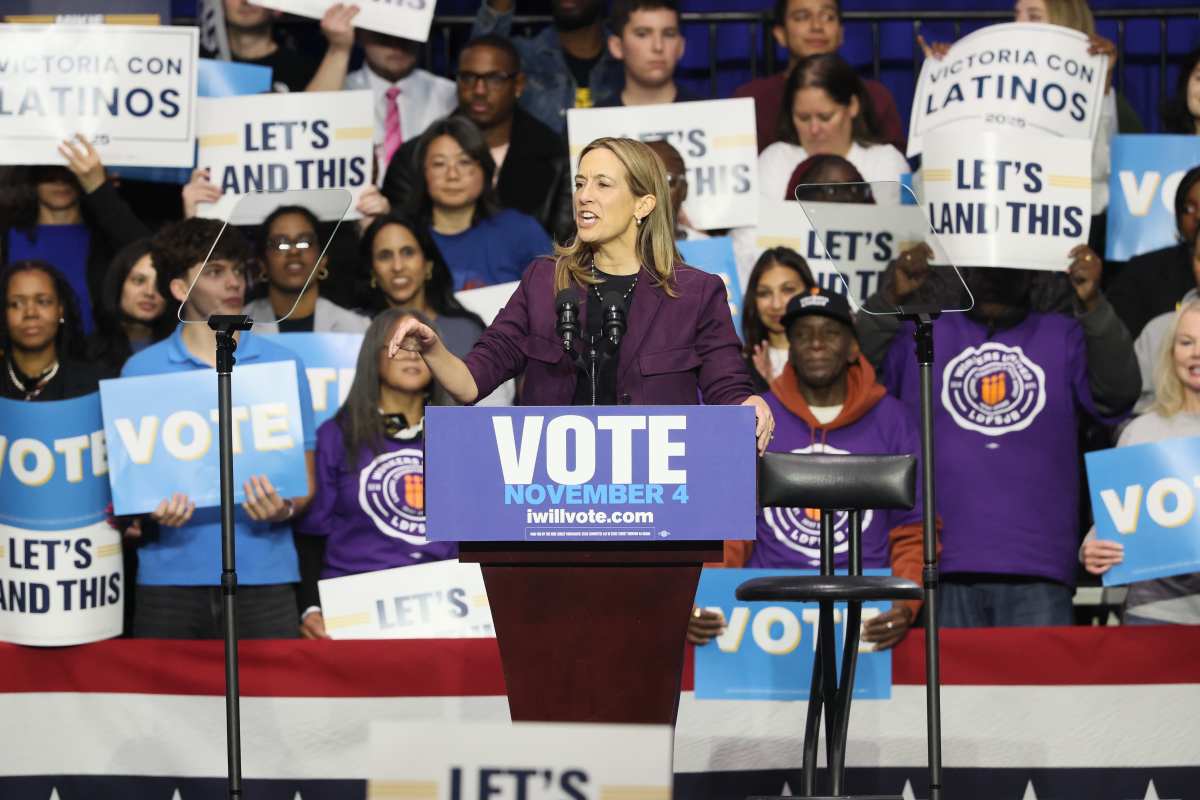
The Trump administration has pointed to the episode while pressing states for greater access to voter data, though federal courts have repeatedly rejected some of DOJ's sweeping demands for unredacted voter rolls.
South Carolina's case now reveals another route investigators are exploring.
Rather than examining only names and eligibility records after registration, federal authorities are looking at the digital trail left when the registration itself was submitted, a method with potential relevance far beyond a single voter or state.