Trump’s hush money conviction faces new challenge as appeals court questions presidential immunity
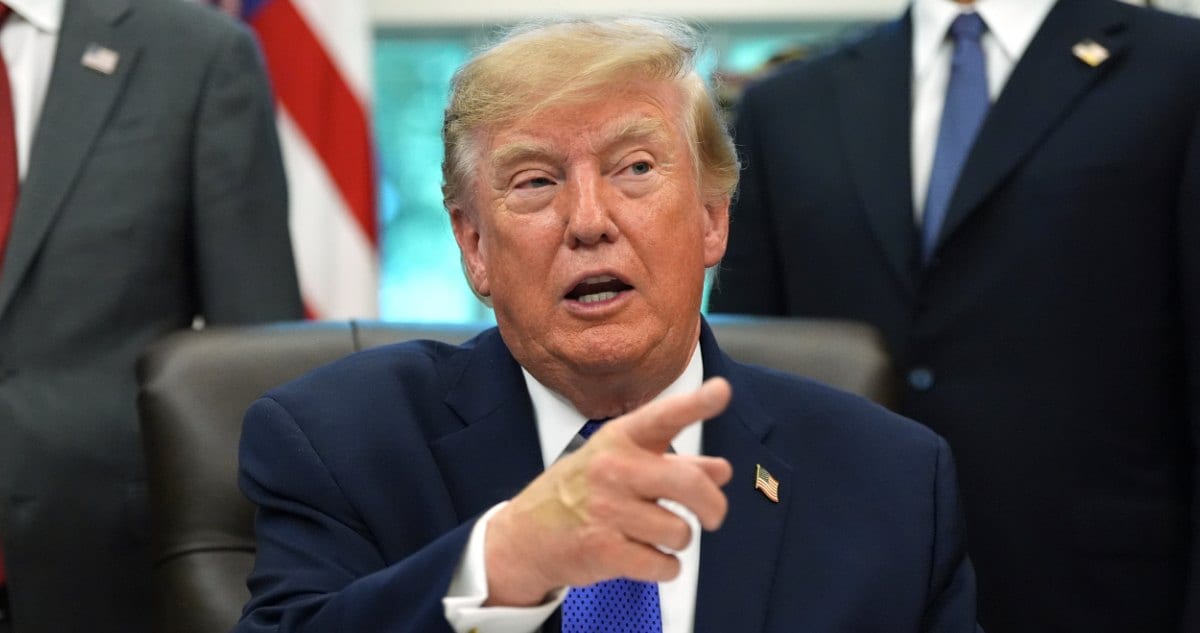
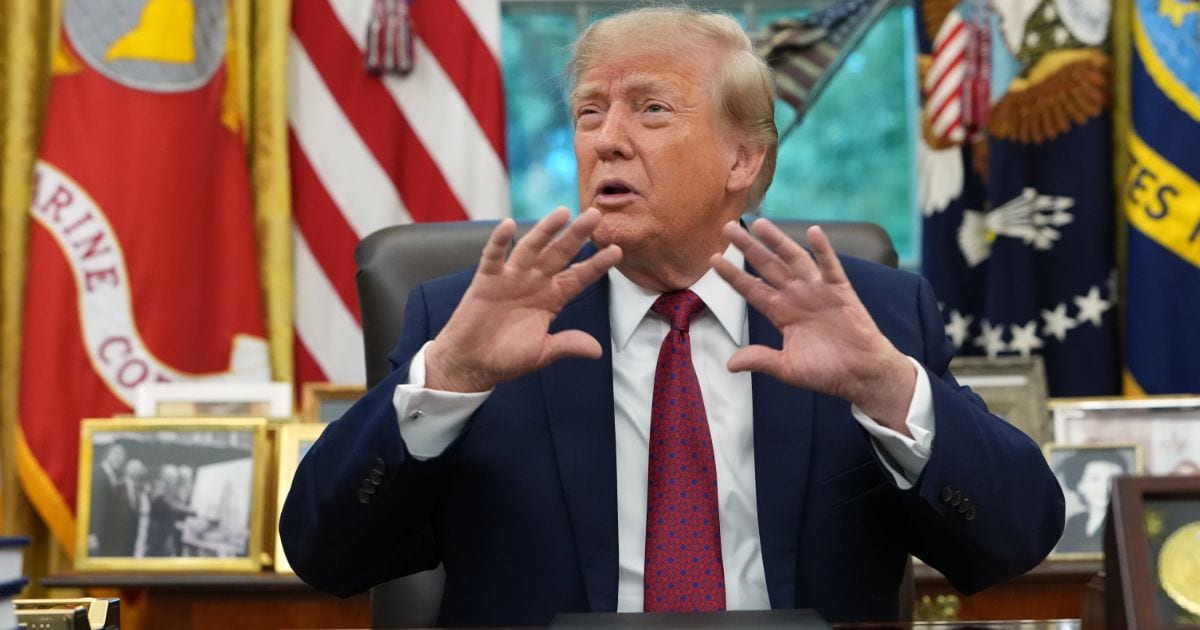
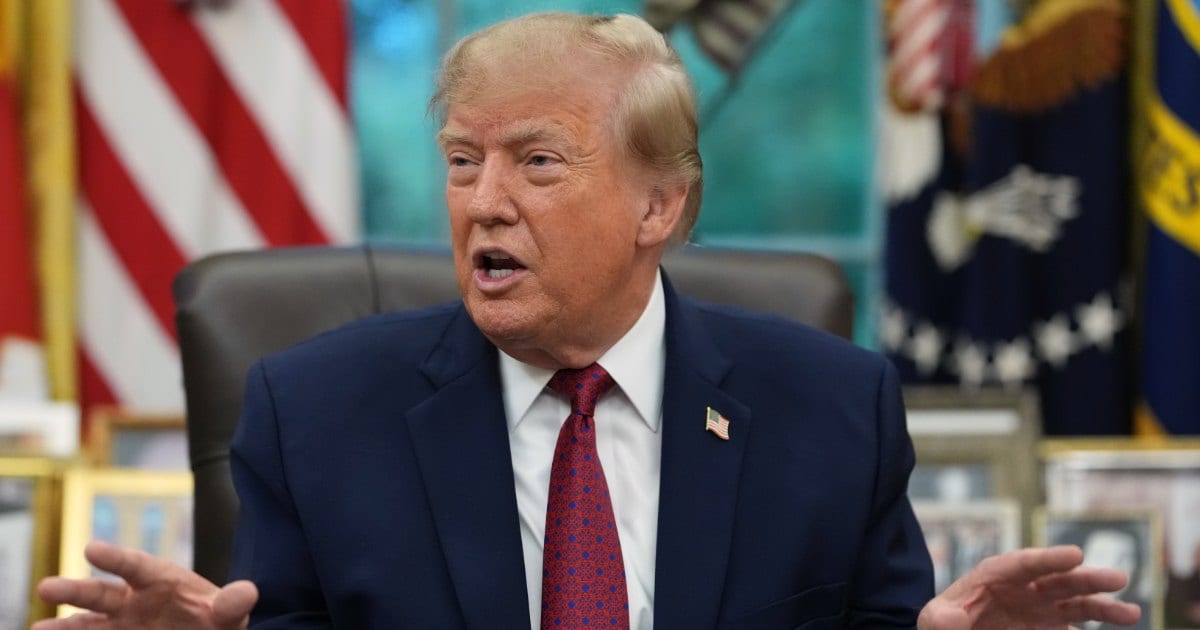
WASHINGTON, DC: A New York appeals court panel questioned whether President Donald Trump’s criminal conviction in the hush money case could stand following the Supreme Court’s landmark ruling on presidential immunity.
During arguments on November 5, the judges examined whether certain evidence, including Trump’s social media posts and testimony about his actions in the White House, should be considered official acts and therefore protected by presidential immunity.
Trump is seeking to overturn his conviction on 34 counts of falsifying business records, all related to the $130,000 payment made to Stormy Daniels shortly before the 2016 election.
His legal team insists that prosecutors crossed the line by presenting evidence from his presidency. They also argue that federal campaign finance law should take precedence in the case.
Meanwhile, the Manhattan District Attorney’s Office maintains that the trial followed the law and that, even if mistakes were made, they did not affect the verdict.
Trump hush money conviction faces fresh presidential immunity challenge
During Thursday, November 5, hearing, Associate Justice Martin Shulman questioned whether Trump's public statements while serving as president fell within the protections outlined by the Supreme Court.
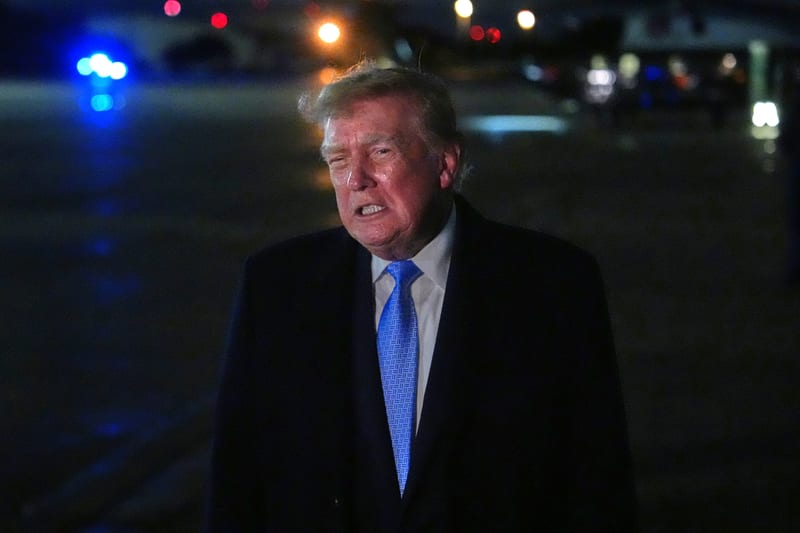
“Isn’t this public messaging by a sitting president, and it involves presidential communicative authority, and therefore it is directed at shaping public perception?” Associate Justice Martin Shulman asked.
“Wouldn’t that be or fit within the outer perimeter that the Supreme Court was talking about here, and therefore would have barred this stuff from coming in?”
Trump’s lawyers argue that the jury should have been prevented from considering several key pieces of evidence, including his online posts, call logs from when he was president, a 2018 government ethics form, and testimony from Hope Hicks.
They have particularly focused on Hicks's testimony.
She told the court that Trump admitted it “would have been bad” if the Daniels story had emerged before the 2016 election.
That statement played a significant role in the prosecution's closing argument, where it was used to establish Trump’s intent.
Trump argues federal campaign finance law bars hush money prosecution
Trump’s legal team is not relying solely on presidential immunity. They also argue that the Federal Election Campaign Act (FECA), which governs campaign finance, effectively bars the prosecution.
Under New York law, falsifying business records is generally a misdemeanor.
However, prosecutors elevated the charges to felonies, arguing that Trump falsified the records to conceal a scheme involving unreported campaign contributions.
During the hearing, Trump's attorney Robert Giuffra challenged the prosecution, pointing out that no local prosecutor had previously brought a similar case against a federal candidate.
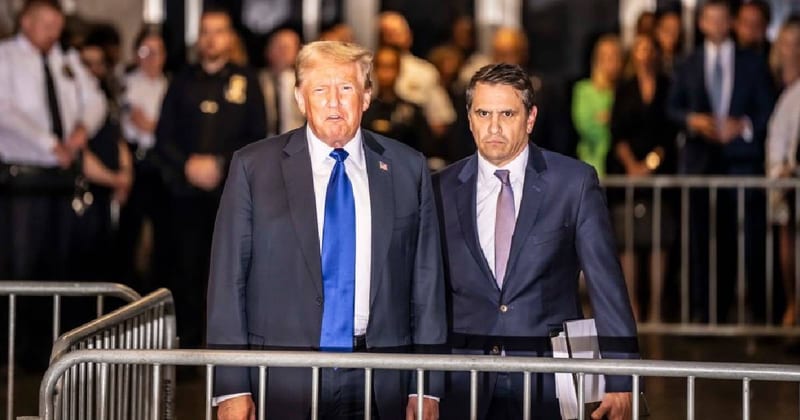
“There’s never been a case where a local district attorney, there’s 2,300 of them in the United States, has ever prosecuted a candidate, a federal candidate, much less a presidential candidate, for a violation, effectively, of FECA,” said Robert Giuffra, Trump's attorney and a partner at Sullivan & Cromwell.
Trump did not receive any jail time following his conviction, but he made history as the first US president, whether former or sitting, to become a convicted felon.
He is now fighting to overturn the verdict and clear his name.
He is also pursuing multiple legal avenues. In addition to appealing the conviction, Trump is seeking to move the case to federal court to press his presidential immunity argument.
So far, that effort has been unsuccessful, but the latest rejection is expected to be considered by a federal appeals court later this month.